Nutrient homeostasis- glucose sensing.
Nutrient source:
• Glucose is main short-term energy source.
• Brain: uses ~5g/h of glucose: brain uses ketones during starvation.
• Other organs/tissues are generally more flexible and can modulate and adapt
between CHO and fat according to supply and demand
• Routes of storage
o Glycogenesis Glucose to Glycogen
o Lipogenesis Fatty acids and glucose to Triglyceride
• Routes of mobilization
o Glycogenolysis Glycogen to Glucose
o Lipolysis Triglyceride to Fatty acids
o Gluconeogenesis* Protein and lactate to Glucose
• Glucose can be readily metabolised, to liberate precursors or generate ATP.
• and it can also be readily stored.
• The brain is an obligatory user of glucose which means the brain can only metabolise
glucose to large extents.
• The brain cannot store the glucose as glycogen, you cannot have glycogen stores in
your brain.
• So it needs a constant supply of glucose.
• Therefore if you start to feel hungry and therefore you’re blood sugar levels start to
decrease, you will start to feel light headed.
• This is because brain activity is significantly decreasing.
• The brain uses ketones during starvation.
• If you deplete youre body of carbohydrates your body moves to a system where it
tries to burn as much fat as it can.
• Positive- you lose weight really quickly.
• Negatives- you cannot keep up with this lifestyle. It is also very taxing to the body.
• Additionally a by product of adipose tissue is a ketone body.
• Ketones in large concentrations are acidic.
• So people with diabetes, or uncontrolled diabetes suffer from ketoacidosis.
• Glucose is a short term energy source
• It provides a lot of ATP and your brain is dependant on it.
• “lysis” breaking down
• Glycogenolysis- breaking down glycogen into glucose.
• Lipolysis- breaking down triglyceride into fatty acid
• Gluconeogenesis- building glucose from protein and lactate
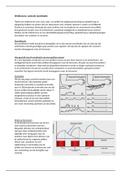
Nutrient homeostasis: day profiles
• Key to nutrient homeostasis is your daily profile of your particular nutrients as well.
• Concentration of glucose varies throughout the day.
• This will be dependant on when you eat and when you fast.
• Plasma glucose levels are low prior to having breakfast, this is because you are
sleeping and have not eaten anything.
• After breakfast the glucose levels have increased, this is because breakfast tends to
have carbohydrates.
, • Then the glucose levels slowly decrease again.
• As this is happening insulin levels increase, and plasma glucose decreases.
• This is because if you have more insulin in the system, it is going to be locking that
glucose away as glycogen.
• After dinner, plasma insulin has a massive spike, this is because dinner is a big meal.
• As the insulin level goes up the glucose level goes down, this is because all that
glucose is being packaged into glycogen.
• When you go to sleep, you can see insulin activity drop off, because you are not
eating anything therefore you have no need to store nutrients.
• At the same time glucose levels dip as well because there is no food coming in.
• But then plasma free fatty acids slowly starts to increase.
• This is because when you are sleeping at night your organs are still functioning but at
a steadier rate.
• But they still need some sort of energy so you are breaking down fats, liberating free
fatty acids, going through beta oxidation to generate ATP
Glucose transport and sensing.
• How do you sense glucose levels?
• Glucose does not have a circulatory sensor.
• Therefore what we need are glucose channels which can transport the glucose out of
their respective locations and once the glucose can get into the blood it can travel
around the body and let people know how much is available.
• Most commonly, these channels are GLUT 2 channels.
• These channels allow glucose to exit a particular tissue/organ ect.
• GLUT 4 channels can also be found, but these are primarily found in adipose tissues
and striated muscles, such as skeletal muscle and cardiac.
• There is another glucose transporter known as the SGLT 2 transporter.
• This is present in the kidneys.
• And it moves sodium and glucose from the filterate, this is the stuff that is ready to
be excreted out the urine.
• With the presence of ATP it brings that glucose back into the interstitial fluid and
then it is internalised back into the blood.
• SGLT 2 transporter allows your body to reabsorb glucose from the urine and back
into the interstitial fluid and back into the blood.
• It is a mechanism of increasing you’re blood glucose.
• SGLT2 inhibitors
• These inhibitors prevent this process.
• As a diabeteic, if you’re blood glucose levels are high the last thing you would want is
more glucose coming into the blood.
• The drugs block this particular receptor and you excrete more glucose out in the
urine.
Glucokinase
• Glucokinase (GK) facilitates phosphorylation of glucose to glucose-6-phosphate.
• Glucokinase is found in cells in the liver and pancreas .
• In plays an important role in the regulation of carbohydrate metabolism by acting
as a glucose sensor.
Nutrient source:
• Glucose is main short-term energy source.
• Brain: uses ~5g/h of glucose: brain uses ketones during starvation.
• Other organs/tissues are generally more flexible and can modulate and adapt
between CHO and fat according to supply and demand
• Routes of storage
o Glycogenesis Glucose to Glycogen
o Lipogenesis Fatty acids and glucose to Triglyceride
• Routes of mobilization
o Glycogenolysis Glycogen to Glucose
o Lipolysis Triglyceride to Fatty acids
o Gluconeogenesis* Protein and lactate to Glucose
• Glucose can be readily metabolised, to liberate precursors or generate ATP.
• and it can also be readily stored.
• The brain is an obligatory user of glucose which means the brain can only metabolise
glucose to large extents.
• The brain cannot store the glucose as glycogen, you cannot have glycogen stores in
your brain.
• So it needs a constant supply of glucose.
• Therefore if you start to feel hungry and therefore you’re blood sugar levels start to
decrease, you will start to feel light headed.
• This is because brain activity is significantly decreasing.
• The brain uses ketones during starvation.
• If you deplete youre body of carbohydrates your body moves to a system where it
tries to burn as much fat as it can.
• Positive- you lose weight really quickly.
• Negatives- you cannot keep up with this lifestyle. It is also very taxing to the body.
• Additionally a by product of adipose tissue is a ketone body.
• Ketones in large concentrations are acidic.
• So people with diabetes, or uncontrolled diabetes suffer from ketoacidosis.
• Glucose is a short term energy source
• It provides a lot of ATP and your brain is dependant on it.
• “lysis” breaking down
• Glycogenolysis- breaking down glycogen into glucose.
• Lipolysis- breaking down triglyceride into fatty acid
• Gluconeogenesis- building glucose from protein and lactate
Nutrient homeostasis: day profiles
• Key to nutrient homeostasis is your daily profile of your particular nutrients as well.
• Concentration of glucose varies throughout the day.
• This will be dependant on when you eat and when you fast.
• Plasma glucose levels are low prior to having breakfast, this is because you are
sleeping and have not eaten anything.
• After breakfast the glucose levels have increased, this is because breakfast tends to
have carbohydrates.
, • Then the glucose levels slowly decrease again.
• As this is happening insulin levels increase, and plasma glucose decreases.
• This is because if you have more insulin in the system, it is going to be locking that
glucose away as glycogen.
• After dinner, plasma insulin has a massive spike, this is because dinner is a big meal.
• As the insulin level goes up the glucose level goes down, this is because all that
glucose is being packaged into glycogen.
• When you go to sleep, you can see insulin activity drop off, because you are not
eating anything therefore you have no need to store nutrients.
• At the same time glucose levels dip as well because there is no food coming in.
• But then plasma free fatty acids slowly starts to increase.
• This is because when you are sleeping at night your organs are still functioning but at
a steadier rate.
• But they still need some sort of energy so you are breaking down fats, liberating free
fatty acids, going through beta oxidation to generate ATP
Glucose transport and sensing.
• How do you sense glucose levels?
• Glucose does not have a circulatory sensor.
• Therefore what we need are glucose channels which can transport the glucose out of
their respective locations and once the glucose can get into the blood it can travel
around the body and let people know how much is available.
• Most commonly, these channels are GLUT 2 channels.
• These channels allow glucose to exit a particular tissue/organ ect.
• GLUT 4 channels can also be found, but these are primarily found in adipose tissues
and striated muscles, such as skeletal muscle and cardiac.
• There is another glucose transporter known as the SGLT 2 transporter.
• This is present in the kidneys.
• And it moves sodium and glucose from the filterate, this is the stuff that is ready to
be excreted out the urine.
• With the presence of ATP it brings that glucose back into the interstitial fluid and
then it is internalised back into the blood.
• SGLT 2 transporter allows your body to reabsorb glucose from the urine and back
into the interstitial fluid and back into the blood.
• It is a mechanism of increasing you’re blood glucose.
• SGLT2 inhibitors
• These inhibitors prevent this process.
• As a diabeteic, if you’re blood glucose levels are high the last thing you would want is
more glucose coming into the blood.
• The drugs block this particular receptor and you excrete more glucose out in the
urine.
Glucokinase
• Glucokinase (GK) facilitates phosphorylation of glucose to glucose-6-phosphate.
• Glucokinase is found in cells in the liver and pancreas .
• In plays an important role in the regulation of carbohydrate metabolism by acting
as a glucose sensor.