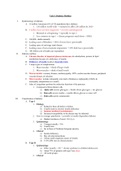
Weimar
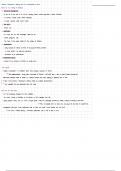
C onstitution :
dealing with the consequences of WW1
Terms of the Treaty of Versailles
.
1 Territorial arrangements :
·
G lost 10 % Of her pop . & 13 % of her territory (Alsace Coraine ,
West Prs . & Posen to Poland
·
G colonies -
placed under Allied mondates
·
G Cities --
placed under Allied control
. War
2 guilt :
·
article 231
.
3 reparations
G -
pay for the war damages (6600 mill El
·
.
·
subst .
payments :
coal
·
the Saar to be under control of the lague of Nations
4
. Disarmament
army reduced to 100
. 000 tanks big guns military arcraft
·
,
no or , no
·
G navy limited -
>
36 ships no submarines
,
·
Rhineland to be demilitarised
.
5 Maintaining peace
·
creation of the League of Nation 16 joined 1926):
The "Diktat"
·
Treaty >
-
considered -
> v . different from Pres Wodrow Wilson's
.
14 Points
"Self-Determination :
areas
many considered as "German" --
excluded from -new G State (Austria Donzig
,
etc )
.
Guilt hard to accept b2--people thought they were defensive war in 1914
clause fighting
·
war a
·
G felt ->
only country -
> disarmed (Wodrow spoke of universal disarmament (
this weakened the new government from the start
was the Tor that bad ?
G --
not physically occupied If & Bel . Suffered
ToV didn't weaken G politically be G's position in 1919-stronger than 1914
financ burden--heavy but G-still a major power-had the strongest economy in Europe (extensive industry + resources /
<
1932 :
G received more in loons than she paid for rep .
due to Dawes Plan
propaganda was loud i new government had to take the burden >
-
was blamed for the WW1
>
To contr internal politics + economic difficulties G had to face in
that 1919
, the Weimar constitution
<
the Social Democrats won the Jan 1919 elections
.
they held the 1 .
meeting of their new government in Weimar >
nickname "The Weimar Gov
"
.
-
their 1. job : write a new constitution for G
Their new rules :
terms of the Constitution
Const
·
. was democratic & system of checks and balances ensured power was shared out
·
local gov .
-"
run by 18 regions Central gov -given more power
.
2 Houses of government Reichstag & Reichsrat
Reichstag : Contr · taxation
everyone over 20 could vote
-
Reichsrat :
could delay laws unless overruled by 213 majority in Reichstag
Chancellor--head of
·
gov
.
↳
chose a ruled the
ministers country
↳ to laws--needed majority the
pass in Reichstag
President ->
head of state >elected every 7y
·
.
-
↳
under Article 48 ,
he could a pass
suspend constitution laws by decree
↳ took no part in day to day government
↳ <
Ebert- > I President
powerful
.
↳
↳
chose the chancellor promised General Grower there would be no reform of the army
↳ told the industrialists' Leader there -11-11---nationalisation of business
Could dismiss the Reichstag
↳
↳ promised Trade Unionist Leader there would be a .
max O hour working day
could take control of the army
Problems faced by the Weimar Government 1919-1923 ILRIM
Constitution
Ineffective :
they didn't create a strong gov . :
Article 48 gave the pres too much power in emergency he could make laws who to the Reichstag-used this often
·
going
.
:
proportional Representation -
> loads of different parties in the Reichstag
- >
difficult-> get them to
agree on
anything
this pol .
choos caused many to lose faith in the new democratic system
G states --
too much power and often ignored by the gov
.
the Army (generals ->
same men who had fought for the Kaiser
, wanted his return / not fully under the gov's control
↳ Putsch 1923 Crisis
failed to support the gov .
during the Kapp or the
·
judges were the same who had served under the Kaiser- >
sympathetic with those against the Rep.
Left-wing Rebellions : the communist KPD hated the new government
·
Jan .
1919 :
50 000 .
Spartacists rebelled in Berlin Led by :
Rosa Luxemburg + Karl libknecht
C onstitution :
dealing with the consequences of WW1
Terms of the Treaty of Versailles
.
1 Territorial arrangements :
·
G lost 10 % Of her pop . & 13 % of her territory (Alsace Coraine ,
West Prs . & Posen to Poland
·
G colonies -
placed under Allied mondates
·
G Cities --
placed under Allied control
. War
2 guilt :
·
article 231
.
3 reparations
G -
pay for the war damages (6600 mill El
·
.
·
subst .
payments :
coal
·
the Saar to be under control of the lague of Nations
4
. Disarmament
army reduced to 100
. 000 tanks big guns military arcraft
·
,
no or , no
·
G navy limited -
>
36 ships no submarines
,
·
Rhineland to be demilitarised
.
5 Maintaining peace
·
creation of the League of Nation 16 joined 1926):
The "Diktat"
·
Treaty >
-
considered -
> v . different from Pres Wodrow Wilson's
.
14 Points
"Self-Determination :
areas
many considered as "German" --
excluded from -new G State (Austria Donzig
,
etc )
.
Guilt hard to accept b2--people thought they were defensive war in 1914
clause fighting
·
war a
·
G felt ->
only country -
> disarmed (Wodrow spoke of universal disarmament (
this weakened the new government from the start
was the Tor that bad ?
G --
not physically occupied If & Bel . Suffered
ToV didn't weaken G politically be G's position in 1919-stronger than 1914
financ burden--heavy but G-still a major power-had the strongest economy in Europe (extensive industry + resources /
<
1932 :
G received more in loons than she paid for rep .
due to Dawes Plan
propaganda was loud i new government had to take the burden >
-
was blamed for the WW1
>
To contr internal politics + economic difficulties G had to face in
that 1919
, the Weimar constitution
<
the Social Democrats won the Jan 1919 elections
.
they held the 1 .
meeting of their new government in Weimar >
nickname "The Weimar Gov
"
.
-
their 1. job : write a new constitution for G
Their new rules :
terms of the Constitution
Const
·
. was democratic & system of checks and balances ensured power was shared out
·
local gov .
-"
run by 18 regions Central gov -given more power
.
2 Houses of government Reichstag & Reichsrat
Reichstag : Contr · taxation
everyone over 20 could vote
-
Reichsrat :
could delay laws unless overruled by 213 majority in Reichstag
Chancellor--head of
·
gov
.
↳
chose a ruled the
ministers country
↳ to laws--needed majority the
pass in Reichstag
President ->
head of state >elected every 7y
·
.
-
↳
under Article 48 ,
he could a pass
suspend constitution laws by decree
↳ took no part in day to day government
↳ <
Ebert- > I President
powerful
.
↳
↳
chose the chancellor promised General Grower there would be no reform of the army
↳ told the industrialists' Leader there -11-11---nationalisation of business
Could dismiss the Reichstag
↳
↳ promised Trade Unionist Leader there would be a .
max O hour working day
could take control of the army
Problems faced by the Weimar Government 1919-1923 ILRIM
Constitution
Ineffective :
they didn't create a strong gov . :
Article 48 gave the pres too much power in emergency he could make laws who to the Reichstag-used this often
·
going
.
:
proportional Representation -
> loads of different parties in the Reichstag
- >
difficult-> get them to
agree on
anything
this pol .
choos caused many to lose faith in the new democratic system
G states --
too much power and often ignored by the gov
.
the Army (generals ->
same men who had fought for the Kaiser
, wanted his return / not fully under the gov's control
↳ Putsch 1923 Crisis
failed to support the gov .
during the Kapp or the
·
judges were the same who had served under the Kaiser- >
sympathetic with those against the Rep.
Left-wing Rebellions : the communist KPD hated the new government
·
Jan .
1919 :
50 000 .
Spartacists rebelled in Berlin Led by :
Rosa Luxemburg + Karl libknecht