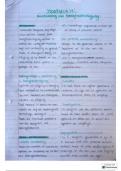
3.2 Transport in animals
1. Transport in animals
Need for a transport system
- All living cells need oxygen and nutrients supply and removal of waste products to survive
- 3 factors influencing need for transport system: 1. Size, 2. SA:V, 3. Level of metabolic activity
Size
- Very small animals don’t need a separate transport system as all cells are surrounded by the environment
in which they live = diffusion alone supplies enough oxygen and nutrients to survive
- Larger animals have complex anatomy = cells inside a larger organism are further from the surface =
diffusion distance increased = diffusion rate reduced = diffusion too slow to supply all requirements
- Outer layers of cells use up supplies so less reaches the cells deep inside the body
Surface area to volume ratio
- Small animals have a large SA:V so for each gram of tissue in the body they have a sufficient area of the
body surface through which exchange can occur
- Larger animals have a smaller SA:V so for each gram of tissue there is a smaller area of body surface for
exchange
Level of metabolic activity
- Oxygen is required to release energy from food by aerobic respiration - needed by animals from food so
they can move
- Very active animal = cells need a good supply of nutrients and oxygen to supply energy for movement
- Animals that keep themselves warm need even more energy
Features of a good transport system
Effective system:
1. A fluid or medium to carry nutrients, oxygen and wastes around the body – blood
2. A pump to create pressure that will push the fluid around the body – heart
3. Exchange surfaces that enable substances to enter the blood and leave it again when needed – capillaries
Efficient system:
1. Tubes or vessels to carry the blood by mass flow
2. Two circuits – one to pick up oxygen and another to deliver oxygen to the tissues
Single and double circulatory systems
Single
- The blood flows through the heart once for each circuit of the body e.g. in fish
- Heart -> gills -> body -> heart
Double
- Two separate circuits – one carrying blood to the lungs to pick up oxygen (pulmonary circulation) and
another carrying blood around the body to the tissues carrying oxygen and nutrients (systematic
circulation)
- Blood flows through the heart twice for each circuit of the body
- Heart -> body -> heart -> lungs -> heart
, Advantages of a double circulation
- Efficient circulatory system delivers oxygen and nutrients quickly to parts of the body in need
- Blood can be made to flow faster by increasing blood pressure from the heart
Single - fish Double - mammals
Low pressure when… Blood pressure drops as blood passes Blood pressure mustn’t be too high in pulmonary circulation or it
through the tiny capillaries of the gills may damage the delicate capillaries in the lungs
General circulation Blood has a lower pressure as it flows Heart increases blood pressure after it has passed to the lungs =
pressure towards the body and flows quite slowly blood under high pressure when passing through body
Effect on rate Limited rate at which oxygen and Systemic circulation can carry blood at a higher pressure than
nutrients are delivered to tissues and the pulmonary circulation = faster rate of transport of substances
carbon dioxide and urea are removed
Need for energy Fish are less metabolically active than Mammals are active animals and maintain their body
mammals as they don’t maintain their temperature so need more energy, released from food in
body temperature so need less energy respiration. To release lots of energy cells need a good supply of
and their single circulatory system fulfils oxygen and nutrients, and the removal of lots of waste products,
their needs so needs the more efficient double system
2. Blood vessels
Open circulatory systems
- Open circulatory system = blood is not always held within blood vessels, instead blood fluid circulates
through the body cavity, so that tissues and cells are bathed directly in blood
- Disadvantages:
1. Blood pressure is low and blood flow is slow
2. Circulation of blood may be affected by body movements or lack of
- In some animals, movements of the body help to circulate the blood and without movement the blood
stops moving -> the transport of oxygen and nutrients stops
- In other animals, e.g. insects, there is a muscular pumping organ like the heart – a long muscular tube that
lies under the dorsal (upper) surface of the body:
1. Blood from the body enters the heart through pores called ostia
2. The heart pumps the blood towards the head by peristalsis
3. At the forward end of the heart the blood pours out into the body cavity
4. This circulation can continue when the insect is at rest, but body movements may still affect
circulation
- Some larger and more active insects, e.g. locusts, have open-ended tubes attached to the heart that direct
the blood towards active parts of the body e.g. the leg and wing muscles
Closed circulatory systems
- Closed circulatory system = blood is always held entirely inside vessels
- Tissue fluid = separate fluid that bathes tissues and cells
- Advantages:
1. Higher pressure so blood flows more quickly
2. More rapid delivery of oxygen and nutrients
3. More rapid removal of carbon dioxide and other wastes
4. Transport is independent of body movements
Blood vessels
- Blood flows through various vessels each adapted to its role in relation to distance from the heart
1. Transport in animals
Need for a transport system
- All living cells need oxygen and nutrients supply and removal of waste products to survive
- 3 factors influencing need for transport system: 1. Size, 2. SA:V, 3. Level of metabolic activity
Size
- Very small animals don’t need a separate transport system as all cells are surrounded by the environment
in which they live = diffusion alone supplies enough oxygen and nutrients to survive
- Larger animals have complex anatomy = cells inside a larger organism are further from the surface =
diffusion distance increased = diffusion rate reduced = diffusion too slow to supply all requirements
- Outer layers of cells use up supplies so less reaches the cells deep inside the body
Surface area to volume ratio
- Small animals have a large SA:V so for each gram of tissue in the body they have a sufficient area of the
body surface through which exchange can occur
- Larger animals have a smaller SA:V so for each gram of tissue there is a smaller area of body surface for
exchange
Level of metabolic activity
- Oxygen is required to release energy from food by aerobic respiration - needed by animals from food so
they can move
- Very active animal = cells need a good supply of nutrients and oxygen to supply energy for movement
- Animals that keep themselves warm need even more energy
Features of a good transport system
Effective system:
1. A fluid or medium to carry nutrients, oxygen and wastes around the body – blood
2. A pump to create pressure that will push the fluid around the body – heart
3. Exchange surfaces that enable substances to enter the blood and leave it again when needed – capillaries
Efficient system:
1. Tubes or vessels to carry the blood by mass flow
2. Two circuits – one to pick up oxygen and another to deliver oxygen to the tissues
Single and double circulatory systems
Single
- The blood flows through the heart once for each circuit of the body e.g. in fish
- Heart -> gills -> body -> heart
Double
- Two separate circuits – one carrying blood to the lungs to pick up oxygen (pulmonary circulation) and
another carrying blood around the body to the tissues carrying oxygen and nutrients (systematic
circulation)
- Blood flows through the heart twice for each circuit of the body
- Heart -> body -> heart -> lungs -> heart
, Advantages of a double circulation
- Efficient circulatory system delivers oxygen and nutrients quickly to parts of the body in need
- Blood can be made to flow faster by increasing blood pressure from the heart
Single - fish Double - mammals
Low pressure when… Blood pressure drops as blood passes Blood pressure mustn’t be too high in pulmonary circulation or it
through the tiny capillaries of the gills may damage the delicate capillaries in the lungs
General circulation Blood has a lower pressure as it flows Heart increases blood pressure after it has passed to the lungs =
pressure towards the body and flows quite slowly blood under high pressure when passing through body
Effect on rate Limited rate at which oxygen and Systemic circulation can carry blood at a higher pressure than
nutrients are delivered to tissues and the pulmonary circulation = faster rate of transport of substances
carbon dioxide and urea are removed
Need for energy Fish are less metabolically active than Mammals are active animals and maintain their body
mammals as they don’t maintain their temperature so need more energy, released from food in
body temperature so need less energy respiration. To release lots of energy cells need a good supply of
and their single circulatory system fulfils oxygen and nutrients, and the removal of lots of waste products,
their needs so needs the more efficient double system
2. Blood vessels
Open circulatory systems
- Open circulatory system = blood is not always held within blood vessels, instead blood fluid circulates
through the body cavity, so that tissues and cells are bathed directly in blood
- Disadvantages:
1. Blood pressure is low and blood flow is slow
2. Circulation of blood may be affected by body movements or lack of
- In some animals, movements of the body help to circulate the blood and without movement the blood
stops moving -> the transport of oxygen and nutrients stops
- In other animals, e.g. insects, there is a muscular pumping organ like the heart – a long muscular tube that
lies under the dorsal (upper) surface of the body:
1. Blood from the body enters the heart through pores called ostia
2. The heart pumps the blood towards the head by peristalsis
3. At the forward end of the heart the blood pours out into the body cavity
4. This circulation can continue when the insect is at rest, but body movements may still affect
circulation
- Some larger and more active insects, e.g. locusts, have open-ended tubes attached to the heart that direct
the blood towards active parts of the body e.g. the leg and wing muscles
Closed circulatory systems
- Closed circulatory system = blood is always held entirely inside vessels
- Tissue fluid = separate fluid that bathes tissues and cells
- Advantages:
1. Higher pressure so blood flows more quickly
2. More rapid delivery of oxygen and nutrients
3. More rapid removal of carbon dioxide and other wastes
4. Transport is independent of body movements
Blood vessels
- Blood flows through various vessels each adapted to its role in relation to distance from the heart