

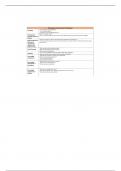
Therapeutic Communication Techniques
“I can imagine how that might feel.”
Accepting “That’s understandable.”
“It makes sense you might feel that way.”
Patient: “My sister is lazy!”
Attempting to Nurse: “You sound upset with your sister for not helping the family, that must have been discouraging.”
translate words into
feelings
“I grew up in Texas too. Tell me more about what it was like for you growing up...”
Brief self-disclosure “I experienced that type of loss too. My mother died when I was nine. Tell me more about how you are coping
followed by with your loss.”
returning the
subject to the
patient’s issues
“What would you like to talk about today?”
Broad Openings “What would be helpful to discuss today?”
“What are you thinking about.”
“I’m not sure I understand. Would you please explain what happened?”
Clarifying “Help me understand your situation before coming to the hospital.”
“How does this compare to the last time it happened?”
Encouraging “Have you had similar experiences?”
comparisons “Has this happened before?”
“Is this how you felt when…?”
“What do these voices seem to be saying?”
Encouraging “What are the voices telling you?”
descriptions of “Tell me when you feel anxious.”
perceptions
“What are your feelings about that?”
Encouraging “How did you feel when your supervisor said he plans to cut your hours.”
expressions of “Does this contribute to your distress?”
feelings
, “Tell me more about what happened in your work that led to your hospitalization.”
Exploring “Would you describe that more fully?”
“At this point you are making about leaving school seems worth looking at more closely.”
Focusing “You’ve mentioned many things, let’s go back to your thinking of ending it all.’”
“Next time this happens, how might you handle it differently?”
Forming a plan of “What could you do differently to let your anger out without harming anyone?”
action
“Yes, I see your point…after that?”
General leads “Go on (nodding) uh huh…Tell me more about that…”
“And then?”
(Descriptive and focused on behavior that can be modified. Specific and imparts well-timed information rather
Giving feedback than advice).
In group therapy: “When you raised your voice just now, your peers looked scared.”
“This is the first time you brought up your own problems to discuss in group therapy today.”
Giving recognition “Hello Ms. Smith.” “Good morning, Mr. James.”
“You’ve combed your hair today.”
“I noticed that you shaved today.”
“Visiting hours is from 7 PM to 8 PM.”
Giving/seeking “Bipolar disorder is…”
information “When did you stop taking your medications?”
“The test will determine…”
(Noting unexpressed feelings in nonverbal behavior)
Making observation “You seem upset.”
“You’re smiling yet you sound resentful.”
“You appear…….”
“I’m interested in what you think.”
Offering self “Let’s spend a half hour together this morning and discuss your concerns.”
“I’ll stay here…..”
“Tell me about your family.”
Open-ended “What are your feelings about your daughter right now?”
questions
“I can imagine how that might feel.”
Accepting “That’s understandable.”
“It makes sense you might feel that way.”
Patient: “My sister is lazy!”
Attempting to Nurse: “You sound upset with your sister for not helping the family, that must have been discouraging.”
translate words into
feelings
“I grew up in Texas too. Tell me more about what it was like for you growing up...”
Brief self-disclosure “I experienced that type of loss too. My mother died when I was nine. Tell me more about how you are coping
followed by with your loss.”
returning the
subject to the
patient’s issues
“What would you like to talk about today?”
Broad Openings “What would be helpful to discuss today?”
“What are you thinking about.”
“I’m not sure I understand. Would you please explain what happened?”
Clarifying “Help me understand your situation before coming to the hospital.”
“How does this compare to the last time it happened?”
Encouraging “Have you had similar experiences?”
comparisons “Has this happened before?”
“Is this how you felt when…?”
“What do these voices seem to be saying?”
Encouraging “What are the voices telling you?”
descriptions of “Tell me when you feel anxious.”
perceptions
“What are your feelings about that?”
Encouraging “How did you feel when your supervisor said he plans to cut your hours.”
expressions of “Does this contribute to your distress?”
feelings
, “Tell me more about what happened in your work that led to your hospitalization.”
Exploring “Would you describe that more fully?”
“At this point you are making about leaving school seems worth looking at more closely.”
Focusing “You’ve mentioned many things, let’s go back to your thinking of ending it all.’”
“Next time this happens, how might you handle it differently?”
Forming a plan of “What could you do differently to let your anger out without harming anyone?”
action
“Yes, I see your point…after that?”
General leads “Go on (nodding) uh huh…Tell me more about that…”
“And then?”
(Descriptive and focused on behavior that can be modified. Specific and imparts well-timed information rather
Giving feedback than advice).
In group therapy: “When you raised your voice just now, your peers looked scared.”
“This is the first time you brought up your own problems to discuss in group therapy today.”
Giving recognition “Hello Ms. Smith.” “Good morning, Mr. James.”
“You’ve combed your hair today.”
“I noticed that you shaved today.”
“Visiting hours is from 7 PM to 8 PM.”
Giving/seeking “Bipolar disorder is…”
information “When did you stop taking your medications?”
“The test will determine…”
(Noting unexpressed feelings in nonverbal behavior)
Making observation “You seem upset.”
“You’re smiling yet you sound resentful.”
“You appear…….”
“I’m interested in what you think.”
Offering self “Let’s spend a half hour together this morning and discuss your concerns.”
“I’ll stay here…..”
“Tell me about your family.”
Open-ended “What are your feelings about your daughter right now?”
questions

