8/22/24, 4:04 AM
DANIEL
NURS 2535: TEST 1 (WEEK 1-3)
Practice questions for this set
Terms in this set (100)
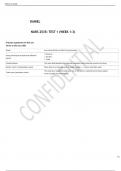
Drugs Any chemical that can affect living processes
1. Chemical
A drug will acquire at least three different
2. Generic
names:
3. Trade
Chemical Name The name that describes the chemical composition and molecular structure of a drug.
Generic name (nonproprietary name) Name given to a drug approved by Health Canada —> nurses most often used!
The drug has a registered trademark; use of the name is restricted by the drug's patent
Trade name (proprietary name)
owner (usually the manufacturer)
1/6
, 8/22/24, 4:04 AM
Drugs are classified by: structure and therapeutic use
Pharmacology study of drugs and their effects on the body
The study of how various drug forms influence the way in which the drug affects the
Pharmaceutics
body
Pharmacokinetics what the body does to the drug
Pharmacodynamics what the drug does to the body
Clinical Pharmacology study of drugs in humans
Study of the use of drugs in treating disease
Pharmacotherapeutics
Use of drugs to prevent & treat diseases
Medication error Inappropriate use of a medication that could lead to patient harm.
Disease Structural/functional change in the body that is harmful to the organism
Pathology study of disease
Pathogenesis sequence of events in the development of a disease
Etiology cause of disease
1. Symptoms (pt's observation)
2. Signs (examiner's observation)
4 Manifestations of disease
3. Lab abnormalities (results of tests)
4. Radiographic abnormality (R studies (x-ray, CT, MRI)
Diagnosis identification of a disease
Syndrome Cluster of findings commonly encountered w/ more than one disease
Structural disease organic diseases characterized by structural changes (lesions) within the body
Diseases w/o visible lesions
E.g.
Functional disease —Tension headache
—Diabetes
—Irritable bowel syndrome
—Hypertension
1. Exogenous
Causes of Disease
2. Endogenous
idiopathic unknown cause
iatrogenic adverse effects that result from treatment or intervention by a physician
Nosocomial acquired from hospital environment
Exogenous disease caused by organisms found outside of the body
Endogenous disease disease that originates within the body; ex: tumors
Peak level highest blood level of a drug
Trough level lowest blood level of a drug
Toxicity occurs if the peak blood level of the drug is too high
use of a higher dose than what is usually used for treatment to allow the drug to reach
Loading dose
the critical concentration sooner
Maintenance dose the dose of drug that maintains or keeps the drug in the therapeutic range
Bioavailability the rate at and the extent to which a nutrient is absorbed and used
2/6
DANIEL
NURS 2535: TEST 1 (WEEK 1-3)
Practice questions for this set
Terms in this set (100)
Drugs Any chemical that can affect living processes
1. Chemical
A drug will acquire at least three different
2. Generic
names:
3. Trade
Chemical Name The name that describes the chemical composition and molecular structure of a drug.
Generic name (nonproprietary name) Name given to a drug approved by Health Canada —> nurses most often used!
The drug has a registered trademark; use of the name is restricted by the drug's patent
Trade name (proprietary name)
owner (usually the manufacturer)
1/6
, 8/22/24, 4:04 AM
Drugs are classified by: structure and therapeutic use
Pharmacology study of drugs and their effects on the body
The study of how various drug forms influence the way in which the drug affects the
Pharmaceutics
body
Pharmacokinetics what the body does to the drug
Pharmacodynamics what the drug does to the body
Clinical Pharmacology study of drugs in humans
Study of the use of drugs in treating disease
Pharmacotherapeutics
Use of drugs to prevent & treat diseases
Medication error Inappropriate use of a medication that could lead to patient harm.
Disease Structural/functional change in the body that is harmful to the organism
Pathology study of disease
Pathogenesis sequence of events in the development of a disease
Etiology cause of disease
1. Symptoms (pt's observation)
2. Signs (examiner's observation)
4 Manifestations of disease
3. Lab abnormalities (results of tests)
4. Radiographic abnormality (R studies (x-ray, CT, MRI)
Diagnosis identification of a disease
Syndrome Cluster of findings commonly encountered w/ more than one disease
Structural disease organic diseases characterized by structural changes (lesions) within the body
Diseases w/o visible lesions
E.g.
Functional disease —Tension headache
—Diabetes
—Irritable bowel syndrome
—Hypertension
1. Exogenous
Causes of Disease
2. Endogenous
idiopathic unknown cause
iatrogenic adverse effects that result from treatment or intervention by a physician
Nosocomial acquired from hospital environment
Exogenous disease caused by organisms found outside of the body
Endogenous disease disease that originates within the body; ex: tumors
Peak level highest blood level of a drug
Trough level lowest blood level of a drug
Toxicity occurs if the peak blood level of the drug is too high
use of a higher dose than what is usually used for treatment to allow the drug to reach
Loading dose
the critical concentration sooner
Maintenance dose the dose of drug that maintains or keeps the drug in the therapeutic range
Bioavailability the rate at and the extent to which a nutrient is absorbed and used
2/6