REVISION GUIDE ECONOMIC AND LEGAL INTEGRATION
ECONOMICS
Week 1
Introduction to European Economics and Law
Legal Integration: the function of law is to manage expectation of different actors in society, establish
standards, maintain order and resolve disputes and protect liberties and rights
There are two sources of EU Law:
1. Primary EU Law (Treaties and Principles)
2. Secondary EU Law (Directives, regulations and decisions)
The Economic Approach has to do with three principles:
1. Decision-making rational individual decisions
2. Market Exchange trade leads to benefits and the market brings equilibrium
3. Economy as a whole Economic outcomes are determined by individual decisions
European economics is a sub-discipline within economics and can be defined as the integration of separate
economies by removing trade barriers which allow for the integration of goods, services, labour and capital
The 5 stages of Economic integration according to Balassa:
1. Free Trade Area no import or export tariffs
2. Customs Union Common External tariff
3. Common Market Removal of restrictions for labour and capital
4. Economic Union Harmonizing of national policies
5. Total economic integration Macroeconomic polices are fully integrated
GDP: Gross Domestic Product the total number of goods and service being produced in an economic area
Economic Analysis of the Customs Union in the Treaty of Rome
The Treaty of Rome in 1957 can be considered as the first stage of European integration, and as one of the
A customs union will ‘merely’ remove intra-union tariffs and quotas moving beyond the CU to accomplish
true goods market integration requires the removal of regulatory barriers
Liberalisation and Approximation:
The Rome Treaty opted for a CU covering all goods trade, and has the unique feature of free movement
GATT: General Agreement on Tariffs and Trade (1947)
The aims of approximation are unclear because it is open-ended in a group of 25 countries the perceived
need to approximate will rarely be completely uniform
There must be a political push to produce join regulation a permanent regulatory drive at national level was
not governed by a binding EC framework
Common Policies for Goods Markets:
The establishment of the common external tariff is largely specified in non-discretionary terms
In agriculture the GATT had never been allowed to work due to national protectionism and only occurred
when there were marked national shortages
,The Rome Treaty was negotiated in an era of decolonialisation where some MSs insisted upon preferentialism
with former colonies
Building the Customs Union:
It is to cover all goods, even though the CAP is treated in a separate title
The CAP is an agricultural CU, ensuring a politically agreed minimum price in agriculture
Setting the CET (Common External Tariff) is likely to be more politicised than internal liberalisation
The negotiators of the new EEC Treaty wanted simple rules, so they specified a CET that was an average of all
national tariffs
Once co-members have different external quotas, national prices will be higher in countries with binding
quotas
Customs Union and Trade Diversion:
Creating a customs union is a partial liberalization of trade and should have positive welfare effects for non-
member countries
Insofar as tariffs are reduced this should create trade and yield a welfare benefit
Bilateral trade agreements barter trades, one country agreeing to import a specific quantity of a good from
a trading partner a vice versa
The economic structure of the Treaty of Rome consists of economic aims and economic means, which were to
make a common market and approximate economic policies
According to the economic integration according to Balassa, the Treaty of Rome included an FTA, a Customs
Union and a Common Market
Analysing the effects of a Customs Union, we use the technique of Welfare Analysis, but first the basic idea of
markets must be understood
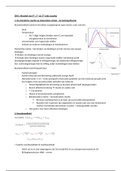
The market is a model of supply and demand, and an equilibrium is met when there is no over/under supply
and no over/under demand
The demand curve is the relationship between the price of a certain good and how much is being demanded
of it, and the supply curve is the relationship between the price and the quantity supplies
Key concepts of welfare economics:
1. Consumer Surplus: below the demand curve and above the market price
2. Producer surplus: above the supply curve and below the market price
The disadvantages of these bilateral agreements before 1957 were that they were inflexible, which is why an
alternative option was to open up for trade meaning counties could shift their trade agreements to the
cheapest price producers
From a government’s perspective, a more efficient method of expanding trade is to set quantity restrictions
With multilateral trade, the government can now realize tariff proceeds cheaply by imposing a fixed tariff price
and gaining revenues from new customs duties
The sole foreign source of supply becomes the lowest-cost producer in a customs union, because of the
removal of tariff barriers
Uniform tariffs are levied on imports with no restriction to the amount imported
In a customs union, all parties enjoy the same level of tariff protection
, For international trade, the opening of borders reduces the prices to the lower world prices and domestic
supply shortages are covered by imports
Welfare Effects of the Customs Union:
By liberalizing trade and opening up the market it means that neighbouring partners will not benefit so
making a customs union where tariffs are not charged for partners and beneficial solely for them and not to
the rest of the world
Many MSs lose revenue from the tariff income
Consumer surplus increases, whilst producer surplus decreases domestic consumers however do not get
access to lower world prices, and domestic producers are protected from lower world price competition
For the US, there were able to get a lower external tariff than the before bilateral ones
The customs union protected the European 6 from the rest of the world, and intra-European trade noticeably
increased
Jacob Viner Analysis:
1. Trade Creation: Positives effects from extra trade with the partner
2. Trade Diversion: All disadvantages of diverting trade to a new partner who produces cheaper goods
(buying more from a less efficient partner cheaper EXTERNAL vs more expensive INTERNAL)
Conclusions
1. Economic effects of Customs Union are indeterminate because of opposite effects of trade creation
and trade diversion
2. Economic effects are distributed unequally over various groups of actors (consumer, producer,
government) domestically, partner or foreign
3. Customs Union has started a process of market integration, that is assumed to generate further
positive economic effects
Week 2
From the Common Market to the Internal Market
In market transactions both parties experience benefits
Trade deals are only positive when trade creation is larger than trade diversion, and one must look at the
specifics like supply and demand, tariffs, and differences between two net prices
Treaty of Rome:
Two most important elements in 1957 common market and approximating economic policies
Customs Union abolishment of internal tariffs and establish a common external tariff to countries not in the
union
Customs union required European rules to maintain competition in the union led to drafting of Competition
policy
Competition Policy:
In order to create a common market, it is also important to have a set of legal rules based on competition
the assumption being that a perfectly competitive market generates the highest possible surplus.
These were a set of policies aimed at maintaining sufficient competition on markets and prevent all forms of
monopoly or market power
ECONOMICS
Week 1
Introduction to European Economics and Law
Legal Integration: the function of law is to manage expectation of different actors in society, establish
standards, maintain order and resolve disputes and protect liberties and rights
There are two sources of EU Law:
1. Primary EU Law (Treaties and Principles)
2. Secondary EU Law (Directives, regulations and decisions)
The Economic Approach has to do with three principles:
1. Decision-making rational individual decisions
2. Market Exchange trade leads to benefits and the market brings equilibrium
3. Economy as a whole Economic outcomes are determined by individual decisions
European economics is a sub-discipline within economics and can be defined as the integration of separate
economies by removing trade barriers which allow for the integration of goods, services, labour and capital
The 5 stages of Economic integration according to Balassa:
1. Free Trade Area no import or export tariffs
2. Customs Union Common External tariff
3. Common Market Removal of restrictions for labour and capital
4. Economic Union Harmonizing of national policies
5. Total economic integration Macroeconomic polices are fully integrated
GDP: Gross Domestic Product the total number of goods and service being produced in an economic area
Economic Analysis of the Customs Union in the Treaty of Rome
The Treaty of Rome in 1957 can be considered as the first stage of European integration, and as one of the
A customs union will ‘merely’ remove intra-union tariffs and quotas moving beyond the CU to accomplish
true goods market integration requires the removal of regulatory barriers
Liberalisation and Approximation:
The Rome Treaty opted for a CU covering all goods trade, and has the unique feature of free movement
GATT: General Agreement on Tariffs and Trade (1947)
The aims of approximation are unclear because it is open-ended in a group of 25 countries the perceived
need to approximate will rarely be completely uniform
There must be a political push to produce join regulation a permanent regulatory drive at national level was
not governed by a binding EC framework
Common Policies for Goods Markets:
The establishment of the common external tariff is largely specified in non-discretionary terms
In agriculture the GATT had never been allowed to work due to national protectionism and only occurred
when there were marked national shortages
,The Rome Treaty was negotiated in an era of decolonialisation where some MSs insisted upon preferentialism
with former colonies
Building the Customs Union:
It is to cover all goods, even though the CAP is treated in a separate title
The CAP is an agricultural CU, ensuring a politically agreed minimum price in agriculture
Setting the CET (Common External Tariff) is likely to be more politicised than internal liberalisation
The negotiators of the new EEC Treaty wanted simple rules, so they specified a CET that was an average of all
national tariffs
Once co-members have different external quotas, national prices will be higher in countries with binding
quotas
Customs Union and Trade Diversion:
Creating a customs union is a partial liberalization of trade and should have positive welfare effects for non-
member countries
Insofar as tariffs are reduced this should create trade and yield a welfare benefit
Bilateral trade agreements barter trades, one country agreeing to import a specific quantity of a good from
a trading partner a vice versa
The economic structure of the Treaty of Rome consists of economic aims and economic means, which were to
make a common market and approximate economic policies
According to the economic integration according to Balassa, the Treaty of Rome included an FTA, a Customs
Union and a Common Market
Analysing the effects of a Customs Union, we use the technique of Welfare Analysis, but first the basic idea of
markets must be understood
The market is a model of supply and demand, and an equilibrium is met when there is no over/under supply
and no over/under demand
The demand curve is the relationship between the price of a certain good and how much is being demanded
of it, and the supply curve is the relationship between the price and the quantity supplies
Key concepts of welfare economics:
1. Consumer Surplus: below the demand curve and above the market price
2. Producer surplus: above the supply curve and below the market price
The disadvantages of these bilateral agreements before 1957 were that they were inflexible, which is why an
alternative option was to open up for trade meaning counties could shift their trade agreements to the
cheapest price producers
From a government’s perspective, a more efficient method of expanding trade is to set quantity restrictions
With multilateral trade, the government can now realize tariff proceeds cheaply by imposing a fixed tariff price
and gaining revenues from new customs duties
The sole foreign source of supply becomes the lowest-cost producer in a customs union, because of the
removal of tariff barriers
Uniform tariffs are levied on imports with no restriction to the amount imported
In a customs union, all parties enjoy the same level of tariff protection
, For international trade, the opening of borders reduces the prices to the lower world prices and domestic
supply shortages are covered by imports
Welfare Effects of the Customs Union:
By liberalizing trade and opening up the market it means that neighbouring partners will not benefit so
making a customs union where tariffs are not charged for partners and beneficial solely for them and not to
the rest of the world
Many MSs lose revenue from the tariff income
Consumer surplus increases, whilst producer surplus decreases domestic consumers however do not get
access to lower world prices, and domestic producers are protected from lower world price competition
For the US, there were able to get a lower external tariff than the before bilateral ones
The customs union protected the European 6 from the rest of the world, and intra-European trade noticeably
increased
Jacob Viner Analysis:
1. Trade Creation: Positives effects from extra trade with the partner
2. Trade Diversion: All disadvantages of diverting trade to a new partner who produces cheaper goods
(buying more from a less efficient partner cheaper EXTERNAL vs more expensive INTERNAL)
Conclusions
1. Economic effects of Customs Union are indeterminate because of opposite effects of trade creation
and trade diversion
2. Economic effects are distributed unequally over various groups of actors (consumer, producer,
government) domestically, partner or foreign
3. Customs Union has started a process of market integration, that is assumed to generate further
positive economic effects
Week 2
From the Common Market to the Internal Market
In market transactions both parties experience benefits
Trade deals are only positive when trade creation is larger than trade diversion, and one must look at the
specifics like supply and demand, tariffs, and differences between two net prices
Treaty of Rome:
Two most important elements in 1957 common market and approximating economic policies
Customs Union abolishment of internal tariffs and establish a common external tariff to countries not in the
union
Customs union required European rules to maintain competition in the union led to drafting of Competition
policy
Competition Policy:
In order to create a common market, it is also important to have a set of legal rules based on competition
the assumption being that a perfectly competitive market generates the highest possible surplus.
These were a set of policies aimed at maintaining sufficient competition on markets and prevent all forms of
monopoly or market power