ECOLOGISM
CORE IDEAS AND PRINCIPLES
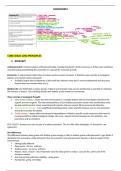
1. ECOLOGY
Anthropocentric: Humans behave anthropocentrically, treating the planet's finite resources as if they were unlimited
and destroying and polluting the ecosystem in a pursuit for economic growth.
Ecocentric: A nature based rather than a human-centred system of values. It therefore gives priority to ecological
balance over human wants and needs.
Ecologists argue that all elements of the earth has inherent value that is more fundamental and also goes
beyond what our human value of it is.
Biodiversity: the belief that as many species of plants and animals must survive and flourish as possible to maintain
the richness of nature. This will bring health and stability to the broad eco-community.
Three strands of ecological thought:
1. Deep green ecology - assets that the environment is a complex holistic web of interrelations between the
organic and non-organic. The interconnectedness of our holistic ecosystem sustains life, and humans must
develop and Ecocentric vision respecting both organic and non-organic life to preserve bio-diversity.
2. Shallow green ecology - is an enlightened anthropocentric vision whereby humans acts as environmental
stewards to protect the planet.
3. Social ecology - argues that environmental degradation is linked to specific social constructs that must be
overturned before radical ecological change can occur. Aspects of social ecology are eco-socialism, eco-
anarchism and eco-feminist.
ECO VS EGO - humans are seen as part of a wider ecosystem. This isn't like other ideologies, its Ecocentric, not
egocentric.
Key differences
The difference between deep green and shallow green ecology is that in shallow green anthropocentric's ego thinks it
dominates the ecosystem, while dark green has an Ecocentric view and perceives humans as but an aspect of the
environment.
Ideologically different
Deep green - do less, with less
Shallow green - do more, with less
Reduce, reuse, recycle - most important word for deep green is reduce - just use less, don't care if the
economy crashes
Just stop oil and extinction rebellion - deep green
Having kids, going on holiday
, NHS - culturally accepted and expected, not true in the US - this shows that the difference between cultural
collective projects can be very different
Many deep greens argue that shallow greens are even worse than normal people - go big or go home or
because shallow greens get their guilt relieved, but this shouldn't happen because they still mess up the
environment, but don't have enough motivation to go even further. They are the problem.
Green washing: shell sponsoring the cycling, to make them look like environmentalists.
Aldo Leopold
Holistic thinker
Ecology is the study of a 'world of wounds' such is the extent of environmental damage
His ideas help him form this ideology
The human race 'hammered the artefacts called civilisation'
The land ethic - humans should accept that the land does not belong to them. There should be biocentric
equality where all beings and the community have equal value. Biodiversity is therefore essential to conserve
endangered species and their habitats. 'wilderness' landscapes free from human interference must be
preserved in their natural state - Ecocentric.
Shallow green example counter point - south downs national park (youngest national park) - south downs
way. Its being protected, but part of the protection is egocentric, anthropocentric and for human enjoyment.
Environmentally friendly business is still capitalist and anthropocentric, not deep green ideology.
Aldo Leopold - deep green
Deep green areas: blue range and Gila wildernesses in New Mexico, but you can now mine in them - deep
green hasn't worked.
Controversial idea - more radical than an anarchic-communist (anthropocentric), as its also shared among all
living things and the land itself
Conservation fails becasue it is based on an economic model where land is valued merely as a commodity of
monetary worth. Human nature must alter so it recognises that nature is no longer perceived as a resource
to be exploited.
2. HOLISM
Holism: every aspect of nature as being interconnected. The whole is therefore greater than the sum of its parts and
the environment self-regulates beyond human understanding.
Holism actively argues for biological diversity and bio spherical egalitarianism, as a wide variety of species of
both flora and fauna is needed to preserve the ecosystem.
Bio spherical egalitarianism: Buddhist monks and Jains sweep in front of them before they walk to not kill bugs -
minimal impact on the world around them.
Rationalistic enlightenment thinkers disputed the idea of holism in 2 key ways:
1. Mechanisation world view - nature could be reduced to its constituent parts then examined in isolation as if
they were a machine. Deep green.
2. Dominion over nature - if nature is understood, it can be dominated by man, Francis Bacon, the
enlightenment thinker, concluded. Comes from the bible - we were made in the image of him, so the world is
there for us.
3. Shallow green stewardship - we do need to look after the earth.
If we cared less about material things, then we would focus more on values as a human being.
Carolyn Merchant views such a paradigm as destructive and hubristic. Likewise EF Schumacher argued that modern
living has facilitated this myth of human ascendancy as city dwellers are dislocated from the ecosystem, facilitating
the idea that humans are successfully dominating nature.
Enlightenment thinks we have dominion over nature - but that is a hubristic view
This exploitation in the long-term is hugely harmful to humans as well
Humans are divorced from reality
CORE IDEAS AND PRINCIPLES
1. ECOLOGY
Anthropocentric: Humans behave anthropocentrically, treating the planet's finite resources as if they were unlimited
and destroying and polluting the ecosystem in a pursuit for economic growth.
Ecocentric: A nature based rather than a human-centred system of values. It therefore gives priority to ecological
balance over human wants and needs.
Ecologists argue that all elements of the earth has inherent value that is more fundamental and also goes
beyond what our human value of it is.
Biodiversity: the belief that as many species of plants and animals must survive and flourish as possible to maintain
the richness of nature. This will bring health and stability to the broad eco-community.
Three strands of ecological thought:
1. Deep green ecology - assets that the environment is a complex holistic web of interrelations between the
organic and non-organic. The interconnectedness of our holistic ecosystem sustains life, and humans must
develop and Ecocentric vision respecting both organic and non-organic life to preserve bio-diversity.
2. Shallow green ecology - is an enlightened anthropocentric vision whereby humans acts as environmental
stewards to protect the planet.
3. Social ecology - argues that environmental degradation is linked to specific social constructs that must be
overturned before radical ecological change can occur. Aspects of social ecology are eco-socialism, eco-
anarchism and eco-feminist.
ECO VS EGO - humans are seen as part of a wider ecosystem. This isn't like other ideologies, its Ecocentric, not
egocentric.
Key differences
The difference between deep green and shallow green ecology is that in shallow green anthropocentric's ego thinks it
dominates the ecosystem, while dark green has an Ecocentric view and perceives humans as but an aspect of the
environment.
Ideologically different
Deep green - do less, with less
Shallow green - do more, with less
Reduce, reuse, recycle - most important word for deep green is reduce - just use less, don't care if the
economy crashes
Just stop oil and extinction rebellion - deep green
Having kids, going on holiday
, NHS - culturally accepted and expected, not true in the US - this shows that the difference between cultural
collective projects can be very different
Many deep greens argue that shallow greens are even worse than normal people - go big or go home or
because shallow greens get their guilt relieved, but this shouldn't happen because they still mess up the
environment, but don't have enough motivation to go even further. They are the problem.
Green washing: shell sponsoring the cycling, to make them look like environmentalists.
Aldo Leopold
Holistic thinker
Ecology is the study of a 'world of wounds' such is the extent of environmental damage
His ideas help him form this ideology
The human race 'hammered the artefacts called civilisation'
The land ethic - humans should accept that the land does not belong to them. There should be biocentric
equality where all beings and the community have equal value. Biodiversity is therefore essential to conserve
endangered species and their habitats. 'wilderness' landscapes free from human interference must be
preserved in their natural state - Ecocentric.
Shallow green example counter point - south downs national park (youngest national park) - south downs
way. Its being protected, but part of the protection is egocentric, anthropocentric and for human enjoyment.
Environmentally friendly business is still capitalist and anthropocentric, not deep green ideology.
Aldo Leopold - deep green
Deep green areas: blue range and Gila wildernesses in New Mexico, but you can now mine in them - deep
green hasn't worked.
Controversial idea - more radical than an anarchic-communist (anthropocentric), as its also shared among all
living things and the land itself
Conservation fails becasue it is based on an economic model where land is valued merely as a commodity of
monetary worth. Human nature must alter so it recognises that nature is no longer perceived as a resource
to be exploited.
2. HOLISM
Holism: every aspect of nature as being interconnected. The whole is therefore greater than the sum of its parts and
the environment self-regulates beyond human understanding.
Holism actively argues for biological diversity and bio spherical egalitarianism, as a wide variety of species of
both flora and fauna is needed to preserve the ecosystem.
Bio spherical egalitarianism: Buddhist monks and Jains sweep in front of them before they walk to not kill bugs -
minimal impact on the world around them.
Rationalistic enlightenment thinkers disputed the idea of holism in 2 key ways:
1. Mechanisation world view - nature could be reduced to its constituent parts then examined in isolation as if
they were a machine. Deep green.
2. Dominion over nature - if nature is understood, it can be dominated by man, Francis Bacon, the
enlightenment thinker, concluded. Comes from the bible - we were made in the image of him, so the world is
there for us.
3. Shallow green stewardship - we do need to look after the earth.
If we cared less about material things, then we would focus more on values as a human being.
Carolyn Merchant views such a paradigm as destructive and hubristic. Likewise EF Schumacher argued that modern
living has facilitated this myth of human ascendancy as city dwellers are dislocated from the ecosystem, facilitating
the idea that humans are successfully dominating nature.
Enlightenment thinks we have dominion over nature - but that is a hubristic view
This exploitation in the long-term is hugely harmful to humans as well
Humans are divorced from reality