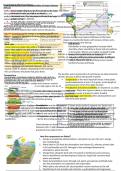
Local
Globalfactors affecting
distribution andbiomes
characteristics of major biomes
Altitude
Thebiosphere
Temperatures fall at
is the living a rate
layer of 0.5
of the C and
earth 1 C forrocks
between every 100 meters
climbed
(lithosphere) andinthe
height up a hill or mountain.
air (atmosphere). All plants and
Mountains
animals are also
are found here. Themore exposed
biosphere to windinto
is divided andlarge
precipitation is usually
regions greater at higher altitudes.
called biomes.
At high altitudes, below freezing temperatures are common, limiting
A biome is a large-scale ecosystem, such as the tropical
the types of plants that can grow.
rainforest. Each biome has its own climate, plant species
These factors means that forest biomes will decrease with altitude becoming
and animal species.
stunted and then replaced by hardier species like grasses.
Altitudinal zonation: is the change in ecosystems at different On the slopes of Mount Kilimanjaro (Tanzania), the
altitudes, caused by alterations in temperature, precipitation, biomes change from tropical rainforest on the lower
sunlight and soil type slopes to a tundra-like biome with mosses, lichens and a
few tough grasses near the top.
Distribution
Rock type
-Some rocks are harder than others. Granite is very Distribution is a key geographical concept which
hard whilst chalk is very soft and wears away easily. describes where something is found and any patterns
-Some rocks are permeable meaning they let water Soils in its location. Biomes are roughly arranged in belts
soak through them such as sandstone or chalk. Soils are a mixture
aroundof thetiny particles
world of rock,
a different dead plants and
latitudes.
-Other rocks are impermeable meaning they don’t let animals, air -tropical
and water. Differentare
rainforests plants grow
found better in
between thedifferent
tropics
water soak through them such as marble or slate. types of soil,-taiga
whichisaffects
found inthea biome
belt stretching across Canada,
-When rocks undergo chemical weathering, they Northern Europe and Russia
release nutrients and chemicals into soils. Soil can be
neutral, acidic or alkaline, depending on the rock type-
this can influence the plants that grow there.
The location and characteristics of each biome are determined by
Temperature
For instance, Limestone produces alkaline soils and are climate, because it affects the growth of plants.
Latitude influences biome type because temperature and
relativelyintensity
dry- thisare
cancontrolled
prevent tree growth or lead to Temperature is the most important factor. Most plants
sunshine by latitude
beech treesnear
replacing oak. sunlight more intense= warmer need temperatures of over 5 C to grow, so the length of
->Locations the equator=
->near the equator, the sun’s rays are at a high angle in the sky all
growing season varies from place to place.
year. Drainage Precipitation and water availability are important, as plants
When there
->As latitude are (towards
increases impermeable rocks,winter
the poles) the surface may
becomes become need
longer water. Plants don’t grow is there is a dry season
frequently
waterlogged because rain cannot drain away. Waterlogging can prevent or water is frozen in winter (tundra)
and colder (savanna)
->Polartrees from
areas= sungrowing
intensityand peat bogs
low=lack or other marsh
of heat=limits lands may
plant growth form,
Sunshine
with hours
only and intensity affect photosynthesis and
specially adapted plants like bulrushes growing. therefore plant growth.
Biotic and abiotic
The biotic components of a biome Precipitation
or ecosystem are the living
Sandyparts:
soil Water drains easily & supports rye, barley and
the flora (plants) and fauna (animals), plus fungiisand
Precipitation bacteria.by latitudesome
influenced also. The
rootearth
Biotic crops
and can becomponents
divided
(tolerance
abiotic intointeract
to drought) high and low air
The abiotic components of a biomepressure
or ecosystem are thezones.
precipitation non-living
Clay soil Water doesn’t
through drain easily,
processes suchholds nutrients
as; Biological
parts such as soils, rock, water and->North
air. and south of the equator there are 3 major
wellweathering, convection
& supports wheat, cells
beans and
photosynthesis in the
and atmosphere
grass
The interaction of these components helps keep ecosystems in
->Precipitation is high at Chalky
the rising parts
Waterof these cells
respiration,
drained because
the air cycle
nutrient
through pressure
it quickly &and isthe
low
it supports
equilibrium. ->At the descending partssoil of the cells,grass
air hydrological
pressure is high
and barley cycle.causing precipitation to be low.
Peat Rich in nutrients, tends to be acidic & supports
Forest biomes are found in areas of low pressure and high rainfall at the boundary
rough grazing and forestry
between cells. In high pressure areas the lack of rainfall prevents tree growth so
grasslands may replace them.
How the components are linked?
1. Energy is provided by photosynthesis- only plants can turn the sun’s energy
into carbohydrate.
2. Plants take in CO2 from the atmosphere and release O2, whereas animals take
in O2 and breathe out CO2. Nitrogen is also exchanged between the
atmosphere, plants and soil.
3. Energy flows along the food web, from plant to herbivores and carnivores,
then to detritivores and decomposers (bacteria, fungi) that consume dead
plants and animals.
4. Water (precipitation) moves through soil, plants and animals and finally back
into the atmosphere via respiration and evaporation
5. When plants and animals die, decomposition returns nutrients to the soil
6. Weathering of rock provides soil nutrients, e.g phosphates and magnesium
Globalfactors affecting
distribution andbiomes
characteristics of major biomes
Altitude
Thebiosphere
Temperatures fall at
is the living a rate
layer of 0.5
of the C and
earth 1 C forrocks
between every 100 meters
climbed
(lithosphere) andinthe
height up a hill or mountain.
air (atmosphere). All plants and
Mountains
animals are also
are found here. Themore exposed
biosphere to windinto
is divided andlarge
precipitation is usually
regions greater at higher altitudes.
called biomes.
At high altitudes, below freezing temperatures are common, limiting
A biome is a large-scale ecosystem, such as the tropical
the types of plants that can grow.
rainforest. Each biome has its own climate, plant species
These factors means that forest biomes will decrease with altitude becoming
and animal species.
stunted and then replaced by hardier species like grasses.
Altitudinal zonation: is the change in ecosystems at different On the slopes of Mount Kilimanjaro (Tanzania), the
altitudes, caused by alterations in temperature, precipitation, biomes change from tropical rainforest on the lower
sunlight and soil type slopes to a tundra-like biome with mosses, lichens and a
few tough grasses near the top.
Distribution
Rock type
-Some rocks are harder than others. Granite is very Distribution is a key geographical concept which
hard whilst chalk is very soft and wears away easily. describes where something is found and any patterns
-Some rocks are permeable meaning they let water Soils in its location. Biomes are roughly arranged in belts
soak through them such as sandstone or chalk. Soils are a mixture
aroundof thetiny particles
world of rock,
a different dead plants and
latitudes.
-Other rocks are impermeable meaning they don’t let animals, air -tropical
and water. Differentare
rainforests plants grow
found better in
between thedifferent
tropics
water soak through them such as marble or slate. types of soil,-taiga
whichisaffects
found inthea biome
belt stretching across Canada,
-When rocks undergo chemical weathering, they Northern Europe and Russia
release nutrients and chemicals into soils. Soil can be
neutral, acidic or alkaline, depending on the rock type-
this can influence the plants that grow there.
The location and characteristics of each biome are determined by
Temperature
For instance, Limestone produces alkaline soils and are climate, because it affects the growth of plants.
Latitude influences biome type because temperature and
relativelyintensity
dry- thisare
cancontrolled
prevent tree growth or lead to Temperature is the most important factor. Most plants
sunshine by latitude
beech treesnear
replacing oak. sunlight more intense= warmer need temperatures of over 5 C to grow, so the length of
->Locations the equator=
->near the equator, the sun’s rays are at a high angle in the sky all
growing season varies from place to place.
year. Drainage Precipitation and water availability are important, as plants
When there
->As latitude are (towards
increases impermeable rocks,winter
the poles) the surface may
becomes become need
longer water. Plants don’t grow is there is a dry season
frequently
waterlogged because rain cannot drain away. Waterlogging can prevent or water is frozen in winter (tundra)
and colder (savanna)
->Polartrees from
areas= sungrowing
intensityand peat bogs
low=lack or other marsh
of heat=limits lands may
plant growth form,
Sunshine
with hours
only and intensity affect photosynthesis and
specially adapted plants like bulrushes growing. therefore plant growth.
Biotic and abiotic
The biotic components of a biome Precipitation
or ecosystem are the living
Sandyparts:
soil Water drains easily & supports rye, barley and
the flora (plants) and fauna (animals), plus fungiisand
Precipitation bacteria.by latitudesome
influenced also. The
rootearth
Biotic crops
and can becomponents
divided
(tolerance
abiotic intointeract
to drought) high and low air
The abiotic components of a biomepressure
or ecosystem are thezones.
precipitation non-living
Clay soil Water doesn’t
through drain easily,
processes suchholds nutrients
as; Biological
parts such as soils, rock, water and->North
air. and south of the equator there are 3 major
wellweathering, convection
& supports wheat, cells
beans and
photosynthesis in the
and atmosphere
grass
The interaction of these components helps keep ecosystems in
->Precipitation is high at Chalky
the rising parts
Waterof these cells
respiration,
drained because
the air cycle
nutrient
through pressure
it quickly &and isthe
low
it supports
equilibrium. ->At the descending partssoil of the cells,grass
air hydrological
pressure is high
and barley cycle.causing precipitation to be low.
Peat Rich in nutrients, tends to be acidic & supports
Forest biomes are found in areas of low pressure and high rainfall at the boundary
rough grazing and forestry
between cells. In high pressure areas the lack of rainfall prevents tree growth so
grasslands may replace them.
How the components are linked?
1. Energy is provided by photosynthesis- only plants can turn the sun’s energy
into carbohydrate.
2. Plants take in CO2 from the atmosphere and release O2, whereas animals take
in O2 and breathe out CO2. Nitrogen is also exchanged between the
atmosphere, plants and soil.
3. Energy flows along the food web, from plant to herbivores and carnivores,
then to detritivores and decomposers (bacteria, fungi) that consume dead
plants and animals.
4. Water (precipitation) moves through soil, plants and animals and finally back
into the atmosphere via respiration and evaporation
5. When plants and animals die, decomposition returns nutrients to the soil
6. Weathering of rock provides soil nutrients, e.g phosphates and magnesium