100% de satisfacción garantizada Inmediatamente disponible después del pago Tanto en línea como en PDF No estas atado a nada 4.2 TrustPilot
logo-home
Examen

Year 10 Chemistry Revision Complete Solutions

Puntuación
-
Vendido
-
Páginas
8
Grado
A+
Subido en
10-07-2024
Escrito en
2023/2024

Year 10 Chemistry Revision Complete Solutions Elements, Molecules, and Compounds In its purest form, an element consists of atoms with the same composition. A molecule is formed when two or more atoms, identical or different, bond together. A compound, on the other hand, is created when two or more different atoms combine in a fixed ratio. Atoms and Ions The smallest particle of matter with a consistent composition is an atom. An ion is formed when an atom loses or gains an electron, resulting in an overall charge. Isotopes are variations of elements that have the same number of protons but differ in the number of neutrons. Physical and Chemical Changes Physical changes are reversible transformations that involve a change in state. For example, solid-to liquid (ice to water) or solid-to-gas (dry ice to CO2 gas) transformations do not alter the molecular structure. In contrast, chemical changes are irreversible processes that involve the formation of new compounds with distinct properties and appearances. These changes are often marked by color changes, fizzing or gas release, or odor emission. Key Takeaways * Elements are substances with identical atoms. * Molecules are formed by combining identical or different atoms. * Compounds result from combining different atoms in a fixed ratio. * Atoms can become ions by gaining or losing electrons. * Isotopes differ in neutron count despite having the same number of protons. * Physical changes are reversible and do not alter molecular structure, whereas chemical changes are irreversible and form new compounds. Alkali Metals ️Group one of the periodic table. They react with water to form alkaline solutions. They form +1 ions and are very reactive. They must be stored under oil. The are low in density, conduct electricity, are malleable and are shiny. Alkaline Earth Metals ️Group two of the periodic table. They are extracted from oxides on the Earth's crust. They are less reactive that group one. They form +2 ions, conduct electricity, are malleable and shiny. Halogens ️Group seven of the periodic table and are very reactive. They don't occur free in nature but as diatomic molecules. They combine with metals to form ionic salts. The states at r

Mostrar más Leer menos
Institución
Grado


Ups! No podemos cargar tu documento ahora. Inténtalo de nuevo o contacta con soporte.

Escuela, estudio y materia

Institución
Estudio
Grado

Información del documento

Subido en
10 de julio de 2024
Número de páginas
8
Escrito en
2023/2024
Tipo
Examen
Contiene
Preguntas y respuestas

Temas

Vista previa del contenido

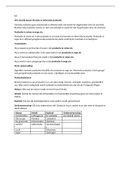
Year 10 Chemistry Revision Complete Solutions


Elements, Molecules, and Compounds


In its purest form, an element consists of atoms with the same composition. A molecule is formed when


two or more atoms, identical or different, bond together. A compound, on the other hand, is created


when two or more different atoms combine in a fixed ratio.


Atoms and Ions


The smallest particle of matter with a consistent composition is an atom. An ion is formed when an


atom loses or gains an electron, resulting in an overall charge. Isotopes are variations of elements that


have the same number of protons but differ in the number of neutrons.


Physical and Chemical Changes

, Physical changes are reversible transformations that involve a change in state. For example, solid-to-


liquid (ice to water) or solid-to-gas (dry ice to CO2 gas) transformations do not alter the molecular


structure. In contrast, chemical changes are irreversible processes that involve the formation of new


compounds with distinct properties and appearances. These changes are often marked by color


changes, fizzing or gas release, or odor emission.


Key Takeaways


* Elements are substances with identical atoms.


* Molecules are formed by combining identical or different atoms.


* Compounds result from combining different atoms in a fixed ratio.


* Atoms can become ions by gaining or losing electrons.


* Isotopes differ in neutron count despite having the same number of protons.
$10.38
Accede al documento completo:

100% de satisfacción garantizada
Inmediatamente disponible después del pago
Tanto en línea como en PDF
No estas atado a nada


Documento también disponible en un lote

Conoce al vendedor

Seller avatar
Los indicadores de reputación están sujetos a la cantidad de artículos vendidos por una tarifa y las reseñas que ha recibido por esos documentos. Hay tres niveles: Bronce, Plata y Oro. Cuanto mayor reputación, más podrás confiar en la calidad del trabajo del vendedor.
bestscores1 Kent State University
Seguir Necesitas iniciar sesión para seguir a otros usuarios o asignaturas
Vendido
12
Miembro desde
1 año
Número de seguidores
0
Documentos
1369
Última venta
2 semanas hace
ReadEase

Welcome to ReadEase, your ultimate resource for exam preparation. At ReadEase, we specialize in providing comprehensive study materials and resources to help you excel in your exams. Whether you're preparing for standardized tests, professional certifications, or academic assessments, our finely curated collection covers a wide range of subjects and levels. From practice tests and study guides to expert tips and strategies, we're here to support your journey to success. ReadEase is committed to availing high-quality educational content, helping you thrive and achieve your academic and professional goals. Have any questions? We're just a message away.

Lee mas Leer menos
4.3

4 reseñas

5
2
4
1
3
1
2
0
1
0

Recientemente visto por ti

Por qué los estudiantes eligen Stuvia

Creado por compañeros estudiantes, verificado por reseñas

Calidad en la que puedes confiar: escrito por estudiantes que aprobaron y evaluado por otros que han usado estos resúmenes.

¿No estás satisfecho? Elige otro documento

¡No te preocupes! Puedes elegir directamente otro documento que se ajuste mejor a lo que buscas.

Paga como quieras, empieza a estudiar al instante

Sin suscripción, sin compromisos. Paga como estés acostumbrado con tarjeta de crédito y descarga tu documento PDF inmediatamente.

Student with book image

“Comprado, descargado y aprobado. Así de fácil puede ser.”

Alisha Student

Preguntas frecuentes