Applied ethics.
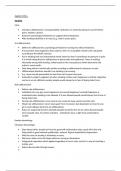
Stealing
Intro:
Introduce utilitarianism: consequentialist, hedonism: to maximise pleasures and minimise
pains, hedonic calculus.
Rooted in psychological hedonism to support ethical hedonism.
Why stealing intuitively is an issue (e.g., that it causes pain).
Act utilitarianism:
Define Act Utilitarianism: psychological hedonism moving into ethical hedonism.
If it promotes more happiness than sadness, then it’s acceptable. Needs to be calculated
according to the felicific calculus.
Act of stealing only has instrumental worth: based on how it contributes to pleasure or pain.
It is worth noting that act utilitarianism is democratic and egalitarian. There is nothing
inherently wrong with stealing. Solely based on the consequences which determine the
action’s moral worth.
Only thing which is intrinsically worthy according to utilitarianism is pleasure or pain.
Utilitarianism therefore wouldn’t say stealing is just wrong.
E.g., more morally permissible to steal from rich to give from poor.
Evaluation: people’s judgment of when stealing creates more happiness is entirely subjective
and so in an act utilitarian society people would always be in fear of being stolen from.
Rule utilitarianism
Define rule utilitarianism
Individual acts may give more happiness, but overall happiness (societal) happiness is
maximised when stealing is not allowed. If it was allowed people would always live in fear of
being stole from.
Strong rule utilitarianism: never steal in any scenarios (you cannot override rule)
Weak rule utilitarianism: never steal apart from X scenario, but dependent on how far you
go it could collapse back into act utilitarianism.
Rules are supported by harm principle (people should be free to act unless they physically
harm people). Also, his notion of justice – individual’s have a right to be protected by
society.
Kantian deontology
Introduce Deontology:
Duty-based ethics should act from the good will motivated by duty, good will is the only
thing which is good without qualification, rational. Rejects hypothetical imperatives.
Why the issue of stealing is intuitively an issue.
We have a duty not to do things which are wrong in themselves.
Categorical imperative which applied regardless of one’s ends, and isn’t a way of reaching a
further end.
Duties discoverable through reason.
, Stealing is intrinsically wrong.
1st formulation: universalisation: maxim (personal principle) “I ought to steal” becomes
“everyone ought to steal”: if everyone has a moral duty to steal there is a contradiction in
conception – loss of concept of property – nothing to steal if no one owns anything. Non-
sensical as the very concept of stealing is undermined. Hence the maxim is non-
universalizable and immoral. Leads to a perfect duty [define].
2nd formulation: don’t treat another human as a means to an end (humanity formula):
stealing undermines another’s autonomy: prevents them from achieving their own ends. It
undermines the rational dignity and respect for other humans, using them as a means to
your end as well. They don’t freely consent.
We have a perfect duty not to steal (due to contradiction in conception).
Virtue ethics
1st Paragraph: explain the theory.
The primary goal for humans according to AVE is eudaimonia (flourishing).
AVE is not concerned with the morality of individual actions, rather the virtues (character
traits and dispositions) of the agent who performs actions.
AVE mentions the function argument, showing how the purpose of humanity is to flourish. In
order to reach this goal, we must fulfil our function or distinctive characteristic ability
(reason) well, this means living a good life in accordance with reason. To do this we need to
possess the correct virtues.
AVE mentions how we use practical wisdom (phronesis) which is applying rationality to
different circumstances to know what the right action is and being able to execute that
action. The theory also relates this to the golden mean, between vices of deficiency and
excess.
To develop practical wisdom we require strong virtues, and AVE uses the skill analogy to
show how we develop virtues. We use habituation to become a master in certain virtues
(e.g., temperance)
People must accept moral responsibility for voluntary actions.
The virtue of justice in the wide sense is that which is in accordance with a just law.
2nd Paragraph: applying the issue.
Aristotle is unlikely to ever say that “stealing” is in the golden mean, where it is a virtuous
action between two vices of deficiency and excess. He may have even argued that stealing is
inherently selfish, and practical wisdom allows you to understand stealing is mostly wrong.
Reciprocity of the virtues: one must take a holistic approach when deciding which virtues to
act on, so if there is a situation where stealing satisfies the virtue of generosity, all other
virtues must be considered before deeming stealing to be morally correct.
However, a context specific argument may be that if stealing is solely based on virtues, then
it may be morally permissible (e.g., Robin Hood). However, the thief must accept moral
responsibility according to AVE.
But these scenarios are rare to find because AVE emphasises that virtuous actions are done
by virtuous people and generally these people do not steal.
AVE would also consider Aristotle’s account of justice. If one is poor due to an unjust state of
affairs (not due to anyone’s action), then doing an unjust act (stealing) is morally wrong
because the unjust state of affairs is no one’s fault, but when conducting an unjust act
Stealing
Intro:
Introduce utilitarianism: consequentialist, hedonism: to maximise pleasures and minimise
pains, hedonic calculus.
Rooted in psychological hedonism to support ethical hedonism.
Why stealing intuitively is an issue (e.g., that it causes pain).
Act utilitarianism:
Define Act Utilitarianism: psychological hedonism moving into ethical hedonism.
If it promotes more happiness than sadness, then it’s acceptable. Needs to be calculated
according to the felicific calculus.
Act of stealing only has instrumental worth: based on how it contributes to pleasure or pain.
It is worth noting that act utilitarianism is democratic and egalitarian. There is nothing
inherently wrong with stealing. Solely based on the consequences which determine the
action’s moral worth.
Only thing which is intrinsically worthy according to utilitarianism is pleasure or pain.
Utilitarianism therefore wouldn’t say stealing is just wrong.
E.g., more morally permissible to steal from rich to give from poor.
Evaluation: people’s judgment of when stealing creates more happiness is entirely subjective
and so in an act utilitarian society people would always be in fear of being stolen from.
Rule utilitarianism
Define rule utilitarianism
Individual acts may give more happiness, but overall happiness (societal) happiness is
maximised when stealing is not allowed. If it was allowed people would always live in fear of
being stole from.
Strong rule utilitarianism: never steal in any scenarios (you cannot override rule)
Weak rule utilitarianism: never steal apart from X scenario, but dependent on how far you
go it could collapse back into act utilitarianism.
Rules are supported by harm principle (people should be free to act unless they physically
harm people). Also, his notion of justice – individual’s have a right to be protected by
society.
Kantian deontology
Introduce Deontology:
Duty-based ethics should act from the good will motivated by duty, good will is the only
thing which is good without qualification, rational. Rejects hypothetical imperatives.
Why the issue of stealing is intuitively an issue.
We have a duty not to do things which are wrong in themselves.
Categorical imperative which applied regardless of one’s ends, and isn’t a way of reaching a
further end.
Duties discoverable through reason.
, Stealing is intrinsically wrong.
1st formulation: universalisation: maxim (personal principle) “I ought to steal” becomes
“everyone ought to steal”: if everyone has a moral duty to steal there is a contradiction in
conception – loss of concept of property – nothing to steal if no one owns anything. Non-
sensical as the very concept of stealing is undermined. Hence the maxim is non-
universalizable and immoral. Leads to a perfect duty [define].
2nd formulation: don’t treat another human as a means to an end (humanity formula):
stealing undermines another’s autonomy: prevents them from achieving their own ends. It
undermines the rational dignity and respect for other humans, using them as a means to
your end as well. They don’t freely consent.
We have a perfect duty not to steal (due to contradiction in conception).
Virtue ethics
1st Paragraph: explain the theory.
The primary goal for humans according to AVE is eudaimonia (flourishing).
AVE is not concerned with the morality of individual actions, rather the virtues (character
traits and dispositions) of the agent who performs actions.
AVE mentions the function argument, showing how the purpose of humanity is to flourish. In
order to reach this goal, we must fulfil our function or distinctive characteristic ability
(reason) well, this means living a good life in accordance with reason. To do this we need to
possess the correct virtues.
AVE mentions how we use practical wisdom (phronesis) which is applying rationality to
different circumstances to know what the right action is and being able to execute that
action. The theory also relates this to the golden mean, between vices of deficiency and
excess.
To develop practical wisdom we require strong virtues, and AVE uses the skill analogy to
show how we develop virtues. We use habituation to become a master in certain virtues
(e.g., temperance)
People must accept moral responsibility for voluntary actions.
The virtue of justice in the wide sense is that which is in accordance with a just law.
2nd Paragraph: applying the issue.
Aristotle is unlikely to ever say that “stealing” is in the golden mean, where it is a virtuous
action between two vices of deficiency and excess. He may have even argued that stealing is
inherently selfish, and practical wisdom allows you to understand stealing is mostly wrong.
Reciprocity of the virtues: one must take a holistic approach when deciding which virtues to
act on, so if there is a situation where stealing satisfies the virtue of generosity, all other
virtues must be considered before deeming stealing to be morally correct.
However, a context specific argument may be that if stealing is solely based on virtues, then
it may be morally permissible (e.g., Robin Hood). However, the thief must accept moral
responsibility according to AVE.
But these scenarios are rare to find because AVE emphasises that virtuous actions are done
by virtuous people and generally these people do not steal.
AVE would also consider Aristotle’s account of justice. If one is poor due to an unjust state of
affairs (not due to anyone’s action), then doing an unjust act (stealing) is morally wrong
because the unjust state of affairs is no one’s fault, but when conducting an unjust act