UNIT 10: PATHOGENS AND IMMUNITY
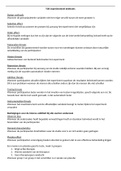
Pathogen: a disease – causing organism
Damaging cells by living in them, using up their resources
Cause harm to cells and body system by producing toxin
Transmissible disease: a disease in which the pathogen can be passed from one
host to another
Direct contact: through blood or other body fluids
Indirect contact
o Respiratory passages: pathogens are carried in the air in tiny droplets of
moisture
o Contaminated surfaces or food from animals or from air
o By vector: an organism that carries a pathogen from one host to another
Body defences
Mechanical barriers:
o Hairs in nostril trap dust that might be carrying pathogens
o Skin has thick layer of dead cells, containing keratin: difficult to penetrate
Chemical barriers:
o Sticky mucus traps pathogens, swept by Cilia back up the throat where it
can be swallowed
o Hydrochloric acid in stomach: kills bacteria
White blood cell:
o Phagocyte: carries out phagocytosis
o Lymphocyte: produce antibodies that incapacitate or directly kill the
pathogens
Vaccination: helps antibodies to be produced quickly
Food hygiene:
o Keep your own bacteria and viruses away from food
o Keep animals away, cover food from raw meat
o Keep food in the fridge
Personal hygiene
o Oil, dirt, sweat can provide breeding grounds for bacteria
o Washing regularly, using soap and shampoo
o Brush teeth twice a day, use mouthwash to avoid bad breath and tooth decay
Sewage treatment: should not be allowed to run into rivers/ sea before it has
been treated
Pathogen: a disease – causing organism
Damaging cells by living in them, using up their resources
Cause harm to cells and body system by producing toxin
Transmissible disease: a disease in which the pathogen can be passed from one
host to another
Direct contact: through blood or other body fluids
Indirect contact
o Respiratory passages: pathogens are carried in the air in tiny droplets of
moisture
o Contaminated surfaces or food from animals or from air
o By vector: an organism that carries a pathogen from one host to another
Body defences
Mechanical barriers:
o Hairs in nostril trap dust that might be carrying pathogens
o Skin has thick layer of dead cells, containing keratin: difficult to penetrate
Chemical barriers:
o Sticky mucus traps pathogens, swept by Cilia back up the throat where it
can be swallowed
o Hydrochloric acid in stomach: kills bacteria
White blood cell:
o Phagocyte: carries out phagocytosis
o Lymphocyte: produce antibodies that incapacitate or directly kill the
pathogens
Vaccination: helps antibodies to be produced quickly
Food hygiene:
o Keep your own bacteria and viruses away from food
o Keep animals away, cover food from raw meat
o Keep food in the fridge
Personal hygiene
o Oil, dirt, sweat can provide breeding grounds for bacteria
o Washing regularly, using soap and shampoo
o Brush teeth twice a day, use mouthwash to avoid bad breath and tooth decay
Sewage treatment: should not be allowed to run into rivers/ sea before it has
been treated