“The instability of the Weimar government, in the years 1919 to 1923, stemmed primarily from
the problems created by the Weimar Constitution.” Assess the validity of this view. (25 marks)
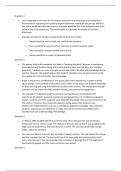
The period of 1919-1923 in Weimar Germany is characterised by chaotic and profound political
and economic change, bringing into existence both the most democratic constitution in Europe
and a fragile government, left vulnerable to the whims of a conservative and imperialist army
and judiciary system. Both the inconsistencies of the Weimar constitution and the presence of
political extremism and economic turmoil in the new Republic contributed to an unstable
atmosphere. While the German constitution had considerable failings in Article 48 and
proportional representation, political extremism and economic turmoil played an undeniably
significant role in causing instability.
Firstly, the inefficient system of proportional representation gave rise to haphazard and
inefficient coalitions, elevating anti-republican, and otherwise minor, political parties to positions
of influence, permitting, or even provoking, them to disrupt the democratic system that they
were fundamentally and ideologically against. This system of elections whereby seats were
allocated corresponding to the percentage of votes a given political party received in an
election, attempted to ensure that all political views were represented fairly in the Reichstag.
However, by the early 1920s there were approximately 70 small nationalist splinter parties,
which were racist and anti-Semitic. The proliferation of smaller parties prevented secure
majorities in the Reichstag, therefore curtailing the ability of larger parties to address issues
facing the new Republic including economic hardship, political extremism and general feelings
of bitterness and scepticism towards the new constitution and government. Post-war Germany
needed a clearer leadership, not one torn apart by unruly coalitions.
Article 48 attempted to balance the democratic values of the Republic and a need for coherent
leadership, but resulted in an ambiguous and dualistic governing style. It allowed the President
to rule by decree, bypassing the Reichstag and essentially ruling as a dictator. Although
democratic, the constitution now seemed, like much of Germany, to be clinging onto fragments
of its authoritarian past. Both the existence of Article 48 and its frequent use by Ebert, on 136
occasions, led to the disillusionment of many who had fought for a democratic constitution.
Through its contradiction, the constitution of the Weimar Republic lost the German people’s
support. The Reichstag could make no great united efforts to regain the people’s faith, due to
the inefficiency of proportional representation, another product of the new constitution.
Therefore relationship between president and Reichstag, as stipulated by the constitution,
caused uncertainty from the beginning of the Weimar Republic.
The final flaw in the constitution was the Judiciary, Civil Service and Education Establishment’s
bias towards the political right. These centres of power were largely staffed by anti-republicans
perpetuating anachronistic values and reflecting the previous imperialist authoritarianism of the
Silent Dictatorship. The position of these institutions gave them ample opportunity to undermine
the Republic. This meant that puissant conservative forces were able to exert a high degree of
influence over the daily lives of citizens of the republic. This was at odds with the provision of
extensive civil rights aimed to satisfy all elements of a modern pluralistic society. The
pro-right-wing bias was particularly apparent in the judiciary system. Out of the 354 political
assassinations committed by right-wing extremists, 326 went unpunished, no offenders were
the problems created by the Weimar Constitution.” Assess the validity of this view. (25 marks)
The period of 1919-1923 in Weimar Germany is characterised by chaotic and profound political
and economic change, bringing into existence both the most democratic constitution in Europe
and a fragile government, left vulnerable to the whims of a conservative and imperialist army
and judiciary system. Both the inconsistencies of the Weimar constitution and the presence of
political extremism and economic turmoil in the new Republic contributed to an unstable
atmosphere. While the German constitution had considerable failings in Article 48 and
proportional representation, political extremism and economic turmoil played an undeniably
significant role in causing instability.
Firstly, the inefficient system of proportional representation gave rise to haphazard and
inefficient coalitions, elevating anti-republican, and otherwise minor, political parties to positions
of influence, permitting, or even provoking, them to disrupt the democratic system that they
were fundamentally and ideologically against. This system of elections whereby seats were
allocated corresponding to the percentage of votes a given political party received in an
election, attempted to ensure that all political views were represented fairly in the Reichstag.
However, by the early 1920s there were approximately 70 small nationalist splinter parties,
which were racist and anti-Semitic. The proliferation of smaller parties prevented secure
majorities in the Reichstag, therefore curtailing the ability of larger parties to address issues
facing the new Republic including economic hardship, political extremism and general feelings
of bitterness and scepticism towards the new constitution and government. Post-war Germany
needed a clearer leadership, not one torn apart by unruly coalitions.
Article 48 attempted to balance the democratic values of the Republic and a need for coherent
leadership, but resulted in an ambiguous and dualistic governing style. It allowed the President
to rule by decree, bypassing the Reichstag and essentially ruling as a dictator. Although
democratic, the constitution now seemed, like much of Germany, to be clinging onto fragments
of its authoritarian past. Both the existence of Article 48 and its frequent use by Ebert, on 136
occasions, led to the disillusionment of many who had fought for a democratic constitution.
Through its contradiction, the constitution of the Weimar Republic lost the German people’s
support. The Reichstag could make no great united efforts to regain the people’s faith, due to
the inefficiency of proportional representation, another product of the new constitution.
Therefore relationship between president and Reichstag, as stipulated by the constitution,
caused uncertainty from the beginning of the Weimar Republic.
The final flaw in the constitution was the Judiciary, Civil Service and Education Establishment’s
bias towards the political right. These centres of power were largely staffed by anti-republicans
perpetuating anachronistic values and reflecting the previous imperialist authoritarianism of the
Silent Dictatorship. The position of these institutions gave them ample opportunity to undermine
the Republic. This meant that puissant conservative forces were able to exert a high degree of
influence over the daily lives of citizens of the republic. This was at odds with the provision of
extensive civil rights aimed to satisfy all elements of a modern pluralistic society. The
pro-right-wing bias was particularly apparent in the judiciary system. Out of the 354 political
assassinations committed by right-wing extremists, 326 went unpunished, no offenders were