STUDY NOTE 6 for PYC3705
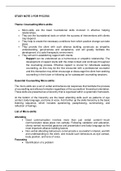
Theme: Ethical approaches
Normative approach
Normative ethic approach is concerned with criteria of what is morally right and wrong. It includes the
formulation of moral rules that have direct implications for what human actions, institutions, and ways of life
should be like.
The central question of normative ethics is determining how basic moral standards are arrived at and
justified.
Directs behaviour according to a certain set of norms and values
Treat all people with respect irrespective of benefit
Norms and values linked to a code of conduct, religion or philosophy
Is characteristic of the person
Stifles ethical thinking
Does not invite to think but to follow a rule
Either ethical of unethical not human being with ethical dilemmas
If you do not follow rules something disastrous will happen
Universal and absolute
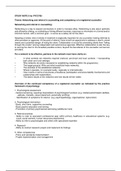
Relational approach
The basic premise of relational ethics is that ethical decisions/actions are made within the context of a
relationship. To understand engagement from a relational ethic perspective counsellors must reshape the
traditional understanding of the self as an independent and autonomous entity. To establish an engaged
relationship counsellors must position themselves with the other. Engagement requires an understanding
of the complexity of each situation, each person’s perspective, and each person’s vulnerabilities. This
presumption is based on the belief that engagement is not an autonomous or individualistic activity. Again,
this is a result of the premise that individuals do not exist in isolation – the self is embodied. The self is a
product of the relationship with others. Relational ethics requires that counsellors not imagine themselves
in the place of their clients; they must identify the unique needs, talents, and capacities of their clients.
When counsellors put themselves in the place of their clients, this type of “imagining” maintains the
dichotomy between the counsellor and the client. This type of empathy discounts the phenomenological
experience of the client. For example, if the counsellor imagined him/herself in a client’s position, ascribed
her own values, and believes to the client’s experiences the counsellor would ask him / herself the following
questions – Would I want to be readmitted to psychiatric hospital? Would I want someone that I had called
to return my telephone calls? Are the side effects of this medication worse than being psychotic? All of
these questions assume an individualistic existence of self and represent an unengaged relationship. From
a relational ethic standpoint a relationally engaged counsellor would ask – How can I better understand
what my client wants? How can I assist my client in achieving her goals? Does my client think being a bit
psychotic all the time is ok?
Aspects of relational ethics:
Considering the effects of particular actions in particular contexts
Combines relationship and ethics into a multidimensional concept
There is a complex medium through which decisions and interactions associated with a
Theme: Ethical approaches
Normative approach
Normative ethic approach is concerned with criteria of what is morally right and wrong. It includes the
formulation of moral rules that have direct implications for what human actions, institutions, and ways of life
should be like.
The central question of normative ethics is determining how basic moral standards are arrived at and
justified.
Directs behaviour according to a certain set of norms and values
Treat all people with respect irrespective of benefit
Norms and values linked to a code of conduct, religion or philosophy
Is characteristic of the person
Stifles ethical thinking
Does not invite to think but to follow a rule
Either ethical of unethical not human being with ethical dilemmas
If you do not follow rules something disastrous will happen
Universal and absolute
Relational approach
The basic premise of relational ethics is that ethical decisions/actions are made within the context of a
relationship. To understand engagement from a relational ethic perspective counsellors must reshape the
traditional understanding of the self as an independent and autonomous entity. To establish an engaged
relationship counsellors must position themselves with the other. Engagement requires an understanding
of the complexity of each situation, each person’s perspective, and each person’s vulnerabilities. This
presumption is based on the belief that engagement is not an autonomous or individualistic activity. Again,
this is a result of the premise that individuals do not exist in isolation – the self is embodied. The self is a
product of the relationship with others. Relational ethics requires that counsellors not imagine themselves
in the place of their clients; they must identify the unique needs, talents, and capacities of their clients.
When counsellors put themselves in the place of their clients, this type of “imagining” maintains the
dichotomy between the counsellor and the client. This type of empathy discounts the phenomenological
experience of the client. For example, if the counsellor imagined him/herself in a client’s position, ascribed
her own values, and believes to the client’s experiences the counsellor would ask him / herself the following
questions – Would I want to be readmitted to psychiatric hospital? Would I want someone that I had called
to return my telephone calls? Are the side effects of this medication worse than being psychotic? All of
these questions assume an individualistic existence of self and represent an unengaged relationship. From
a relational ethic standpoint a relationally engaged counsellor would ask – How can I better understand
what my client wants? How can I assist my client in achieving her goals? Does my client think being a bit
psychotic all the time is ok?
Aspects of relational ethics:
Considering the effects of particular actions in particular contexts
Combines relationship and ethics into a multidimensional concept
There is a complex medium through which decisions and interactions associated with a