STUDY NOTE 8 for PYC3705
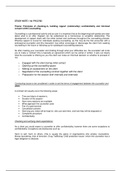
Theme: Objectives of a lay counsellor
Lay counsellors provide important services to people in distress. They bring their empathy, listening ear
and natural helping abilities to their role. Lay counsellors often meet help-seekers at important moments
of their lives. They can help in giving comfort, listening, helping people to make informed decisions and
making referrals to other services or professional support.
Lay counsellors fit within a system of support. Lay counsellors may work in ‘community and family
support’. Basic services and security necessary for wellbeing of all persons are food, shelter, water and
health care. If these basic needs are disrupted, a lay counsellor may help distressed people connect with
these kinds of services
The place of the lay counsellor in respect to other support staff is important for everyone to understand so
that the system works smoothly and the lay counsellor knows their role vis-à-vis professional support
staff.
Key points about lay counselling:
A lay counsellor does not make decisions for the help-seeker, but rather listens without judgment,
provides comfort and assists, supports and empowers a person in a critical life situation to make
their own informed decisions.
A lay counsellor listens and provides information.
A lay counsellor helps people to prioritise their problems and to weigh the pros and cons of their
decisions.
A lay counsellor assists the person by referring them to other services, when needed.
Ethics, values and prejudice:
As a lay counsellor, it is important to be aware of one’s own – and other people’s - values, norms and
expectations, particularly what each person defines as acceptable and unacceptable behaviour. This lays
the foundation for a respectful relationship with help-seekers of different backgrounds and is essential for
the lay counsellor to be able to provide effective support.
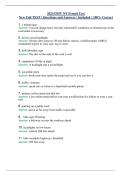
As a lay counsellor, do As a lay counsellor, do not:
• give emotional and practical support • break the rule of confidentiality
• listen and provide comfort to distressed people • tell another person what to do or how to solve
• facilitate self-help problems
• give the information that is needed by the help‐seeker • probe too deeply
• help people to access basic needs • show disrespect
• refer to more specialized care if needed • act as a psychotherapist
• help people to make decisions and to solve problems • give promises that you cannot keep
• act with the help-seeker but do not act for him/her
Theme: Objectives of a lay counsellor
Lay counsellors provide important services to people in distress. They bring their empathy, listening ear
and natural helping abilities to their role. Lay counsellors often meet help-seekers at important moments
of their lives. They can help in giving comfort, listening, helping people to make informed decisions and
making referrals to other services or professional support.
Lay counsellors fit within a system of support. Lay counsellors may work in ‘community and family
support’. Basic services and security necessary for wellbeing of all persons are food, shelter, water and
health care. If these basic needs are disrupted, a lay counsellor may help distressed people connect with
these kinds of services
The place of the lay counsellor in respect to other support staff is important for everyone to understand so
that the system works smoothly and the lay counsellor knows their role vis-à-vis professional support
staff.
Key points about lay counselling:
A lay counsellor does not make decisions for the help-seeker, but rather listens without judgment,
provides comfort and assists, supports and empowers a person in a critical life situation to make
their own informed decisions.
A lay counsellor listens and provides information.
A lay counsellor helps people to prioritise their problems and to weigh the pros and cons of their
decisions.
A lay counsellor assists the person by referring them to other services, when needed.
Ethics, values and prejudice:
As a lay counsellor, it is important to be aware of one’s own – and other people’s - values, norms and
expectations, particularly what each person defines as acceptable and unacceptable behaviour. This lays
the foundation for a respectful relationship with help-seekers of different backgrounds and is essential for
the lay counsellor to be able to provide effective support.
As a lay counsellor, do As a lay counsellor, do not:
• give emotional and practical support • break the rule of confidentiality
• listen and provide comfort to distressed people • tell another person what to do or how to solve
• facilitate self-help problems
• give the information that is needed by the help‐seeker • probe too deeply
• help people to access basic needs • show disrespect
• refer to more specialized care if needed • act as a psychotherapist
• help people to make decisions and to solve problems • give promises that you cannot keep
• act with the help-seeker but do not act for him/her