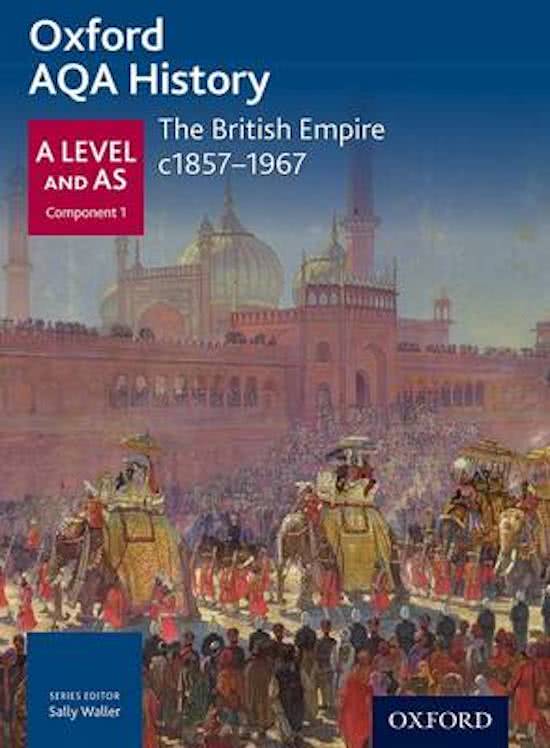
9: Trade and Commerce
Cost vs Benefit In 1890 there was a general assumption that the Empire made Britain wealthy. Cost of
Empire was something Gladstone's Liberals were concerned about and there were
some radical critics who argued that the Empire was not as beneficial as most people
believed. By 1914, a few more people began to question whether the cost of Empire
were entirely justified
Benefit of Empire allowed Britain to prevent/control colonial industries - reducing international
Empire competition. The use of a common language and the fixed exchange rates to the
sterling facilitated trade with Britain and its colonies because it was simpler. Many parts
of the Empire e.g. White Dominions and India were self-financing, being run by taxation
Evidence of Britain was a predominantly industrial society so it expected the colonies to supply food
Benefit - for a population which was outgrowing the capacity of domestic agriculture. e.g.
Imports imported vast quantities of wheat/beef from Canada and lamb/dairy products from
New Zealand. This trading supply was considered safe and stable. Britain's
manufacturing industries sourced raw materials from Empire e.g. cotton, wool, timber,
cocoa, tea and palm oil which supported home industries and meant that
manufactured goods could be sold on for profit
Evidence of Britain had a lot of trade with Empire, the relationship between export and import prices
Benefit – moved about 10% in Britain's favour between 1870-1914. As Empire grew British exports to
Exports Empire increased from 21.2% in 1871-75 to 37.2% in 1913. India alone took 20% of Britain's
total exports, worth £150 million to business by 1914. British breweries gained from
colonial trade and some beers were specifically developed for colonial conditions e.g.
India Pale Ale. Colonial governments bought imports (including expensive railway
equipment) from Britain because it was simpler and because they felt it was their duty.
Evidence of Transport companies gained because steamships were the main carriers of goods and
Benefit – people across the empire. Orders from British shipbuilders expanded and railway
Commerce companies gained huge profits from the growth of Empire e.g. the Ugandan Railway,
and the maintenance of Empire as the railways in India continued to expand.
Evidence of 40% of British investment overseas took place in Empire because they were considered
Benefit – safe. By 1914 Britain had invested twice the amount of the French and 3 times that of
Investment Germany overseas. This invisible trade grew rapidly until 1914.
Lack of Benefit Empire was not the main source of Britain's trade, only 24.9% of British imports came from
the colonies and 37.2% of exports went to the colonies by 1913. Trade with the Empire
remained static but other trade was growing and manufacturing exports, in particular,
grew much more slowly after 1870. Growing nationalism in the Empire sometimes led to
that trade being damaged e.g. in India, which took 20% of British exports, there were
strikes and boycotts of British goods in 1905, showing how this trade which was
considered 'safe' was in fact becoming volatile
Evidence Foodstuffs that Britain needed mostly came from non-colonial countries e.g. Britain
against Benefit imported 17.2 million hundredweight per year of wheat from Russia and 30.7 million
- Imports (which was almost 10 times that of Canada) from the USA. Furthermore, cheap colonial
food helped to reduce the profitability of British farm produce. Some cheap imperial
products prevented the British from developing its scientific enterprises which proved
damaging, in the long run, e.g. while the French, Russians and Germans developed
synthetic alternatives to rubber, Britain simply relied on its supplies from Africa and Asia.
Evidence Some growth of the Empire in this period was expensive to secure but offered little return
against Benefit in terms of trade e.g. the whole of Tropical Africa only amounted to 1.2% of British trade
– Expense and The Boer War on 1899-1902 cost Britain a huge £250 million, some believed mine
owners had tricked Britain into fighting the Boers to preserve their own profits. Within
Britain, the middle classes faced an increased tax burden, partly because of the
maintenance and defence of the empire. Some argued that if the middle classes had
less tax to pay, then they would've modernised their equipment better and perhaps
paid their workers more.
Evidence British investment overseas was expanding in non-colonial areas as well e.g. in the USA.
against Benefit This was considered riskier but could be much more profitable. The benefits of overseas
- Investment investment were not felt by the majority of people.
Investment in British investment doubled from £2 bn to £4bn between 1900 and 1913, not all of this was
Empire in Empire. Far more British capital went to the USA and India, and the disparity increased.
Investment in Empire was regarded as safe, but loans to foreign nations might provide
bigger returns. Investment in Empire was also considered dangerous as it might be used
to develop rival manufactures e.g. Indian cotton mills.
Cost vs Benefit In 1890 there was a general assumption that the Empire made Britain wealthy. Cost of
Empire was something Gladstone's Liberals were concerned about and there were
some radical critics who argued that the Empire was not as beneficial as most people
believed. By 1914, a few more people began to question whether the cost of Empire
were entirely justified
Benefit of Empire allowed Britain to prevent/control colonial industries - reducing international
Empire competition. The use of a common language and the fixed exchange rates to the
sterling facilitated trade with Britain and its colonies because it was simpler. Many parts
of the Empire e.g. White Dominions and India were self-financing, being run by taxation
Evidence of Britain was a predominantly industrial society so it expected the colonies to supply food
Benefit - for a population which was outgrowing the capacity of domestic agriculture. e.g.
Imports imported vast quantities of wheat/beef from Canada and lamb/dairy products from
New Zealand. This trading supply was considered safe and stable. Britain's
manufacturing industries sourced raw materials from Empire e.g. cotton, wool, timber,
cocoa, tea and palm oil which supported home industries and meant that
manufactured goods could be sold on for profit
Evidence of Britain had a lot of trade with Empire, the relationship between export and import prices
Benefit – moved about 10% in Britain's favour between 1870-1914. As Empire grew British exports to
Exports Empire increased from 21.2% in 1871-75 to 37.2% in 1913. India alone took 20% of Britain's
total exports, worth £150 million to business by 1914. British breweries gained from
colonial trade and some beers were specifically developed for colonial conditions e.g.
India Pale Ale. Colonial governments bought imports (including expensive railway
equipment) from Britain because it was simpler and because they felt it was their duty.
Evidence of Transport companies gained because steamships were the main carriers of goods and
Benefit – people across the empire. Orders from British shipbuilders expanded and railway
Commerce companies gained huge profits from the growth of Empire e.g. the Ugandan Railway,
and the maintenance of Empire as the railways in India continued to expand.
Evidence of 40% of British investment overseas took place in Empire because they were considered
Benefit – safe. By 1914 Britain had invested twice the amount of the French and 3 times that of
Investment Germany overseas. This invisible trade grew rapidly until 1914.
Lack of Benefit Empire was not the main source of Britain's trade, only 24.9% of British imports came from
the colonies and 37.2% of exports went to the colonies by 1913. Trade with the Empire
remained static but other trade was growing and manufacturing exports, in particular,
grew much more slowly after 1870. Growing nationalism in the Empire sometimes led to
that trade being damaged e.g. in India, which took 20% of British exports, there were
strikes and boycotts of British goods in 1905, showing how this trade which was
considered 'safe' was in fact becoming volatile
Evidence Foodstuffs that Britain needed mostly came from non-colonial countries e.g. Britain
against Benefit imported 17.2 million hundredweight per year of wheat from Russia and 30.7 million
- Imports (which was almost 10 times that of Canada) from the USA. Furthermore, cheap colonial
food helped to reduce the profitability of British farm produce. Some cheap imperial
products prevented the British from developing its scientific enterprises which proved
damaging, in the long run, e.g. while the French, Russians and Germans developed
synthetic alternatives to rubber, Britain simply relied on its supplies from Africa and Asia.
Evidence Some growth of the Empire in this period was expensive to secure but offered little return
against Benefit in terms of trade e.g. the whole of Tropical Africa only amounted to 1.2% of British trade
– Expense and The Boer War on 1899-1902 cost Britain a huge £250 million, some believed mine
owners had tricked Britain into fighting the Boers to preserve their own profits. Within
Britain, the middle classes faced an increased tax burden, partly because of the
maintenance and defence of the empire. Some argued that if the middle classes had
less tax to pay, then they would've modernised their equipment better and perhaps
paid their workers more.
Evidence British investment overseas was expanding in non-colonial areas as well e.g. in the USA.
against Benefit This was considered riskier but could be much more profitable. The benefits of overseas
- Investment investment were not felt by the majority of people.
Investment in British investment doubled from £2 bn to £4bn between 1900 and 1913, not all of this was
Empire in Empire. Far more British capital went to the USA and India, and the disparity increased.
Investment in Empire was regarded as safe, but loans to foreign nations might provide
bigger returns. Investment in Empire was also considered dangerous as it might be used
to develop rival manufactures e.g. Indian cotton mills.