ROSH REVIEW Emergency Medicine Questions And Answers Complete Study Solutions
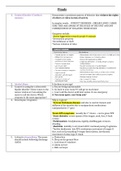
: What is the name for an intra-articular fracture at the base of the thumb metacarpal with associated dislocation or subluxation at the carpometacarpal joint? - Bennett's fracture. 1st degree HRT block - 27-year-old previously healthy man comes to the ED with chest pain. He had a viral syndrome with lowgrade fever a few days earlier. He describes the chest pain as sharp, retrosternal in location, with radiation to the left trapezius ridge. It improves with sitting forward and worsens when he lays down. Vital signs are normal. His electrocardiogram is shown above. Which of the following treatments is most appropriate? Administration of aspirin and emergent cardiac catheterization Administration of ibuprofen and discharge home Hospital admission for cardiac monitoring and serial cardiac enzymes Prescription for azithromycin and discharge home - Correct Answer ( B ) Explanation: The patient has acute pericarditis. Pericarditis refers to inflammation of the pericardial sac. Classic symptoms include precordial or retrosternal sharp and stabbing chest pain, sometime with radiation to the trapezius ridge or left arm. Patients may report that pain is worsened in the supine position and improved by sitting up and leaning forward. Associated symptoms may include low grade fever, dyspnea, and cough. A pericardial friction rub is specific for pericarditis, but often absent. Characteristic ECG changes of pericarditis include diffuse ST segment elevation and PR segment depression. Pericarditis can be caused by infections (viral, bacterial, and fungal), systemic inflammatory disorders (rheumatoid arthritis, systemic lupus erythematosus, scleroderma, etc.), uremia, malignancies (particularly leukemia, lymphoma, and metastatic breast and lung cancer), or iatrogenic or idiopathic. The treatment of pericarditis depends on the underlying cause. When viral infection is suspected, treatment is supportive with nonsteroidal antiinflammatory medications. Therefore, administration of ibuprofen and discharge home is 32-year-old Nigerian man presents to the Emergency Department for blurry vision. He immigrated to the United States six months ago. He was diagnosed with a "lung disease" and was prescribed several medications in Nigeria. Which of the following agents is most likely responsible for his symptoms?Ethambutol Isoniazid Pyrazinamide Rifampin - Correct Answer ( A ) Explanation: Ethambutol is an antitubercular medication whose side effect profile includes optic neuritis and redgreen color blindness. It is a component of the first-line "RIPE" therapy: rifampin, isoniazid, pyrazinamide and ethambutol. The four-drug therapy is for active tuberculosis, and initial treatment lasts for 4 weeks. This is followed by a two-drug regimen (typically isoniazid and rifampin) for an additional 18-31 weeks. Isoniazid (B) classically causes hepatotoxicity or hepatitis. Patients with HIV, alcohol abuse, underlying liver disease or pregnancy may be at increased risk. Pyrazinamide (C) may cause hepatitis, arthralgias, or hyperuricemia. Rifampin (D) can cause thrombocytopenia, hepatitis, GI disturbances, or body fluid discoloration (classically orange). 32-year-old woman presents with progressive fatigue, shortness of breath and chest discomfort that has worsened over the last two days. She had a mild upper respiratory infection last week but otherwise denies any significant past medical history. She does not take any medications and denies any illicit drug use. On examination, she has a temperature 37.9ºC, heart rate 132 beats per minute, respiratory rate 16 breaths per minute, and oxygen saturation 98% on room air. Lungs are clear to auscultation. Chest radiograph demonstrates mild cardiomegaly without infiltrates. Electrocardiogram shows sinus tachycardia with nonspecific ST segment and T wave changes. Troponin is 0.25 ng/mL. What is the likely cause of her symptoms? Acute coronary artery thrombosis Community acquired pneumonia Myocarditis Pulmonary embolism - Correct Answer ( C ) Explanation: This patient has findings concerning for myocarditis, an inflammatory disease of the myocardium. In developed countries, viruses are most frequently implicated (e.g., enteroviruses, parvovirus B19, herpes virus 6) but it can also be caused by bacteria, fungi, protozoa and helminths. Presentation is variabledepending on the etiology and stage of disease. Fatigue, fever, chest discomfort, dyspnea and palpitations are common presenting complaints in adults. Patients with advanced disease may present with dysrhythmias, heart failure, and cardiogenic shock. On physical exam, there may be tachycardia that is disproportionate to fever or discomfort, an S3 or S4 gallop, and signs of fluid overload. As pericarditis often occurs concomitantly with myocarditis, a friction rub may be heard. The electrocardiogram is often abnormal, with changes including sinus tachycardia and widened QRS interval. There may be regional ST elevations that mimic acute myocardial infarction. Findings suggestive of pericarditis (e.g., diffuse ST elevation with PR segment depression) may also be present. Troponin, erythrocyte sedimentation rate and white blood cell count may also be elevated but are not diagnostic. Echocardiogram will show decreased ventricular ejection fraction with hypokinesis and wall motion abnormalities. Endomyocardial biopsy has long been the gold standard for diagnosis but is being replaced with cardiovascular magnetic imaging. 45-year-old woman presents to the emergency department with palpitations. She is placed on the monitor which shows a rapid narrow-complex tachycardia. Her heart rate is 160 bpm and blood pressure is 120/70 mm Hg. Vagal maneuvers are attempted and fail. Next, adenosine 6 mg IV is given intravenously without change in her rhythm. Repeat vitals show a heart rate 165 bpm and blood pressure 120/70 mm Hg. What is the most appropriate next step in management? Adenosine 12 mg intravenous Adenosine 6 mg intravenous Synchronized cardioversion Vagal maneuvers - Correct Answer ( A ) Explanation:
Escuela, estudio y materia
- Institución
- ROSH Emergency Medicine
- Grado
- ROSH Emergency Medicine
Información del documento
- Subido en
- 13 de junio de 2024
- Número de páginas
- 146
- Escrito en
- 2023/2024
- Tipo
- Examen
- Contiene
- Preguntas y respuestas
Temas
-
rosh emergency medicine

Documento también disponible en un lote