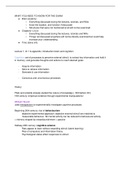
Summary #6 conflict
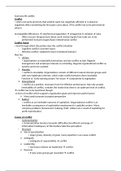
Conflict
= when one party perceives that another party has negatively affected or is about to
negatively affect something the first party cares about. (This conflict has to be perceived by
others)
Incompatible differences interference/opposition antagonism & violation of rules
- Often concern disagreement about work conduct/goals/how tasks are to be
performed/ bonuses/wages/basic interpersonal conflict
Conflict frame
= lens through which the parties view the conflict situation
- Cognitive conflict: concrete issues
- Affective conflict: subjective issues (emotional domain)
Alan fox.
1. Unitary
= organizations as essentially harmonious and any conflict as bad. Regards
management and employee interests as coinciding. Regards organizational conflict as
harmful and to be avoided.
2. Pluralist
= conflict is inevitable. Organizations consists of different natural interest groups each
with own legitimate interests, which make conflict between them inevitable.
Function as ‘early warning system’ for issues compromise & negotiation
3. Interactionist
= conflict as a positive, necessary force for effective performance. Not only accepts
inevitability of conflict, contains the notion that there is an optimum level of conflict.
conflict has to be functional though.
: A form of conflict which supports organization goals and improves performance
Most used/common/accepted perspective
4. Radical
= conflict as an inevitable outcome of capitalism. Organizational conflict is an
inevitable consequence of exploitative employment in capitalist system. Many
company problems (harassment, bullying, theft, strikes) are a result of exploiting for
profit maximization.
Causes of conflict
- Communication
= Communication barriers/semantic difficulties/insufficient exchange of
information/inadequacy of information/selective perception
- Structure
Size & specialization
= larger group, diversity of goals, many expertise’s can cause conflict
Ambiguity
= ambiguity of responsibility conflict
Leadership
= too heavy reliance on leadership conflict
Rewards
= if only some groups get rewarded conflict
, Interdependency
= little trust/interdependency conflict
Changes to structure & process
= fundamental change to structure, systems, procedures (e.g.; downsizing)
negative perception conflict
- Personal factors
Low self-esteem
= conflict within self
High authoritarian/dogmatic personality
Sexual harassment/bullying
Coordination of conflict model
= organizes the theories and research findings into a framework that explains how conflict in
organizations arises and how it might be managed
Organizing = process of breaking up a single task and dividing it among different
departments, groups or individuals creates conditions in which conflict can potentially
arise
- Goals may not be complementary
- One may self as more vital than others (to the organization)
- Absence of coordination of interdependent groups/people
- Different time perspectives conflict
- Claim or reject authority
- Unfair distribution of personnel/recourses/money
Coordinating
= ensuring that the previously divided tasks are brought together in the right way and at the
right time. synchronizing different aspects of the work process
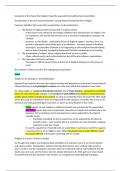
Conflict
= when one party perceives that another party has negatively affected or is about to
negatively affect something the first party cares about. (This conflict has to be perceived by
others)
Incompatible differences interference/opposition antagonism & violation of rules
- Often concern disagreement about work conduct/goals/how tasks are to be
performed/ bonuses/wages/basic interpersonal conflict
Conflict frame
= lens through which the parties view the conflict situation
- Cognitive conflict: concrete issues
- Affective conflict: subjective issues (emotional domain)
Alan fox.
1. Unitary
= organizations as essentially harmonious and any conflict as bad. Regards
management and employee interests as coinciding. Regards organizational conflict as
harmful and to be avoided.
2. Pluralist
= conflict is inevitable. Organizations consists of different natural interest groups each
with own legitimate interests, which make conflict between them inevitable.
Function as ‘early warning system’ for issues compromise & negotiation
3. Interactionist
= conflict as a positive, necessary force for effective performance. Not only accepts
inevitability of conflict, contains the notion that there is an optimum level of conflict.
conflict has to be functional though.
: A form of conflict which supports organization goals and improves performance
Most used/common/accepted perspective
4. Radical
= conflict as an inevitable outcome of capitalism. Organizational conflict is an
inevitable consequence of exploitative employment in capitalist system. Many
company problems (harassment, bullying, theft, strikes) are a result of exploiting for
profit maximization.
Causes of conflict
- Communication
= Communication barriers/semantic difficulties/insufficient exchange of
information/inadequacy of information/selective perception
- Structure
Size & specialization
= larger group, diversity of goals, many expertise’s can cause conflict
Ambiguity
= ambiguity of responsibility conflict
Leadership
= too heavy reliance on leadership conflict
Rewards
= if only some groups get rewarded conflict
, Interdependency
= little trust/interdependency conflict
Changes to structure & process
= fundamental change to structure, systems, procedures (e.g.; downsizing)
negative perception conflict
- Personal factors
Low self-esteem
= conflict within self
High authoritarian/dogmatic personality
Sexual harassment/bullying
Coordination of conflict model
= organizes the theories and research findings into a framework that explains how conflict in
organizations arises and how it might be managed
Organizing = process of breaking up a single task and dividing it among different
departments, groups or individuals creates conditions in which conflict can potentially
arise
- Goals may not be complementary
- One may self as more vital than others (to the organization)
- Absence of coordination of interdependent groups/people
- Different time perspectives conflict
- Claim or reject authority
- Unfair distribution of personnel/recourses/money
Coordinating
= ensuring that the previously divided tasks are brought together in the right way and at the
right time. synchronizing different aspects of the work process