SPLH 620- EXAM
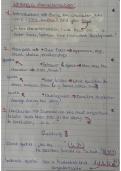
What does the nervous system do? - ANS-1. controls and coordinates all body functions
2. senses and interprets information from outside the body
3. transmits info
4. integrate info
5. generate comands
Parts of a neuron - ANS--cell body
-dendrite
-axon
Cell body (soma) - ANS-integrates signal
Dendrites - ANS-a neuron's bushy, branching extensions that receive messages and
conduct impulses toward the cell body
Axons - ANS-a part of a neuron that carries impulses away from the cell body
Neurons are used for: - ANS-message transmission
CNS - ANS-brain and spinal cord
PNS - ANS-somatic nervous system & autonomic nervous system
Anatomical directions - directional - ANS--anterior (rostral)
-posterior (caudal)
-ventral (inferior)
-dorsal (superior)
anterior (rostral); posterior (caudal) - ANS-
ventral/inferior - ANS-
Dorsal - ANS-
Anatomical directions- location in brain - ANS--ipsilateral (1 side)
-contralateral (both sides)
,Anatomical directions- direction of function - ANS--afferent
-efferent
Anatomical Planes - ANS-1. coronal (vertical cut into front and back halves)
2. transverse (horizontal cut into upper and lower)
3. sagittal (vertical cut into left and right halves)
coronal plane - ANS-
transverse plane - ANS-
sagittal plane - ANS-
Cell types in CNS - ANS--neurons: information cells
-glia: support cells
types of glial cells - ANS--astrocytes
-microglia
-oligodendrocytes
-Schwann cells
Astrocytes - ANS--located in CNS
-glial cell that provides support, nutrition, and assists with the signaling of neurons.
Microglia - ANS--located in CNS
-immune cells
Oligodendroglia - ANS--located in CNS
-glial cell that produces myelin sheath to help speed up conduction
-produce myelin for multiple axons
Schwann cells - ANS--located in PNS
-Supporting cells of the PNS responsible for the formation of myelin.
-produce myelin for 1 axon
Myelin - ANS-80% liquid & 20% protein
Myelination - ANS--the process by which axons become coated with myelin, a fatty
substance that speeds the transmission of nerve impulses from neuron to neuron
, -helps keep the impulse strong & fast
Nodes of Ranvier - ANS--gaps in the myelin sheath
-causes the impulse to "jump" from node-to-node & travel more quickly
Having undamaged (healthy) myelin... - ANS-this allows electrical impulses to transmit
info quickly along the nerve fibers
Having damaged myelin... - ANS-makes it more difficult to get a signal quick & clear
from the brain & get it sent to the correct body part... overall makes the impulses slower
& less efficient
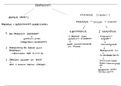
types of neurons - ANS--sensory
-motor
-interneurons
sensory neurons - ANS--afferent
-detects changes in the environment & sends info to CNS
motor neurons - ANS--efferent
-neurons that carry signals from the spinal cord to the muscles to produce movement
Interneurons - ANS--neurons located entirely in CNS that communicate internally and
intervene between the sensory inputs and motor outputs
neuron signaling - ANS--electrical
-chemical
electrical signaling - ANS--information flows through neurons
-AP is conducted inside the axon
-the speed of the signal depends on axon diameter & myelination
steps during electrical signaling - ANS-1. dendrites collect the electrical signal/ site of
most synaptic inputs
2. cell body integrates the incoming signal (from dendrites) & sends a signal to the axon
3. axons conduct the AP & send them toward other neurons
chemical signaling - ANS-neurotransmitters bind to chemically gated channel-linked
receptors in nerve and muscle tissue
What does the nervous system do? - ANS-1. controls and coordinates all body functions
2. senses and interprets information from outside the body
3. transmits info
4. integrate info
5. generate comands
Parts of a neuron - ANS--cell body
-dendrite
-axon
Cell body (soma) - ANS-integrates signal
Dendrites - ANS-a neuron's bushy, branching extensions that receive messages and
conduct impulses toward the cell body
Axons - ANS-a part of a neuron that carries impulses away from the cell body
Neurons are used for: - ANS-message transmission
CNS - ANS-brain and spinal cord
PNS - ANS-somatic nervous system & autonomic nervous system
Anatomical directions - directional - ANS--anterior (rostral)
-posterior (caudal)
-ventral (inferior)
-dorsal (superior)
anterior (rostral); posterior (caudal) - ANS-
ventral/inferior - ANS-
Dorsal - ANS-
Anatomical directions- location in brain - ANS--ipsilateral (1 side)
-contralateral (both sides)
,Anatomical directions- direction of function - ANS--afferent
-efferent
Anatomical Planes - ANS-1. coronal (vertical cut into front and back halves)
2. transverse (horizontal cut into upper and lower)
3. sagittal (vertical cut into left and right halves)
coronal plane - ANS-
transverse plane - ANS-
sagittal plane - ANS-
Cell types in CNS - ANS--neurons: information cells
-glia: support cells
types of glial cells - ANS--astrocytes
-microglia
-oligodendrocytes
-Schwann cells
Astrocytes - ANS--located in CNS
-glial cell that provides support, nutrition, and assists with the signaling of neurons.
Microglia - ANS--located in CNS
-immune cells
Oligodendroglia - ANS--located in CNS
-glial cell that produces myelin sheath to help speed up conduction
-produce myelin for multiple axons
Schwann cells - ANS--located in PNS
-Supporting cells of the PNS responsible for the formation of myelin.
-produce myelin for 1 axon
Myelin - ANS-80% liquid & 20% protein
Myelination - ANS--the process by which axons become coated with myelin, a fatty
substance that speeds the transmission of nerve impulses from neuron to neuron
, -helps keep the impulse strong & fast
Nodes of Ranvier - ANS--gaps in the myelin sheath
-causes the impulse to "jump" from node-to-node & travel more quickly
Having undamaged (healthy) myelin... - ANS-this allows electrical impulses to transmit
info quickly along the nerve fibers
Having damaged myelin... - ANS-makes it more difficult to get a signal quick & clear
from the brain & get it sent to the correct body part... overall makes the impulses slower
& less efficient
types of neurons - ANS--sensory
-motor
-interneurons
sensory neurons - ANS--afferent
-detects changes in the environment & sends info to CNS
motor neurons - ANS--efferent
-neurons that carry signals from the spinal cord to the muscles to produce movement
Interneurons - ANS--neurons located entirely in CNS that communicate internally and
intervene between the sensory inputs and motor outputs
neuron signaling - ANS--electrical
-chemical
electrical signaling - ANS--information flows through neurons
-AP is conducted inside the axon
-the speed of the signal depends on axon diameter & myelination
steps during electrical signaling - ANS-1. dendrites collect the electrical signal/ site of
most synaptic inputs
2. cell body integrates the incoming signal (from dendrites) & sends a signal to the axon
3. axons conduct the AP & send them toward other neurons
chemical signaling - ANS-neurotransmitters bind to chemically gated channel-linked
receptors in nerve and muscle tissue