

QUESTION 1
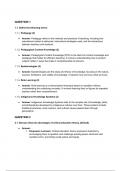
1.1. Define the following terms:
1.1.1. Pedagogy (2)
● Answer: Pedagogy refers to the methods and practices of teaching, including how
educational content is delivered, instructional strategies used, and the interactions
between teachers and students.
1.1.2. Pedagogical Content Knowledge (2)
● Answer: Pedagogical Content Knowledge (PCK) is the blend of content knowledge and
pedagogy that makes for effective teaching. It involves understanding how to present
subject matter in ways that make it comprehensible to learners.
1.1.3. Epistemologies (2)
● Answer: Epistemologies are the study and theory of knowledge, focusing on the nature,
sources, limitations, and validity of knowledge. It explores how we know what we know.
1.1.4. Rote Learning (2)
● Answer: Rote learning is a memorization technique based on repetition without
understanding the underlying concepts. It involves learning facts or figures by repeated
practice rather than comprehension.
1.1.5. Indigenous Knowledge Systems (2)
● Answer: Indigenous Knowledge Systems refer to the complex set of knowledge, skills,
and philosophies developed by indigenous cultures over time. These systems include
traditional practices, local customs, and cultural values passed down through
generations.
QUESTION 2
2.1. Discuss three (3) advantages of critical education theory. [3X2] (6)
● Answer:
1. Empowers Learners: Critical education theory empowers students by
encouraging them to question and challenge existing power structures and
societal norms, promoting social justice and equity.
1.1. Define the following terms:
1.1.1. Pedagogy (2)
● Answer: Pedagogy refers to the methods and practices of teaching, including how
educational content is delivered, instructional strategies used, and the interactions
between teachers and students.
1.1.2. Pedagogical Content Knowledge (2)
● Answer: Pedagogical Content Knowledge (PCK) is the blend of content knowledge and
pedagogy that makes for effective teaching. It involves understanding how to present
subject matter in ways that make it comprehensible to learners.
1.1.3. Epistemologies (2)
● Answer: Epistemologies are the study and theory of knowledge, focusing on the nature,
sources, limitations, and validity of knowledge. It explores how we know what we know.
1.1.4. Rote Learning (2)
● Answer: Rote learning is a memorization technique based on repetition without
understanding the underlying concepts. It involves learning facts or figures by repeated
practice rather than comprehension.
1.1.5. Indigenous Knowledge Systems (2)
● Answer: Indigenous Knowledge Systems refer to the complex set of knowledge, skills,
and philosophies developed by indigenous cultures over time. These systems include
traditional practices, local customs, and cultural values passed down through
generations.
QUESTION 2
2.1. Discuss three (3) advantages of critical education theory. [3X2] (6)
● Answer:
1. Empowers Learners: Critical education theory empowers students by
encouraging them to question and challenge existing power structures and
societal norms, promoting social justice and equity.

