NST2601
ASSIGNMENT 2
DUE JUNE 2024
, QUESTION 1:
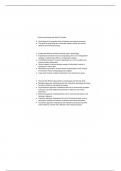
List and explain three (3) specific aims of Natural Science and Technology.
1. ‘Doing science’, where learners should be able to complete investigations, analyse
problems and use practical processes and skills in evaluating solutions.
2. ‘Knowing the subject content and making connections’, by which learners should have a
grasp of scientific, technological and environmental knowledge and be able to apply it in new
contexts, and
3. ‘Understanding the uses of Science, Technology and Society’, here learners should
understand the uses of NaturalSciences and indigenous knowledge in society and the
environment (Senior Phase) as well as understand the uses of Technology in society and the
environment (Intermediate Phase) and have values that make them caring and creative
citizens.
QUESTION 2:
2.1 Provide six (6) reasons why teachers should assess learners as a teacher.
(Science for classroom Nst2601 Study guide)
Assessing learners is a crucial aspect of teaching, especially in natural science, as it
helps ensure that educational objectives are met and provides valuable feedback to both
teachers and learners.
Assessment helps teachers determine whether learners have grasped the key concepts
and skills of the subject. It provides insights into which areas students excel in and where
they may need additional support.
Assessing learners regularly, teachers can make informed decisions about their teaching
strategies. This allows for adjustments in lesson plans, pacing, and methods to better
address the needs of the class.
Assessments offer a structured way for teachers to give learners feedback on their
performance. This feedback is essential for students to understand their strengths and
areas for improvement, fostering a growth mindset and encouraging continuous learning.
Regular assessments enable teachers to track learners' progress over time. This
ongoing monitoring helps identify trends, measure improvements, and ensure that all
students are advancing appropriately.
Assessments can reveal gaps in knowledge or misunderstandings that learners may
have. Identifying these gaps early allows teachers to intervene with targeted instruction
or additional resources to help learners catch up.
ASSIGNMENT 2
DUE JUNE 2024
, QUESTION 1:
List and explain three (3) specific aims of Natural Science and Technology.
1. ‘Doing science’, where learners should be able to complete investigations, analyse
problems and use practical processes and skills in evaluating solutions.
2. ‘Knowing the subject content and making connections’, by which learners should have a
grasp of scientific, technological and environmental knowledge and be able to apply it in new
contexts, and
3. ‘Understanding the uses of Science, Technology and Society’, here learners should
understand the uses of NaturalSciences and indigenous knowledge in society and the
environment (Senior Phase) as well as understand the uses of Technology in society and the
environment (Intermediate Phase) and have values that make them caring and creative
citizens.
QUESTION 2:
2.1 Provide six (6) reasons why teachers should assess learners as a teacher.
(Science for classroom Nst2601 Study guide)
Assessing learners is a crucial aspect of teaching, especially in natural science, as it
helps ensure that educational objectives are met and provides valuable feedback to both
teachers and learners.
Assessment helps teachers determine whether learners have grasped the key concepts
and skills of the subject. It provides insights into which areas students excel in and where
they may need additional support.
Assessing learners regularly, teachers can make informed decisions about their teaching
strategies. This allows for adjustments in lesson plans, pacing, and methods to better
address the needs of the class.
Assessments offer a structured way for teachers to give learners feedback on their
performance. This feedback is essential for students to understand their strengths and
areas for improvement, fostering a growth mindset and encouraging continuous learning.
Regular assessments enable teachers to track learners' progress over time. This
ongoing monitoring helps identify trends, measure improvements, and ensure that all
students are advancing appropriately.
Assessments can reveal gaps in knowledge or misunderstandings that learners may
have. Identifying these gaps early allows teachers to intervene with targeted instruction
or additional resources to help learners catch up.