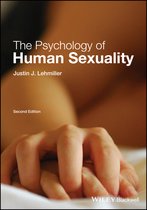
Psychology of sexuality – Literature
Chapter 1: Theoretical perspectives on human sexuality.................................................2
Chapter 2: Sexology research: History, methods, and ethics............................................4
Chapter 3: Human sexual anatomy........................................................................................... 6
Chapter 4: Human sexual response: Understanding arousal and orgasm.................10
Chapter 5: Gender and gender identity................................................................................. 13
Chapter 6: Sexual orientation................................................................................................... 16
Chapter 7: The laws of attraction............................................................................................ 18
Chapter 8: Intimate relationships: Sex, love, and commitment....................................20
Chapter 9: Sexual behaviours................................................................................................... 24
Chapter 10: Lifespan sexual development...........................................................................26
Chapter 11: Sex education, contraception, and pregnancy.............................................28
Chapter 13: Sexual dysfunction and sex therapy...............................................................30
Chapter 14: Variations in sexual behaviour........................................................................34
Chapter 15: Sex laws, sexual victimization, and the sexual marketplace..................36
,Chapter 1: Theoretical perspectives on human sexuality
What drives us to have sex?
Psychological influences
E.g. mood states, levels of cognitive alertness, our attitudes toward sex and relationships,
others’ expectations for our behaviour, associations learned through reinforcements
These factors can be transitory (change from moment to moment) or relatively stable
characteristics
The effects are bidirectional: Psychology shapes sexual behaviour, but sexual behaviour
also shapes our psychology
Cultural and societal influences
There do not appear to be many (if any) truly universal principles of sexuality
Religion is one of the reasons why there is so much cultural variability, but also science
and the popular media play important roles
Biological and evolutionary influences
On some level, all behaviour is biologically caused
There is little that is unique about humans’ sexual activities, suggesting evolution also
plays an important role in these behaviours
Major theoretical perspectives on human sexuality
Psychoanalytic theory (Freud)
Human behaviour is driven by two factors: sex (libido) and death (thanatos)
Personality structure consisting of the id (pleasure principle), ego (reality principle), and
superego (our conscience) drives behaviour
Sexual abnormalities arise when individuals become fixated during one of the
psychosexual stages of development
Cognitive-behavioural and learning theories
Classical conditioning (Pavlov)
Operant conditioning (Skinner)
Social or observational learning (e.g. Bandura’s Bobo doll experiment, media, porno)
Exchange theories
Exchange of recourses is fundamental to social relationships: Behaviour is driven by
perceived costs and benefits derived from trades occurring between partners
To determine whether outcomes are good, we hold them up to some comparison level
Personality theories: Relatively stable individual traits generate consistent patterns of
behaviour across situations (e.g. Big Five; erotophilia (strong, positive emotions and attitudes
toward sex) vs. erotophobia (strong, negative emotions and attitudes toward sex); sensation
seeking; sociosexuality = A person’s willingness to have sex in the absence of commitment)
, Evolutionary theory
Human beings are motivated to produce as many of their own offspring as possible: We
have evolved preferences for physical and psychological traits and characteristics in
sexual partners that promote reproductive success
Men and women have developed different approaches to mating
Sexual strategies theory: Differences because the parental investment required to
produce a child differs across the sexes
However, why do variations in sexual orientation exist?
The perspective of this text: Biopsychosocial model
, Chapter 2: Sexology research: History, methods, and ethics
A brief history of sexology = The scientific study of sex
The goal of sexology is to increase our understanding of all aspects of human sexuality
Sample selection
Researchers must identify a target population
Then, researchers choose a sample
Convenience samples (individuals who are most readily accessible for research purposes)
Advantage: Study can be completed quickly and easily without spending much money
Disadvantage: Is the sample representative enough of the target population?
Random selection (identifying all members of the target population and contacting a
subset of them at random to participate)
If applied correctly, conclusions are more generalizable
Much more challenging to implement
Non-experimental research
Survey research
Strengths:
Quick, easy way of collecting (more diverse) data; enhanced anonymity and privacy
Several modes of administration
Limitations:
Nonresponse (may hurt the representativeness of the sample)
Self-selection = All the ways that research volunteers differ from non-volunteers
Social desirability and other response biases
Difficult to write a good survey (use of terms, no leading or double-barred questions,
order of questions)
Examples of major sex surveys (p. 35-37)
The Kinsey reports
The National Health and Social Life Survey (NHSLS)
The National Survey of Sexual Health and Behaviour (NSSHB)
Direct observation
Strengths:
Less chance of response biases
Observations can be preserved on film
Limitations:
Self-selection
Reactivity (participants sometimes alter their behaviour when others are watching)
Expensive, and variables need to carefully operationalized
Chapter 1: Theoretical perspectives on human sexuality.................................................2
Chapter 2: Sexology research: History, methods, and ethics............................................4
Chapter 3: Human sexual anatomy........................................................................................... 6
Chapter 4: Human sexual response: Understanding arousal and orgasm.................10
Chapter 5: Gender and gender identity................................................................................. 13
Chapter 6: Sexual orientation................................................................................................... 16
Chapter 7: The laws of attraction............................................................................................ 18
Chapter 8: Intimate relationships: Sex, love, and commitment....................................20
Chapter 9: Sexual behaviours................................................................................................... 24
Chapter 10: Lifespan sexual development...........................................................................26
Chapter 11: Sex education, contraception, and pregnancy.............................................28
Chapter 13: Sexual dysfunction and sex therapy...............................................................30
Chapter 14: Variations in sexual behaviour........................................................................34
Chapter 15: Sex laws, sexual victimization, and the sexual marketplace..................36
,Chapter 1: Theoretical perspectives on human sexuality
What drives us to have sex?
Psychological influences
E.g. mood states, levels of cognitive alertness, our attitudes toward sex and relationships,
others’ expectations for our behaviour, associations learned through reinforcements
These factors can be transitory (change from moment to moment) or relatively stable
characteristics
The effects are bidirectional: Psychology shapes sexual behaviour, but sexual behaviour
also shapes our psychology
Cultural and societal influences
There do not appear to be many (if any) truly universal principles of sexuality
Religion is one of the reasons why there is so much cultural variability, but also science
and the popular media play important roles
Biological and evolutionary influences
On some level, all behaviour is biologically caused
There is little that is unique about humans’ sexual activities, suggesting evolution also
plays an important role in these behaviours
Major theoretical perspectives on human sexuality
Psychoanalytic theory (Freud)
Human behaviour is driven by two factors: sex (libido) and death (thanatos)
Personality structure consisting of the id (pleasure principle), ego (reality principle), and
superego (our conscience) drives behaviour
Sexual abnormalities arise when individuals become fixated during one of the
psychosexual stages of development
Cognitive-behavioural and learning theories
Classical conditioning (Pavlov)
Operant conditioning (Skinner)
Social or observational learning (e.g. Bandura’s Bobo doll experiment, media, porno)
Exchange theories
Exchange of recourses is fundamental to social relationships: Behaviour is driven by
perceived costs and benefits derived from trades occurring between partners
To determine whether outcomes are good, we hold them up to some comparison level
Personality theories: Relatively stable individual traits generate consistent patterns of
behaviour across situations (e.g. Big Five; erotophilia (strong, positive emotions and attitudes
toward sex) vs. erotophobia (strong, negative emotions and attitudes toward sex); sensation
seeking; sociosexuality = A person’s willingness to have sex in the absence of commitment)
, Evolutionary theory
Human beings are motivated to produce as many of their own offspring as possible: We
have evolved preferences for physical and psychological traits and characteristics in
sexual partners that promote reproductive success
Men and women have developed different approaches to mating
Sexual strategies theory: Differences because the parental investment required to
produce a child differs across the sexes
However, why do variations in sexual orientation exist?
The perspective of this text: Biopsychosocial model
, Chapter 2: Sexology research: History, methods, and ethics
A brief history of sexology = The scientific study of sex
The goal of sexology is to increase our understanding of all aspects of human sexuality
Sample selection
Researchers must identify a target population
Then, researchers choose a sample
Convenience samples (individuals who are most readily accessible for research purposes)
Advantage: Study can be completed quickly and easily without spending much money
Disadvantage: Is the sample representative enough of the target population?
Random selection (identifying all members of the target population and contacting a
subset of them at random to participate)
If applied correctly, conclusions are more generalizable
Much more challenging to implement
Non-experimental research
Survey research
Strengths:
Quick, easy way of collecting (more diverse) data; enhanced anonymity and privacy
Several modes of administration
Limitations:
Nonresponse (may hurt the representativeness of the sample)
Self-selection = All the ways that research volunteers differ from non-volunteers
Social desirability and other response biases
Difficult to write a good survey (use of terms, no leading or double-barred questions,
order of questions)
Examples of major sex surveys (p. 35-37)
The Kinsey reports
The National Health and Social Life Survey (NHSLS)
The National Survey of Sexual Health and Behaviour (NSSHB)
Direct observation
Strengths:
Less chance of response biases
Observations can be preserved on film
Limitations:
Self-selection
Reactivity (participants sometimes alter their behaviour when others are watching)
Expensive, and variables need to carefully operationalized