Enhancing Treatment for Developmental Prosopagnosia throguh assistive
technologies and augmented reality
Developmental prosopagnosia is a captivating and challenging issue within the field of
cognitive neuroscience, as it presents an idiopathic condition that hinders the recognition of
familiar faces despite normal vision and intellectual abilities. The profound impact of DP on
face recognition abilities and social interactions highlights the urgency in finding a viable
solution. My proposed solution entails neurorehabilitation using assistive technology,
, particularly augmented reality, offering personalised and immersive training scenarios with
real-time feedback to enhance cognitive facial recognition skills. However, to extend the
benefits to the entire population, not just pediatric patients, we must understand the success
of this approach heavily relies on the patient's neuroplasticity—their capacity to learn.
Therefore, exploring the potential combination of this assistive technology with a
neuroplasticity-inducing drug could hold the key to further advancements and addressing the
significant challenges posed by DP.
Understanding the Problem: Developmental Prosopagnosia
“The man who mistook his wife for a hat”, a phrase made famous by Oliver Sacks, poignant
illustrates the enigmatic neurological condition known as prosopagnosia. DP is a
congentiacal condition that emerges early in life and has evidence for being hereditary, while
acquired prosopagnosia results from neurological trauma. To understand the neuroscience
behind this condition, we must understand how face processing occurs and more
fundamentally, how light becames images in the brain. When light enters the eye, it passes
through the cornea and lens, which focus it onto the retina at the back of the eye. The retina
contains specialised light-sensitive cells called photoreceptors, which convert the light into
electrical signals. These signals are then transmitted through the optic nerve, a bundle of
nerve fibers and arrive at the ‘relay’ nuclei in the thalamus - the lateral geniculate nucleus
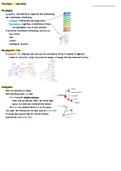
(LGN) (figure 1). The magnocellular pathway and the parvocellular pathway are two
separate streams of visual information processing in the early stages of the visual system.
The magnocellular pathway specialises in detecting motion and spatial information, while the
parvocellular pathway is responsible for processing fine detail, color, and shape information
(figure 2). Light from the Lateral Geniculate Nucleus (LGN) can either be directed to the
magnocellular pathway or the parvocellular pathway, depending on the type of visual
information being processed. In facial recogntion, the electrical impulse travels through the
parvocellular route, where it goes through the various visual corticies such as V1 (primary
visual cortex) via the ventral stream, being processed in the temporal lobe. What is strange
about facial recognition is that they get to have their own area of the brain in where they are
processed - the fusiform face area (FFA) and how they are processed configurally (figure 3).
Any other image/object follow the typical route of visual processing - domain specific
processing, for example when viewing a bicycle you break it down to its constituent parts -
wheels, handlebar, body. In facial processing, you do not view the eyes, nose and mouth
separately but view it holistically. It is this holistic processing in the FFA which is impaired by
developmental prosopanosics as they instead view the face parts as individual elements
unlike viewing the face as a whole.
technologies and augmented reality
Developmental prosopagnosia is a captivating and challenging issue within the field of
cognitive neuroscience, as it presents an idiopathic condition that hinders the recognition of
familiar faces despite normal vision and intellectual abilities. The profound impact of DP on
face recognition abilities and social interactions highlights the urgency in finding a viable
solution. My proposed solution entails neurorehabilitation using assistive technology,
, particularly augmented reality, offering personalised and immersive training scenarios with
real-time feedback to enhance cognitive facial recognition skills. However, to extend the
benefits to the entire population, not just pediatric patients, we must understand the success
of this approach heavily relies on the patient's neuroplasticity—their capacity to learn.
Therefore, exploring the potential combination of this assistive technology with a
neuroplasticity-inducing drug could hold the key to further advancements and addressing the
significant challenges posed by DP.
Understanding the Problem: Developmental Prosopagnosia
“The man who mistook his wife for a hat”, a phrase made famous by Oliver Sacks, poignant
illustrates the enigmatic neurological condition known as prosopagnosia. DP is a
congentiacal condition that emerges early in life and has evidence for being hereditary, while
acquired prosopagnosia results from neurological trauma. To understand the neuroscience
behind this condition, we must understand how face processing occurs and more
fundamentally, how light becames images in the brain. When light enters the eye, it passes
through the cornea and lens, which focus it onto the retina at the back of the eye. The retina
contains specialised light-sensitive cells called photoreceptors, which convert the light into
electrical signals. These signals are then transmitted through the optic nerve, a bundle of
nerve fibers and arrive at the ‘relay’ nuclei in the thalamus - the lateral geniculate nucleus
(LGN) (figure 1). The magnocellular pathway and the parvocellular pathway are two
separate streams of visual information processing in the early stages of the visual system.
The magnocellular pathway specialises in detecting motion and spatial information, while the
parvocellular pathway is responsible for processing fine detail, color, and shape information
(figure 2). Light from the Lateral Geniculate Nucleus (LGN) can either be directed to the
magnocellular pathway or the parvocellular pathway, depending on the type of visual
information being processed. In facial recogntion, the electrical impulse travels through the
parvocellular route, where it goes through the various visual corticies such as V1 (primary
visual cortex) via the ventral stream, being processed in the temporal lobe. What is strange
about facial recognition is that they get to have their own area of the brain in where they are
processed - the fusiform face area (FFA) and how they are processed configurally (figure 3).
Any other image/object follow the typical route of visual processing - domain specific
processing, for example when viewing a bicycle you break it down to its constituent parts -
wheels, handlebar, body. In facial processing, you do not view the eyes, nose and mouth
separately but view it holistically. It is this holistic processing in the FFA which is impaired by
developmental prosopanosics as they instead view the face parts as individual elements
unlike viewing the face as a whole.