Task 5 P5, M2
P5 describe how the criminal trial process works for both a summary and an
indictable offence
Magistrates’ courts:
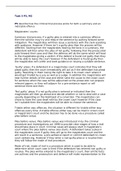
Summary trial process; if a guilty plea is entered into a summary offence
then the solicitor may try and reduce the sentence by putting forward some
mitigation. The magistrates will then issue a sentence with the clerk assisting
with guidance. However if there isn’t a guilty plea then the process will be
different. Starting from the magistrates hearing the facts in a summary, the
defendant will then enter the plea of not guilty, following that the prosecution
puts forward their case and then the defence will do the same which will lead
to the magistrates giving a verdict. If the defend is found not guilty then they
will be able to leave the court however if the defendant is found guilty then
the magistrates will confer and seek guidance on issuing a suitable sentence.
‘Guilty’ pleas; If a defendant in a magistrates court indicates that they will
plead guilty then the court immediately will act as if the defendant has plead
guilty. Resulting in them losing the right to take it to crown court where it
would get trialled by a jury as well as a judge. In addition the magistrates will
hear further details of the case and either send the cause to the crown court
for sentence when the case will be adjourned so the prosecutor can prepare
relevant papers, or they will adjourn for a pre-sentence report or will
sentence there and then.
‘Not guilty’ pleas; If a not guilty plea is entered or indicated then the
magistrates will then go ahead and decide whether or not to deal with a case
usually depending on the likelihood of a conviction. The magistrates can
chose to have the case dealt with by the crown court however if the case
isn’t suitable then the magistrates will be able to choose the sentence.
Triable either way offences; the situation is different for triable either way
offences every time. A triable offence either way can be tried in crown court
or magistrate’s court and the decision has to be done via a procedure called
plea before venue.
Plea before venue; Plea before venue was introduced in by the criminal
procedure and investigations act 1996 to provide clear stages of how a trail
should take place in court. Criminal cases will always start in magistrate’s
court where the plea before venue also starts. A defendant takes a plea in
the magistrates court if guilty they will go to the magistrates court and the
will result in a sentence, a pre-sentence report or commit defendant to crown
court sentencing. However if they enter a non-guilty plea or a no plea then
they will follow the mode of trail procedure.
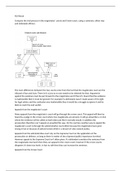
Mode of trial; mode of trail is a procedure which is used to be able to
determine which court case is tired if the defendant has entered non guilty or
no plea. The plea will be entered to the magistrate’s court, then all the facts
are outlines and the prosecution and defence will make representation to the
P5 describe how the criminal trial process works for both a summary and an
indictable offence
Magistrates’ courts:
Summary trial process; if a guilty plea is entered into a summary offence
then the solicitor may try and reduce the sentence by putting forward some
mitigation. The magistrates will then issue a sentence with the clerk assisting
with guidance. However if there isn’t a guilty plea then the process will be
different. Starting from the magistrates hearing the facts in a summary, the
defendant will then enter the plea of not guilty, following that the prosecution
puts forward their case and then the defence will do the same which will lead
to the magistrates giving a verdict. If the defend is found not guilty then they
will be able to leave the court however if the defendant is found guilty then
the magistrates will confer and seek guidance on issuing a suitable sentence.
‘Guilty’ pleas; If a defendant in a magistrates court indicates that they will
plead guilty then the court immediately will act as if the defendant has plead
guilty. Resulting in them losing the right to take it to crown court where it
would get trialled by a jury as well as a judge. In addition the magistrates will
hear further details of the case and either send the cause to the crown court
for sentence when the case will be adjourned so the prosecutor can prepare
relevant papers, or they will adjourn for a pre-sentence report or will
sentence there and then.
‘Not guilty’ pleas; If a not guilty plea is entered or indicated then the
magistrates will then go ahead and decide whether or not to deal with a case
usually depending on the likelihood of a conviction. The magistrates can
chose to have the case dealt with by the crown court however if the case
isn’t suitable then the magistrates will be able to choose the sentence.
Triable either way offences; the situation is different for triable either way
offences every time. A triable offence either way can be tried in crown court
or magistrate’s court and the decision has to be done via a procedure called
plea before venue.
Plea before venue; Plea before venue was introduced in by the criminal
procedure and investigations act 1996 to provide clear stages of how a trail
should take place in court. Criminal cases will always start in magistrate’s
court where the plea before venue also starts. A defendant takes a plea in
the magistrates court if guilty they will go to the magistrates court and the
will result in a sentence, a pre-sentence report or commit defendant to crown
court sentencing. However if they enter a non-guilty plea or a no plea then
they will follow the mode of trail procedure.
Mode of trial; mode of trail is a procedure which is used to be able to
determine which court case is tired if the defendant has entered non guilty or
no plea. The plea will be entered to the magistrate’s court, then all the facts
are outlines and the prosecution and defence will make representation to the