Chapter 2 the importance of research for evidence based practice Exam Questions and Complete Solutions
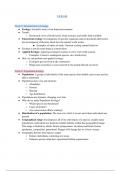
Chapter 2 the importance of research for evidence based practice Exam Questions and Complete Solutions the integration of best research evidence with clinical expertise and patient values - Ans: what is evidence based practice? evidence - Ans: this is the most current/relevant information that informs the question problem or goal at hand practice - Ans: this is a therapy intervention or service clinician - Ans: this is any professional making a recommendation regarding the care treatment service or plan for a client or group the client - Ans: this is the person or people for whom the care treatment or plan is applied formulated specific question, search and review relevant literature, evaluate the research and consider all options, make a decision and incorporate it in practice, evaluate the process, decision, and outcomes - Ans: what are the steps of evidence based practice? scientific method (current best and most applicable) clinicians past experience clients goals (values perspective) - Ans: when creating an evidence based practice you need to do these three things a randomized controlled study (this is considered the gold standard) - Ans: what is an RCT? keep the focus broad reading a review paper reading research literature look at what your adviser does look what students and faculty do find controversial topics in the area - Ans: how do you identify a research problem it is a paper that puts together all the prominent papers in an area and is author opinionated - Ans: what is a review paper? is the problem in the realm of research, does it interest you, does it posses unity, is it worthwhile, is it feasible, is it timely, can you attack the problem without prejudice, are you prepared to address the problem - Ans: what criteria do you look for when selecting a research problem find journals in your area, list three research journals, find three researchers that research similar things - Ans: after finding your research problem you must? statement of the problem hypothesis characteristics of the participants tools and tests used testing procedure independent/dependent variable treatments applied design and statistical analysis findings ?s for further study citations to other studies when to copy article - Ans: these are the steps with reading and recording the literature key point - Ans: its long been known that-i havent looked up the reference, it is suggested that-i think, it is believed that-i think, typical results shown-best results shown, correct with an order of magnitude-wrong Scrutiny of background information, confounding variables, experimental design, controls, methods, instrumentation, participant sample, comparison group, outcome variables, statistical analyses, sample size, interpretation of data, and inferences made. Are published conclusions valid? Are published conclusions appropriate to client goals? Is mental or physical harm to the client possible? Criteria should be pre-established, using a grading system such as one developed by professional organizations (e.g. SORT) - Ans: this is the evaluation of the published evidence systematic reviews - Ans: this is the comprehensive synthesis of numerous studies relevant to a single question meta-analyses - Ans: this is code relevant data from multiple investigations and transform these data factors, which is analyzed statistically to determine effect size uniform grading rubric, evidence grading system, clear description of methods that allow researchers to replicate experiments, evaluates quality of service - Ans: this is ACSMs standard protocol for all position stand working committees, it is based on what? randomized controlled tests - Ans: what does RCT stand for? clinicians - Ans: what type of occupations is this?intellectual curiosity and continuing self-education through self-study, continual use of the complete EBP process, conference attendance, journal clubs, and grand rounds researchers - Ans: what type of occupation is this? continuing self-education by communicating with clinicians to identify new therapies, instruments, and services; and understand clinical problems, failures, successes, and original ideas
Escuela, estudio y materia
- Institución
- EBP
- Grado
- EBP
Información del documento
- Subido en
- 25 de mayo de 2024
- Número de páginas
- 3
- Escrito en
- 2023/2024
- Tipo
- Examen
- Contiene
- Preguntas y respuestas
Temas
-
chapter 2 the importance of research for evidence

Documento también disponible en un lote