LCP4804 ASSIGNMENT 2 (QUESTIONS AND COMPLETE ANSWERS) SEMESTER 1 2024 LATEST UPDATE GRADE A+
LCP4804 ASSIGNMENT 2 (QUESTIONS AND COMPLETE ANSWERS) SEMESTER 1 2024 LATEST UPDATE GRADE A+ Question 1 (i) The Constitution envisions the customary law of South Africa that is free of the distortions that were brought into the system through the application of the repugnancy jurisprudence (must be Africanised) and (must conform to constitutional precepts). Firstly, the courts are therefore required to free customary law of the domination by the common law so that customary law could be viewed in the light of its own values and norms (Alexkor vs Richtersveld Community), subject to constitutional constraints. The courts overlooked this requirement in both the above cases – which resulted in the failure of Africanisation. Secondly, the courts have to transform customary law in line with section 39(2) of the Constitution to develop customary law to make sure that its purport and objects conform with the Bill of Rights. This would be in line with the Bill of Rights – i.e constitutionalisation. Both courts in Mabena and Mabuza failed to Africanise the law, they only managed to constitutionalise it. For instance, in Mabena the father of the deceased husband relied on his understanding of customary law rights as head of the family as protected by the Constitution. He urged the court to Africanise the law in line with the first requirement above. However, the court rejected this request and applied the second requirement in terms of which his wife relied on the Constitution as allowing her, as an equal member of society, to consent to the marriage of her daughter in the absence of her husband. Her action was accordingly affirmed. The court developed customary law to allow her to act as she did in terms of her equality with her absent husband. At the same time the court also approved the deceased husband’s decision to negotiate his own marriage without assistance from his father – affirming the right of an independent adult young man to act as equal in law. The court constitutionalized the law, however, it refused to affirm African culture i.e to insist on the participation of elders. If the woman’s mother had seen herself as equal to her husband, and therefore able to represent her marital family – in the same way as her husband would do, she would have contributed to Africanisation. As an African her culture requires her to act as a member of her group – ie to represent her marital family. But she saw herself as a constitutional being, and acted as an individual who had a personal right to equality. The court agreed with her and emphasized her own equality as an individual – thus defining equality in the Western sense - which downplayed her African cultural background as a communal being. In
Libro relacionado
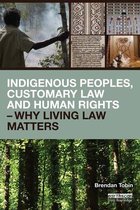
- Desconocido
- 9781317697534
- 1
Escuela, estudio y materia
- Institución
- LCP4804
- Grado
- LCP4804
Información del documento
- Subido en
- 16 de mayo de 2024
- Número de páginas
- 23
- Escrito en
- 2023/2024
- Tipo
- Examen
- Contiene
- Preguntas y respuestas
Temas
-
lcp4804 assignment 2
-
lcp4804 exa
-
lcp4804 assignment 2 questions and complete answe
-
lcp4804 questions and complete answers