Schizophrenia (SZ)
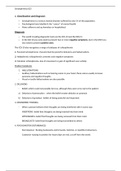
1. Classification and Diagnosis
Schizophrenia is a serious mental disorder suffered by only 1% of the population.
Psychologists have labelled it the “cancer” of mental health.
Many sufferers end up homeless or hospitalised.
Diagnosis
The world’s leading diagnostic tools are the ICD-10 and the DSM-V.
In the ICD-10 you only need to present two or more negative symptoms, but in the DSM you
also need to present positive ones.
The ICD-10 also recognises a range of subtypes of schizophrenia-
1. Paranoid schizophrenia- characterised by powerful delusions and hallucinations
2. Hebephrenic schizophrenia- presents only negative symptoms
3. Catatonic schizophrenia- loss of movement or gain of significant over-activity
Positive Symptoms
1. HALLUCINATIONS
Auditory hallucinations such as hearing voices in your head, these voices usually increase
paranoia and negative thoughts
Visual or tactile hallucinations are also possible
2. DELUSIONS
Beliefs which could not possibly be true, although they seem very real to the patient.
a) Delusions of persecution – when the belief creates delusion or paranoia
b) Delusions of grandeur- beliefs of being powerful and important
3. DISORDERED THINKING
When a person believes their thoughts are being interfered with in some way:
INSERTIONS- belief that thoughts are being inserted into their mind
WITHDRAWLS- belief that thoughts are being removed from their mind
BROADCASTS- belief that thoughts are being transmitted to others
4. PSYCHOMOTOR DISTURBANCES
Stereotypical - Rocking backwards and forwards, twitches, & repetitive behaviours.
Catatonia- staying in position for hours/days on end, cut off from the world.
1. Classification and Diagnosis
Schizophrenia is a serious mental disorder suffered by only 1% of the population.
Psychologists have labelled it the “cancer” of mental health.
Many sufferers end up homeless or hospitalised.
Diagnosis
The world’s leading diagnostic tools are the ICD-10 and the DSM-V.
In the ICD-10 you only need to present two or more negative symptoms, but in the DSM you
also need to present positive ones.
The ICD-10 also recognises a range of subtypes of schizophrenia-
1. Paranoid schizophrenia- characterised by powerful delusions and hallucinations
2. Hebephrenic schizophrenia- presents only negative symptoms
3. Catatonic schizophrenia- loss of movement or gain of significant over-activity
Positive Symptoms
1. HALLUCINATIONS
Auditory hallucinations such as hearing voices in your head, these voices usually increase
paranoia and negative thoughts
Visual or tactile hallucinations are also possible
2. DELUSIONS
Beliefs which could not possibly be true, although they seem very real to the patient.
a) Delusions of persecution – when the belief creates delusion or paranoia
b) Delusions of grandeur- beliefs of being powerful and important
3. DISORDERED THINKING
When a person believes their thoughts are being interfered with in some way:
INSERTIONS- belief that thoughts are being inserted into their mind
WITHDRAWLS- belief that thoughts are being removed from their mind
BROADCASTS- belief that thoughts are being transmitted to others
4. PSYCHOMOTOR DISTURBANCES
Stereotypical - Rocking backwards and forwards, twitches, & repetitive behaviours.
Catatonia- staying in position for hours/days on end, cut off from the world.