Module 2: Altered Cellular and Tissue Biology
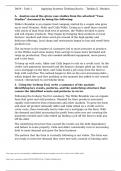
Hypertrophy Feedback: In response to the increased workload of hypertension, myocardial cells will hypertrophy in order to pump harder. The muscle wall becomes thicker in response to the increased workload. - correct answer A patient has an increased cardiac workload related to high blood pressure (hypertension). Which adaptive process does the nurse expect to occur in the patients left ventricular myocardial cells? Skeletal muscles. Feedback: Lack of nerve stimulation to skeletal muscles results in muscle atrophy. Maintenance of liver tissue does not require nervous stimulation. Immobility and spinal cord injuries affect the tissue that is no longer being stimulated. Maintenance of skin tissue does not require nervous stimulation, but the patient should be repositioned to prevent decubiti. - correct answer A patient with a spinal cord injury is immobilized in bed for a prolonged time. The patient may experience atrophy in which of the following? Formation of autophagic vacuoles. Feedback: Atrophy is accomplished through the production of enzymes in autophagic vacuoles that digest cellular contents. Loss of fluid results in cellular dehydration. Atrophy is accomplished through the production of enzymes in autophagic vacuoles that digest cellular contents. Atrophy affects cell size, not cell division. - correct answer If a patient has chronic malnutrition, atrophy is accomplished through which processes? A decrease in protein synthesis. Feedback: Ribosomes are the primary site for protein synthesis. Hypoxic injury and cellular swelling results in dilation of the rough endoplasmic reticulum, causing the ribosomes to detach. Loss of the site for protein synthesis results in decreased protein production. Sodium accumulates inside the cell. Release of enzymes is from membrane damage as opposed to endoplasmic injury. Lactic acid results from glycolysis, not from the endoplastic injury. - correct answer A patient has an injury to the endoplasmic reticulum due to hypoxic injury. Which does the nurse suspect? Bleeding in the skin or underlying tissues Feedback: A contusion injury, also known as a bruise, results in purplish discoloration of the skin from capillary bleeding. An abrasion is characterized by the removal of superficial skin layers. A gunshot, or projectile wound, is characterized by entrance and exit wounds. - correct answer A patient presents to the emergency department with a contusion injury. Which finding is the nurse most likely to find on assessment? tissue loss. Feedback: In response to tissue loss, surrounding cells are stimulated to replace the lost tissue. - correct answer A nurse is teaching staff about compensatory hyperplasia. With regard to compensatory hyperplasia, what information should the nurse include? growth factors stimulate cell division in response to: Excessive hormonal stimulation. Feedback: Pathologic hyperplasia is the abnormal proliferation of normal cells, usually in response to excessive hormonal stimulation or growth factors on target cells. - correct answer A patient has pathologic hyperplasia. What is most likely the cause? protect cells from injury Feedback: Adaptive cellular mechanisms actually help cells adjust to environmental changes, thereby protecting them from injury and death. Aging is a complex physiologic process that occurs despite cellular adaptations. Cellular adaptations help prevent, rather than speed up cell death. Exogenous therapies, such as medications and surgery, are used to treat disease. - correct answer A nurse recalls that adaptive cellular mechanisms function to: hypoxemia - correct answer The major mechanism of injury in drowning is: Cleavage of key cellular proteins Feedback: Apoptosis results in the rapid killing of a cell through nuclear shrinkage and the activation of proteases that neatly cleave key cellular proteins. Inflammation is not activated in apoptosis. - correct answer Which of the following cellular processes occurs during apoptosis? Ischemia Feedback: Hypoxic injury results from a lack of oxygen. The most common cause of this type of cell injury is ischemia, a decrease in blood flow to the tissue. The spread of free radicals can result in derangement of cellular components. - correct answer A patient has hypoxic injury. Which does the nurse suspect is the most common cause? Cell injury from noxious stimuli Feedback: Metaplasia occurs in response to repetitive exposure to toxic stimuli. Hypertrophy occurs in response to increased workload. ATP depletion occurs in atrophy. Viral infection is not a cause of metaplasia. - correct answer Which causes metaplasia in humans? Fat (lipids) Feedback: Alcohol injury results in the accumulation
Escuela, estudio y materia
- Institución
- Module 2: Altered Cellular and Tissue Biology
- Grado
- Module 2: Altered Cellular and Tissue Biology
Información del documento
- Subido en
- 29 de abril de 2024
- Número de páginas
- 5
- Escrito en
- 2023/2024
- Tipo
- Examen
- Contiene
- Preguntas y respuestas
Temas
-
module 2 altered cellular and tissue biology