Chapter 12: Prejudice and intergroup relations p. 401
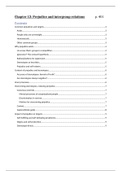
Contents
Common prejudices and targets............................................................................................................3
Arabs..................................................................................................................................................3
People who are overweight...............................................................................................................3
Homosexuals.....................................................................................................................................3
Other common groups.......................................................................................................................3
Why prejudice exists..............................................................................................................................4
Us versus them: groups in competition.............................................................................................4
Ignorance? The contact hypothesis...................................................................................................5
Rationalizations for oppression.........................................................................................................5
Stereotypes as heuristics...................................................................................................................5
Prejudice and self-esteem.................................................................................................................5
Content of prejudice and stereotypes...................................................................................................6
Accuracy of stereotypes: kernels of truth?........................................................................................6
Are stereotypes always negative?.....................................................................................................6
Inner processes......................................................................................................................................6
Overcoming stereotypes, reducing prejudice........................................................................................7
Conscious override............................................................................................................................7
Mental processes of nonprejudiced people...................................................................................7
Discrimination in reverse...............................................................................................................7
Motives for overcoming prejudice.................................................................................................7
Contact..............................................................................................................................................7
Superordinate goals...........................................................................................................................8
Impact of prejudice on targets..............................................................................................................9
Self-fulfilling and self-defeating prophecies.......................................................................................9
Stigma and self-protection.................................................................................................................9
Stereotype threat..............................................................................................................................9
, ABC of intergroup relationships:
- Affective component: prejudice
o Prejudice – a negative feeling toward an individual based solely on his or her
membership in a particular group
- Behavioral component: discrimination
o Discrimination – unequal treatment of different people based on the groups or
categories to which they belong
- Cognitive component: stereotyping
o Stereotypes – beliefs that associate groups of people with certain traits
Can be good or bad
Racism – prejudiced attitudes toward a particular race; racial prejudice
Aversive racism – simultaneously holding egalitarian values and negative feelings toward
minorities
- Believing in racial equality, but still having negative feelings toward minorities
Subtypes – categories that people use for individuals who do not fit a general stereotype
- Stimulates the endurance of stereotypes (even though inaccurate)
Categorization – the natural tendency of humans to sort objects into groups
- Enables people to easily make sense of a complicated world; minimalizing mental effort
as cognitive misers
- Social categorization – the process of sorting people into groups on the basis of
characteristics they have in common (e.g. race, gender, age, religion, sexual orientation)
- Outgroup members – people who belong to a different group or category than we do
o Outgroup homogeneity bias – the assumption that outgroup members are
more similar to one another than ingroup members are to one another
Cause: lack of exposure, leading to less information about individual
members
May lead to prejudice etc.
E.g. think about differences between Europeans, opposed to differences
between Asians
- Ingroup members – people who belong to the same group or category as we do
Stereotypes and prejudice have been regarded as morally wrong, but only since recent ages.
Before that, it was seen as normal to judge someone based on social ties/ family. Stereotyping
can lead to morally wrong and unfair consequences.
Contents
Common prejudices and targets............................................................................................................3
Arabs..................................................................................................................................................3
People who are overweight...............................................................................................................3
Homosexuals.....................................................................................................................................3
Other common groups.......................................................................................................................3
Why prejudice exists..............................................................................................................................4
Us versus them: groups in competition.............................................................................................4
Ignorance? The contact hypothesis...................................................................................................5
Rationalizations for oppression.........................................................................................................5
Stereotypes as heuristics...................................................................................................................5
Prejudice and self-esteem.................................................................................................................5
Content of prejudice and stereotypes...................................................................................................6
Accuracy of stereotypes: kernels of truth?........................................................................................6
Are stereotypes always negative?.....................................................................................................6
Inner processes......................................................................................................................................6
Overcoming stereotypes, reducing prejudice........................................................................................7
Conscious override............................................................................................................................7
Mental processes of nonprejudiced people...................................................................................7
Discrimination in reverse...............................................................................................................7
Motives for overcoming prejudice.................................................................................................7
Contact..............................................................................................................................................7
Superordinate goals...........................................................................................................................8
Impact of prejudice on targets..............................................................................................................9
Self-fulfilling and self-defeating prophecies.......................................................................................9
Stigma and self-protection.................................................................................................................9
Stereotype threat..............................................................................................................................9
, ABC of intergroup relationships:
- Affective component: prejudice
o Prejudice – a negative feeling toward an individual based solely on his or her
membership in a particular group
- Behavioral component: discrimination
o Discrimination – unequal treatment of different people based on the groups or
categories to which they belong
- Cognitive component: stereotyping
o Stereotypes – beliefs that associate groups of people with certain traits
Can be good or bad
Racism – prejudiced attitudes toward a particular race; racial prejudice
Aversive racism – simultaneously holding egalitarian values and negative feelings toward
minorities
- Believing in racial equality, but still having negative feelings toward minorities
Subtypes – categories that people use for individuals who do not fit a general stereotype
- Stimulates the endurance of stereotypes (even though inaccurate)
Categorization – the natural tendency of humans to sort objects into groups
- Enables people to easily make sense of a complicated world; minimalizing mental effort
as cognitive misers
- Social categorization – the process of sorting people into groups on the basis of
characteristics they have in common (e.g. race, gender, age, religion, sexual orientation)
- Outgroup members – people who belong to a different group or category than we do
o Outgroup homogeneity bias – the assumption that outgroup members are
more similar to one another than ingroup members are to one another
Cause: lack of exposure, leading to less information about individual
members
May lead to prejudice etc.
E.g. think about differences between Europeans, opposed to differences
between Asians
- Ingroup members – people who belong to the same group or category as we do
Stereotypes and prejudice have been regarded as morally wrong, but only since recent ages.
Before that, it was seen as normal to judge someone based on social ties/ family. Stereotyping
can lead to morally wrong and unfair consequences.