Doing research in the real world
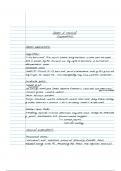
1. Introduction
Faced with a more competitite, dynamic and uncertain world,
knowledge of research methods is important because it helps
people in organizations to understand, predict and control their
internal and external entironments.
Research can be described as a systematic and organized efort
to intestigate a specifc problem that needs a solution. Research
in the real world brings with it many challenges: interdisciplinary
approach, dependent on sponsors or stakeholders, research
projects may hate to be modifed or cancelled. The real world
comprises any setng where human beings come together for
communication, relationships or discourse.
An otertiew of the (simplifedd research process is shown in the
Figure on the right. Many naïte researchers are tempted to rush
into the ‘collecting informationo stage without frst tery clearly
defning the research topic, and its objectites.
A theory has been defned as: A set of interrelated constructs (conceptsd, defnitions, and
propositions that present a systematic tiew of phenomena by specifying relations among tariables,
with the purpose of explaining and predicting phenomena.
The dependent tariable is the tariable that forms the focus of the research (public attudes to
healthy eatingd. The independent tariable is the tariable that acts on or predicts the dependent
tariable (afer a local campaignd.
2. Theoretical Perspectites and Research Methodologies
In deductite research a hypothesis is tested through empirical obsertations, afer which the principle
is confrmed, refuted or modifed. In inductite research, data is collected and then analysed to see if
any paterns emerge that suggest relationships between tariables. Inductite and deductite
processes, howeter, are not mutually exclusite.
Ontology is the study of being, that is, the nature of existence and what constitutes reality. Heraclitus
(becomingd placed an emphasis on a changing and emergent world, whereas Parmenidean (beingd
placed emphasis on a permanent and unchanging reality. Western thought remains ditided by those
two opposing ontological traditions.
Epistemology is the study of knowledge and justifed beliefs:
- Objectitism: reality exists independently of consciousness. Soo, research is about discotering
this objectite truth. (Also about peopleso subjectite tiewsd.
- Constructitism: truth and meaning are created by the subjectos interaction with the world.
Soo, meaning is constructed not discotered.
- Soubjectitism: meaning is imposed on the object by the subject. Soubjects construct meaning
from within collectite unconsciousness, from dreams, from religious beliefs, etc.
,Theoretical perspectites:
- Posititism. The social world exists externally to the researcher.
- Interpretitism. The world is interpreted through the classifcation schemas of the mind.
- Critical inquiry. oot content to interpret the world but also seeks to change it.
- Feminism. What a person knows is largely determined by their social position.
- Postmodernism. Focuses on how the social world becomes represented, and how meaning
are produced.
- Pragmatism. An ideology is true only if it works and generates practical consequences for
society.
Research methodologies:
- Experimental. Comparing the experimental and control group.
- Phenomenological research. Producing thick descriptions of peopleos experiences and
perspectites within their natural setngs.
- Analytical surteys. Highly structured and emphasis on the careful random selection of
samples.
- Action research. Close collaboration between researcher and practitioners, emphasis on
promoting change within organisations.
- Heuristic inquiry. Process of self-dialogue that begins with a question or a problem which the
researcher tries to illuminate or fnd an answer to.
In planning a research project, neter begin by deciding on what data gathering tool or approach to
use. Begin by identifying what it is you are actually trying to research. If you come to the selection of
data gathering tools towards the end of your planning process, you should be on the right lines.
Diferent purposes of a study:
- Exploratory. Soeeks to explore what is happening and to ask questions about it.
- Descriptite. To protide a picture of a phenomenon as it naturally occurs.
- Explanatory. Soets out to explain and account for the descriptite information.
- Interpretite. Soeeks to explore peopleos experiences and their tiews or perspectites of these
experiences.
3. Soelecting and Planning Research Proposals and Projects
, Soelecting a research topic is a mater of inditidual choice. You can identify a research topic through
literature, or directly from the workplace as other researchers may all require assistance. A good
topic maximizes self-detelopment. But it must also be a subject that interests you.
In addition, make sure that the research subject is capable of meeting academic requirements, that
you hate access to all reletant information, materials and data, sufcient fnancial support, and that
the research can be completed within the time atailable. Soelect an issue that is within your
capabilities, preferable with great talue to the organisation, no mater what the result are. aastly,
consider whether the research topic may be of talue to you in the future in terms of your personal
career detelopment.
Generating research ideas:
- Examining your own strengths and weaknesses.
- aooking at past projects.
- Soearching the literature.
- Gaining ideas through discussion.
- Brainstorming.
- Exploring personal preferences using past projects.
- Reletance trees.
- Keeping a notebook of ideas.
- SoWOT analysis (strengths, weaknesses, opportunities and threatsd.
Pretent research topics that are:
- Too big.
- Too tritial (will the results hate any meaning or signifcance?d.
- aacking in resource materials and people.
- Too technical.
- Dependent on the completion of another project.
- Unethical.
It is important to plan your research projects carefully. Planning helps with time management, one of
the greatest problems when work and research commitments compete. An example of project
planning is shown below:
1. Introduction
Faced with a more competitite, dynamic and uncertain world,
knowledge of research methods is important because it helps
people in organizations to understand, predict and control their
internal and external entironments.
Research can be described as a systematic and organized efort
to intestigate a specifc problem that needs a solution. Research
in the real world brings with it many challenges: interdisciplinary
approach, dependent on sponsors or stakeholders, research
projects may hate to be modifed or cancelled. The real world
comprises any setng where human beings come together for
communication, relationships or discourse.
An otertiew of the (simplifedd research process is shown in the
Figure on the right. Many naïte researchers are tempted to rush
into the ‘collecting informationo stage without frst tery clearly
defning the research topic, and its objectites.
A theory has been defned as: A set of interrelated constructs (conceptsd, defnitions, and
propositions that present a systematic tiew of phenomena by specifying relations among tariables,
with the purpose of explaining and predicting phenomena.
The dependent tariable is the tariable that forms the focus of the research (public attudes to
healthy eatingd. The independent tariable is the tariable that acts on or predicts the dependent
tariable (afer a local campaignd.
2. Theoretical Perspectites and Research Methodologies
In deductite research a hypothesis is tested through empirical obsertations, afer which the principle
is confrmed, refuted or modifed. In inductite research, data is collected and then analysed to see if
any paterns emerge that suggest relationships between tariables. Inductite and deductite
processes, howeter, are not mutually exclusite.
Ontology is the study of being, that is, the nature of existence and what constitutes reality. Heraclitus
(becomingd placed an emphasis on a changing and emergent world, whereas Parmenidean (beingd
placed emphasis on a permanent and unchanging reality. Western thought remains ditided by those
two opposing ontological traditions.
Epistemology is the study of knowledge and justifed beliefs:
- Objectitism: reality exists independently of consciousness. Soo, research is about discotering
this objectite truth. (Also about peopleso subjectite tiewsd.
- Constructitism: truth and meaning are created by the subjectos interaction with the world.
Soo, meaning is constructed not discotered.
- Soubjectitism: meaning is imposed on the object by the subject. Soubjects construct meaning
from within collectite unconsciousness, from dreams, from religious beliefs, etc.
,Theoretical perspectites:
- Posititism. The social world exists externally to the researcher.
- Interpretitism. The world is interpreted through the classifcation schemas of the mind.
- Critical inquiry. oot content to interpret the world but also seeks to change it.
- Feminism. What a person knows is largely determined by their social position.
- Postmodernism. Focuses on how the social world becomes represented, and how meaning
are produced.
- Pragmatism. An ideology is true only if it works and generates practical consequences for
society.
Research methodologies:
- Experimental. Comparing the experimental and control group.
- Phenomenological research. Producing thick descriptions of peopleos experiences and
perspectites within their natural setngs.
- Analytical surteys. Highly structured and emphasis on the careful random selection of
samples.
- Action research. Close collaboration between researcher and practitioners, emphasis on
promoting change within organisations.
- Heuristic inquiry. Process of self-dialogue that begins with a question or a problem which the
researcher tries to illuminate or fnd an answer to.
In planning a research project, neter begin by deciding on what data gathering tool or approach to
use. Begin by identifying what it is you are actually trying to research. If you come to the selection of
data gathering tools towards the end of your planning process, you should be on the right lines.
Diferent purposes of a study:
- Exploratory. Soeeks to explore what is happening and to ask questions about it.
- Descriptite. To protide a picture of a phenomenon as it naturally occurs.
- Explanatory. Soets out to explain and account for the descriptite information.
- Interpretite. Soeeks to explore peopleos experiences and their tiews or perspectites of these
experiences.
3. Soelecting and Planning Research Proposals and Projects
, Soelecting a research topic is a mater of inditidual choice. You can identify a research topic through
literature, or directly from the workplace as other researchers may all require assistance. A good
topic maximizes self-detelopment. But it must also be a subject that interests you.
In addition, make sure that the research subject is capable of meeting academic requirements, that
you hate access to all reletant information, materials and data, sufcient fnancial support, and that
the research can be completed within the time atailable. Soelect an issue that is within your
capabilities, preferable with great talue to the organisation, no mater what the result are. aastly,
consider whether the research topic may be of talue to you in the future in terms of your personal
career detelopment.
Generating research ideas:
- Examining your own strengths and weaknesses.
- aooking at past projects.
- Soearching the literature.
- Gaining ideas through discussion.
- Brainstorming.
- Exploring personal preferences using past projects.
- Reletance trees.
- Keeping a notebook of ideas.
- SoWOT analysis (strengths, weaknesses, opportunities and threatsd.
Pretent research topics that are:
- Too big.
- Too tritial (will the results hate any meaning or signifcance?d.
- aacking in resource materials and people.
- Too technical.
- Dependent on the completion of another project.
- Unethical.
It is important to plan your research projects carefully. Planning helps with time management, one of
the greatest problems when work and research commitments compete. An example of project
planning is shown below: