Introduction to Entomology
Week 7
Graham Holloway
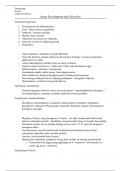
Lepidoptera
Difference between moths and butterflies;
- Butterflies are considered are monophyletic clade
- Butterflies have clubbed antenna whereas moths don’t
- Moths can be diurnal [Cinnabar/ Scarlet Tiger/ Burnet Companion/ 5-spot Burner/
Hummingbird Hawkmoth]
Lepidoptera;
- 160,000sp [high proportion as 300,000spp plant and each butterfly specialises on one
or a few plant species] / some feed on fungi.
1. Papilionidae;
- Swallowtails and Parnassians / Large bright butterflies, elongated tails [distract
predators as mimic antenna = draws attention away from other body parts]
- Globular eggs/ larvae have antennae-like osmeteria [emit pungent chemicals for
defense against predators]
- Pupae = green/brown // feed on flower nectar [caterpillars on woody/herbaceous
plant]
2. Hesperiidae;
- Skipper butterflies/ small, fluttering ‘skipping’ flight / antenna with hooks / thick
fuzzy body and larger compound eyes.
- Dull brown/ tan/ gold colours
- Hold forewings and hindwings at 2 different angles = fighter jet appearance.
3. Pieridae;
- White/yellow/orange with black spots [waste from the body]
- None possess a ‘tail’ / migratory
4. Nymphalidae;
- Brush footed butterfly / tricarinate ridges on antenna / reduction in forelegs [M]
5. Nymphalidae, Helicorinnae;
- Subfamily = long wings // reddish and black / forewing elongated tipwards
6. Nymphalidae, Limentidnae;
?
7. Nymphalidae, Apaturinae
- Emporors [blue] / peacocks and hackberry butterflies
8. Nymphalidae, Nymphalinae, Nymphalini;
- Red admiral/ painted lady/ tortoishell butterfly
9. Nymphalidae, Nymphalinae, Melitaeini;
?
10. Riodinidae;
- Metallic colours ‘metalmarks’ / small-medium
- M forelegs reduced and cannot walk [can be found normal with claws in F]
- Precostal vein present in hindwing / eggs are small and spherical / larvae lack honey
gland.
Week 7
Graham Holloway
Lepidoptera
Difference between moths and butterflies;
- Butterflies are considered are monophyletic clade
- Butterflies have clubbed antenna whereas moths don’t
- Moths can be diurnal [Cinnabar/ Scarlet Tiger/ Burnet Companion/ 5-spot Burner/
Hummingbird Hawkmoth]
Lepidoptera;
- 160,000sp [high proportion as 300,000spp plant and each butterfly specialises on one
or a few plant species] / some feed on fungi.
1. Papilionidae;
- Swallowtails and Parnassians / Large bright butterflies, elongated tails [distract
predators as mimic antenna = draws attention away from other body parts]
- Globular eggs/ larvae have antennae-like osmeteria [emit pungent chemicals for
defense against predators]
- Pupae = green/brown // feed on flower nectar [caterpillars on woody/herbaceous
plant]
2. Hesperiidae;
- Skipper butterflies/ small, fluttering ‘skipping’ flight / antenna with hooks / thick
fuzzy body and larger compound eyes.
- Dull brown/ tan/ gold colours
- Hold forewings and hindwings at 2 different angles = fighter jet appearance.
3. Pieridae;
- White/yellow/orange with black spots [waste from the body]
- None possess a ‘tail’ / migratory
4. Nymphalidae;
- Brush footed butterfly / tricarinate ridges on antenna / reduction in forelegs [M]
5. Nymphalidae, Helicorinnae;
- Subfamily = long wings // reddish and black / forewing elongated tipwards
6. Nymphalidae, Limentidnae;
?
7. Nymphalidae, Apaturinae
- Emporors [blue] / peacocks and hackberry butterflies
8. Nymphalidae, Nymphalinae, Nymphalini;
- Red admiral/ painted lady/ tortoishell butterfly
9. Nymphalidae, Nymphalinae, Melitaeini;
?
10. Riodinidae;
- Metallic colours ‘metalmarks’ / small-medium
- M forelegs reduced and cannot walk [can be found normal with claws in F]
- Precostal vein present in hindwing / eggs are small and spherical / larvae lack honey
gland.