NR 503 Week 3 Discussion Epidemiological Methods and Measurements
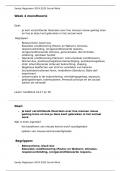
NR 503 Week 3 Discussion Epidemiological Methods and MeasurementsWhat is the fundamental difference between the method you have chosen (either the case-control or cohort method) and the randomized controlled trial? The cohort method is a type of observational and nonexperimental study that oversees a group of people over a period of time (Curly Cupp, 2020). As randomized controlled trials (RCTs) involve manipulation of an intervention by the researcher, cohort studies observe naturally occurring phenomena. The cohort method is an efficient way to measure the effects of a suspected risk factor such as detecting any changes in health in an exposed group, finding clues as to the possible causes of disease (Curly Cupp, 2020). Cohorts can be prospective (gathering data going forward) or retrospective (looking at data already collected) (Curly Cupp, 2020). 2. What are the advantages and disadvantages of the study method you chose (case-control or cohort study)? Advantages of cohort research include the ability to study multiple outcomes, control exposure, identify confounding variables, and calculate incidence rates and relative risk (Curly Cupp, 2020). A cohort is a good method to use if studying for an exposure that is rare and temporality is also an advantage given that the participants studied do not have outcomes yet during the beginning of research and as such, progression and changes can be seen in real-time (Setia, 2016). In contrast, disadvantages include the length of time, labor, and high costs (Curly Cupp, 2020).
Escuela, estudio y materia
- Institución
- NR 503 Discussion Epidemiological Methods
- Grado
- NR 503 Discussion Epidemiological Methods
Información del documento
- Subido en
- 22 de febrero de 2024
- Número de páginas
- 5
- Escrito en
- 2023/2024
- Tipo
- Examen
- Contiene
- Preguntas y respuestas
Temas
-
nr 503 week 3 discussion epidemiological methods