Principles and practice of human
pathology
This summary is writt en by dr. A. Lemdjad on 31 january 2023 in Nijmegen, the
Netherlands
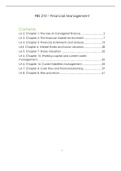
,Inhoud
Theme 1 - Neoplasia...............................................................................................................................3
Lecture 1.1 & 1.2 – Clinical pathology................................................................................................3
Skin cancer......................................................................................................................................3
Tissue damage................................................................................................................................4
Lecture 1.3 - Molecular pathology......................................................................................................4
Non small lung cancer....................................................................................................................4
Melanoma’s....................................................................................................................................5
Gastro intestinal stromal tumours..................................................................................................5
Molecular analysis: DNA sequencing..............................................................................................5
Lecture 1.4 – Chromosomal abnormalities........................................................................................6
Multiplex PCR.................................................................................................................................7
Multiplex ligation probe amplification............................................................................................7
Lecture 1.5 – Hematological malignancies.........................................................................................8
Lymphoma’s...................................................................................................................................8
Lecture 1.6 – Lymphoma diagnostics and clonality assessment.........................................................9
Immunoglobulin and somatic hypermutation................................................................................9
Lecture 1.7 & 1.8 – Cervical cancer...................................................................................................11
Theme 2 - Artificial Intelligence in clinical pathology...........................................................................13
Lecture 2.1 – Basis of Artificial Intelligence in medicine...................................................................13
Artificial Intelligence Neural networks deep learning .................................................................13
How to create a neural network...................................................................................................14
Theme 3 – Nephropathology................................................................................................................15
Lecture 3.1 – The urinary system......................................................................................................15
The nephron.................................................................................................................................15
Reabsorption and secretion..........................................................................................................15
The renal corpuscle.......................................................................................................................16
The vascular pole and the tubular pole........................................................................................16
The juxtaglomerular apparatus....................................................................................................17
Lecture 3.2 – Pathology of the kidney I............................................................................................18
, Theme 1 - Neoplasia
Lecture 1.1 & 1.2 – Clinical pathology
A clinical pathologist is a medical specialist who diagnoses diseases via cells and tissue experiments
(staining/microscopy). Investigation of tumours is performed in multiple steps:
1. Line of differentiation: from which cells is the tumours derived from.
2. Determination whether the tumours is benign or malignant
Skin cancer
The skin contains a lot of different structures that can give rise to different tumours. Basal cell
carcinoma (BCC) is the most common cancer and skin cancer. The BCC is derived from hair follicle
and doesn’t metastasizes which doesn’t make it lethal. Only localized in the skin and can be locally
aggressive. Usually adjacent to the epidermis but also can be loose in the dermis. They have very
sparce cytoplasm (stains pink) and large nuclei (stain pink). They show peritumoral clefting (wide
areas between tumours cells and non-tumours cells). Main cause of BCC is UV exposure which mostly
is seen in the age of >40. There are five different forms of cancer:
Basal cell carcinoma
Squamous cell carcinoma
Melanoma
Langerhans cell histiocytosis
Merkel cell carcinoma
Squamous cell carcinoma (SCC) is the second most common cancer in the Netherlands. Is derived
from epidermis or keratinocytes. Mostly found in skin which is exposed to UV. Metastasized in
approximately 2%. Immune compromised patients can develop SCC because of a HPV infection.
There are two types of pre-SCC: Actinical keratosis (caused by UV) and Morbus Bowen (caused by
HPV).
Melanoma tumours are derived from melanocytes which are pigment producing cells (melanin) in
the basal layer in the epidermis. Melanomas can migrate to the eye and nervous system. A benign
melanocyte is called nervus (moedervlek). They are developed mostly in the first 2 years of life. 60%
of nevus have a driver mutation called BRAFV600E and 20% have a NRAS mutation. The BRAF
mutation affects the MAPK pathway, overactivation of the pathway leading to excessive growth.
Malignant melanoma has often rapid growth and infiltrate other tissue. They metastasize and form
atypical cells. The ABCD is used to determine whether a tumour is a melanoma:
A: asymmetry
B: border
C: colour
D: diameter
Melanocyte develops in a nevus which then can develop into a melanoma (has the CDKN2A
mutation). CDKN2A gene is a tumours suppressor gene which is involved in regulation of cell cycle
and apoptosis. Loss of function of CDKN2A gene causes less apoptosis and cell cycle arrest.
Stage 1 to 3 of melanomas are surgical removed. There is also systemic treatment such as targeted
therapy were BRAF inhibitors are used and the other treatment is immunotherapy, where they use
immune checkpoint inhibitors. Immune checkpoint inhibitor (ICI) are like a negative feedback loop,
the ICI inhibits the inhibitor which results in continuous activation of the T cells. (inhibit-ception)
pathology
This summary is writt en by dr. A. Lemdjad on 31 january 2023 in Nijmegen, the
Netherlands
,Inhoud
Theme 1 - Neoplasia...............................................................................................................................3
Lecture 1.1 & 1.2 – Clinical pathology................................................................................................3
Skin cancer......................................................................................................................................3
Tissue damage................................................................................................................................4
Lecture 1.3 - Molecular pathology......................................................................................................4
Non small lung cancer....................................................................................................................4
Melanoma’s....................................................................................................................................5
Gastro intestinal stromal tumours..................................................................................................5
Molecular analysis: DNA sequencing..............................................................................................5
Lecture 1.4 – Chromosomal abnormalities........................................................................................6
Multiplex PCR.................................................................................................................................7
Multiplex ligation probe amplification............................................................................................7
Lecture 1.5 – Hematological malignancies.........................................................................................8
Lymphoma’s...................................................................................................................................8
Lecture 1.6 – Lymphoma diagnostics and clonality assessment.........................................................9
Immunoglobulin and somatic hypermutation................................................................................9
Lecture 1.7 & 1.8 – Cervical cancer...................................................................................................11
Theme 2 - Artificial Intelligence in clinical pathology...........................................................................13
Lecture 2.1 – Basis of Artificial Intelligence in medicine...................................................................13
Artificial Intelligence Neural networks deep learning .................................................................13
How to create a neural network...................................................................................................14
Theme 3 – Nephropathology................................................................................................................15
Lecture 3.1 – The urinary system......................................................................................................15
The nephron.................................................................................................................................15
Reabsorption and secretion..........................................................................................................15
The renal corpuscle.......................................................................................................................16
The vascular pole and the tubular pole........................................................................................16
The juxtaglomerular apparatus....................................................................................................17
Lecture 3.2 – Pathology of the kidney I............................................................................................18
, Theme 1 - Neoplasia
Lecture 1.1 & 1.2 – Clinical pathology
A clinical pathologist is a medical specialist who diagnoses diseases via cells and tissue experiments
(staining/microscopy). Investigation of tumours is performed in multiple steps:
1. Line of differentiation: from which cells is the tumours derived from.
2. Determination whether the tumours is benign or malignant
Skin cancer
The skin contains a lot of different structures that can give rise to different tumours. Basal cell
carcinoma (BCC) is the most common cancer and skin cancer. The BCC is derived from hair follicle
and doesn’t metastasizes which doesn’t make it lethal. Only localized in the skin and can be locally
aggressive. Usually adjacent to the epidermis but also can be loose in the dermis. They have very
sparce cytoplasm (stains pink) and large nuclei (stain pink). They show peritumoral clefting (wide
areas between tumours cells and non-tumours cells). Main cause of BCC is UV exposure which mostly
is seen in the age of >40. There are five different forms of cancer:
Basal cell carcinoma
Squamous cell carcinoma
Melanoma
Langerhans cell histiocytosis
Merkel cell carcinoma
Squamous cell carcinoma (SCC) is the second most common cancer in the Netherlands. Is derived
from epidermis or keratinocytes. Mostly found in skin which is exposed to UV. Metastasized in
approximately 2%. Immune compromised patients can develop SCC because of a HPV infection.
There are two types of pre-SCC: Actinical keratosis (caused by UV) and Morbus Bowen (caused by
HPV).
Melanoma tumours are derived from melanocytes which are pigment producing cells (melanin) in
the basal layer in the epidermis. Melanomas can migrate to the eye and nervous system. A benign
melanocyte is called nervus (moedervlek). They are developed mostly in the first 2 years of life. 60%
of nevus have a driver mutation called BRAFV600E and 20% have a NRAS mutation. The BRAF
mutation affects the MAPK pathway, overactivation of the pathway leading to excessive growth.
Malignant melanoma has often rapid growth and infiltrate other tissue. They metastasize and form
atypical cells. The ABCD is used to determine whether a tumour is a melanoma:
A: asymmetry
B: border
C: colour
D: diameter
Melanocyte develops in a nevus which then can develop into a melanoma (has the CDKN2A
mutation). CDKN2A gene is a tumours suppressor gene which is involved in regulation of cell cycle
and apoptosis. Loss of function of CDKN2A gene causes less apoptosis and cell cycle arrest.
Stage 1 to 3 of melanomas are surgical removed. There is also systemic treatment such as targeted
therapy were BRAF inhibitors are used and the other treatment is immunotherapy, where they use
immune checkpoint inhibitors. Immune checkpoint inhibitor (ICI) are like a negative feedback loop,
the ICI inhibits the inhibitor which results in continuous activation of the T cells. (inhibit-ception)