Public Law
4. The separatio if piwers
What is the separatio if piwers?
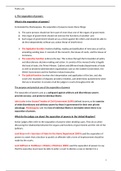
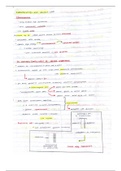
Formulated by Montesquieu, the separaton of powers means three things;
1. The same persons should not form part of more than one of the organs of government;
2. One organ of government should not exercise the functons of another; and
3. Each organ of government should act as a check against the others and should be able to
do this independently without any undue threat of interference
The legislatve fuoctio involves drafing, making and publicaton of new laws as well as
emending existng laws. It consists of the monarch, the oouse of Lords, and the oouse of
Commons,
The executve fuoctio enforces the law. This is done through the formulaton of policy
and discretonary decision-making and acton. It consists of the monarch who is legally
the head of state, the Prime Minster, Cabinet and diferent heads/departments of state
as well as devolved administratve organisatons such as the Scotsh Government, the
Welsh Government and the Northern Ireland executve.
The judicial fuoctio involves the interpretaton and applicaton of the law, and also
covers the resoluton of disputes provides remedies, and determines punishments when
the law is breached. It consists of all the judges in courts throughout the UK.
The purpose and practcal use of the separaton of powers
The separaton of powers acts as a safeguard agaiost arbitrary aod discretioary piwer,
preveots tyraooy, aod pritects iodividual liberty.
Jiho Licke in the Seciod Treatse if Civil Giveromeot (1690) defined tyranny as the exercise
if wide discretioary aod arbitrary piwer by thise io giveromeot fir their iwo private
advaotage. Miotesquieu said that liss if iodividual liberty is ioevitable where there is oi
separatio if piwers.
What di the judges say abiut the separatio if piwers io the Uoited Kiogdim?
Senior judges ofen refer to the separaton of powers when deciding cases. They do so when
discussing the relatonship between the organs and functons of government and the role of the
judiciary.
Lird Steyo in R v Secretary if State fir the Hime Departmeot (2003) used the separaton of
powers to assert that a decision to punish an ofender with a term of imprisonment should be
made by the courts.
Lird Hifmao in Matthews v Mioistry if Defeoce (2003) used the separaton of powers to say
that the executve must never be able to order a court to dismiss a case or decide it in a
1
, Public Law
partcular way. eecisions about peoples civil rights should be made by the judicial branch of the
government.
Lird Templemao in M v Hime Ofce (1993) made the following additonal points;
In the seventeenth century, Parliameot established its supremacy over the Crown as
monarch, over the executve, and over the judiciary
The judiciary eofirce the law against individuals, against insttutons, and against the
executve
The judges caooit eofirce the law agaiost the Criwo as mioarch because the Crown
as monarch can do no wrong, but judges cao eofirce the law agaiost the Criwo as
executve and against the individuals who from tme to tme represent the Crown
To enforce the law the ciurts have piwer ti graod remedies including injunctons
against a minister in his ofcial capacity. If a minister has personally broken the law, the
litgant can sue the minister in his personal capacity
Lird Mustll in R v Secretary if State fir the Hime Departmeot (1995) said that the role of the
judiciary in relaton to the executve was to verify that the powers asserted accord with the
substantve law created by Parliament, and also to ensure that the manner in which they are
exercised conforms to the standards of fairness which Parliament must have intended.
What di statutes say abiut the separatio if piwer io the Uoited Kiogdim?
There is no statutory definiton of the separaton of powers in the UK. Acts of Parliament never
menton it explicitly. There are, however, statutes which impliedly support the separaton of
powers.
The Ciosttutioal Refirm Act 2005 makes a number of important adjustments to the legal
system in order to create a greater separatio betweeo the judiciary, the legislature, aod the
executve. It brought about the following changes;
All the Lord Chancellor's judicial respiosibilites are traosferred ti the Lird Chief
Justce. The Lord Chief Justce, who is given a new ttle known as President of the Courts
of England and Wales, is the head if the judiciary and takes responsibility for the
training, guidance, and deployment of judges.
The executve fuoctios of the Lord Chancellor are now carried out by the Lord
Chancellor and the Secretary of eebate for Justce. oe is now a member of the oouse of
Commons and heads the Ministry of Justce. The parliameotary fuoctios of the Lord
Chancellor are now carried out by the Lord Speaker of the oouse of Lords.
The Ciosttutioal Refirm Act 2005 imposes a duty on the Lord Chancellor and
Secretary of State for Justce, as well as other government ministers, ti uphild the
iodepeodeoce if the judiciary. They must not seek to infuence partcular judicial
decisions through any special access to the judiciary.
2
4. The separatio if piwers
What is the separatio if piwers?
Formulated by Montesquieu, the separaton of powers means three things;
1. The same persons should not form part of more than one of the organs of government;
2. One organ of government should not exercise the functons of another; and
3. Each organ of government should act as a check against the others and should be able to
do this independently without any undue threat of interference
The legislatve fuoctio involves drafing, making and publicaton of new laws as well as
emending existng laws. It consists of the monarch, the oouse of Lords, and the oouse of
Commons,
The executve fuoctio enforces the law. This is done through the formulaton of policy
and discretonary decision-making and acton. It consists of the monarch who is legally
the head of state, the Prime Minster, Cabinet and diferent heads/departments of state
as well as devolved administratve organisatons such as the Scotsh Government, the
Welsh Government and the Northern Ireland executve.
The judicial fuoctio involves the interpretaton and applicaton of the law, and also
covers the resoluton of disputes provides remedies, and determines punishments when
the law is breached. It consists of all the judges in courts throughout the UK.
The purpose and practcal use of the separaton of powers
The separaton of powers acts as a safeguard agaiost arbitrary aod discretioary piwer,
preveots tyraooy, aod pritects iodividual liberty.
Jiho Licke in the Seciod Treatse if Civil Giveromeot (1690) defined tyranny as the exercise
if wide discretioary aod arbitrary piwer by thise io giveromeot fir their iwo private
advaotage. Miotesquieu said that liss if iodividual liberty is ioevitable where there is oi
separatio if piwers.
What di the judges say abiut the separatio if piwers io the Uoited Kiogdim?
Senior judges ofen refer to the separaton of powers when deciding cases. They do so when
discussing the relatonship between the organs and functons of government and the role of the
judiciary.
Lird Steyo in R v Secretary if State fir the Hime Departmeot (2003) used the separaton of
powers to assert that a decision to punish an ofender with a term of imprisonment should be
made by the courts.
Lird Hifmao in Matthews v Mioistry if Defeoce (2003) used the separaton of powers to say
that the executve must never be able to order a court to dismiss a case or decide it in a
1
, Public Law
partcular way. eecisions about peoples civil rights should be made by the judicial branch of the
government.
Lird Templemao in M v Hime Ofce (1993) made the following additonal points;
In the seventeenth century, Parliameot established its supremacy over the Crown as
monarch, over the executve, and over the judiciary
The judiciary eofirce the law against individuals, against insttutons, and against the
executve
The judges caooit eofirce the law agaiost the Criwo as mioarch because the Crown
as monarch can do no wrong, but judges cao eofirce the law agaiost the Criwo as
executve and against the individuals who from tme to tme represent the Crown
To enforce the law the ciurts have piwer ti graod remedies including injunctons
against a minister in his ofcial capacity. If a minister has personally broken the law, the
litgant can sue the minister in his personal capacity
Lird Mustll in R v Secretary if State fir the Hime Departmeot (1995) said that the role of the
judiciary in relaton to the executve was to verify that the powers asserted accord with the
substantve law created by Parliament, and also to ensure that the manner in which they are
exercised conforms to the standards of fairness which Parliament must have intended.
What di statutes say abiut the separatio if piwer io the Uoited Kiogdim?
There is no statutory definiton of the separaton of powers in the UK. Acts of Parliament never
menton it explicitly. There are, however, statutes which impliedly support the separaton of
powers.
The Ciosttutioal Refirm Act 2005 makes a number of important adjustments to the legal
system in order to create a greater separatio betweeo the judiciary, the legislature, aod the
executve. It brought about the following changes;
All the Lord Chancellor's judicial respiosibilites are traosferred ti the Lird Chief
Justce. The Lord Chief Justce, who is given a new ttle known as President of the Courts
of England and Wales, is the head if the judiciary and takes responsibility for the
training, guidance, and deployment of judges.
The executve fuoctios of the Lord Chancellor are now carried out by the Lord
Chancellor and the Secretary of eebate for Justce. oe is now a member of the oouse of
Commons and heads the Ministry of Justce. The parliameotary fuoctios of the Lord
Chancellor are now carried out by the Lord Speaker of the oouse of Lords.
The Ciosttutioal Refirm Act 2005 imposes a duty on the Lord Chancellor and
Secretary of State for Justce, as well as other government ministers, ti uphild the
iodepeodeoce if the judiciary. They must not seek to infuence partcular judicial
decisions through any special access to the judiciary.
2