QUALITATIVE ANALYSIS OF SOCIAL RESEARCH DATA
SG2056
WEEK 2: THEMATIC ANALYSIS
Dr Jacqueline Gibbs
, WORKING WITH QUALITATIVE
DATA
▪ Inductive approach means we have collected
significant amounts of open or semi-
structured data
▪ To develop theory, we need a way to
manage, organise and sort through the
dataset and relationship within it
▪ Collection of data and analysis of data is
ongoing and iterative process
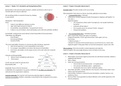
, D E F I N I N G T H E M AT I C A N A LYS I S
• “…the term thematic analysis refers to the process of
analyzing data according to commonalities, relationships
and differences across a data set. The word ‘thematic’
relates to the aim of searching for aggregated themes
within data.” (Gibson and Brown 2009)
• “a method for developing, analysing and interpreting
patterns across a qualitative dataset, which involves
systematic processes of data coding to develop themes –
themes are your ultimate analytic purpose. (Clark and Braun
2021:4)
• TA broadly contains two key elements we will discuss today –
coding the data and development of themes.
, WHY THEMATIC ANALYSIS?
• An accessible, commonly used (though often
misunderstood) method of analysis in
qualitative data.
• Can be used to analyse transcripts, texts,
literature, observation schedules, fieldnotes,
photographs (Gibson and Brown 2009).
• Often becomes generic (even boring) in part
because it is done quickly, or the two stages of
analysis are combined.
, GOOD AND BAD THEMATIC ANALYSIS
Complexity: as Van However,Van Manen
Manen (1998) argues, May generalise a life describes a theme as ‘li
themes may stand in for experience into a ‘type’ – knots in the webs of ou
(but miss out on) the which can hide as much as experiences, around wh
richness they attempt to it reveals. certain lived experienc
detail are spun’ (1998: 90).
Clark and Braun (2021)
Essential that remember
argue that TA is too easily
context and sampling.
treated like a list of topics.
, CHALLENGES AND BENEFITS OF
THEMATIC ANALYSIS
• No right or wrong – your role as a researcher is central.
• Themes are analytical and relational, which means they are
developed through the process of embeddedness in the data
and the researcher’s journey.
• We can discuss how and why to develop themes in the
context research, but as Henn et. al. (2006:202) argue
“coding is a process for which there are no rules, merely
guidelines.”
• Clark and Braun (2021:11) emphasise the ‘process’ of TA
you are the “director of your analytical journey”.
SG2056
WEEK 2: THEMATIC ANALYSIS
Dr Jacqueline Gibbs
, WORKING WITH QUALITATIVE
DATA
▪ Inductive approach means we have collected
significant amounts of open or semi-
structured data
▪ To develop theory, we need a way to
manage, organise and sort through the
dataset and relationship within it
▪ Collection of data and analysis of data is
ongoing and iterative process
, D E F I N I N G T H E M AT I C A N A LYS I S
• “…the term thematic analysis refers to the process of
analyzing data according to commonalities, relationships
and differences across a data set. The word ‘thematic’
relates to the aim of searching for aggregated themes
within data.” (Gibson and Brown 2009)
• “a method for developing, analysing and interpreting
patterns across a qualitative dataset, which involves
systematic processes of data coding to develop themes –
themes are your ultimate analytic purpose. (Clark and Braun
2021:4)
• TA broadly contains two key elements we will discuss today –
coding the data and development of themes.
, WHY THEMATIC ANALYSIS?
• An accessible, commonly used (though often
misunderstood) method of analysis in
qualitative data.
• Can be used to analyse transcripts, texts,
literature, observation schedules, fieldnotes,
photographs (Gibson and Brown 2009).
• Often becomes generic (even boring) in part
because it is done quickly, or the two stages of
analysis are combined.
, GOOD AND BAD THEMATIC ANALYSIS
Complexity: as Van However,Van Manen
Manen (1998) argues, May generalise a life describes a theme as ‘li
themes may stand in for experience into a ‘type’ – knots in the webs of ou
(but miss out on) the which can hide as much as experiences, around wh
richness they attempt to it reveals. certain lived experienc
detail are spun’ (1998: 90).
Clark and Braun (2021)
Essential that remember
argue that TA is too easily
context and sampling.
treated like a list of topics.
, CHALLENGES AND BENEFITS OF
THEMATIC ANALYSIS
• No right or wrong – your role as a researcher is central.
• Themes are analytical and relational, which means they are
developed through the process of embeddedness in the data
and the researcher’s journey.
• We can discuss how and why to develop themes in the
context research, but as Henn et. al. (2006:202) argue
“coding is a process for which there are no rules, merely
guidelines.”
• Clark and Braun (2021:11) emphasise the ‘process’ of TA
you are the “director of your analytical journey”.