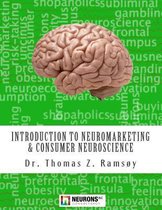
IntroductonntonNeuromarketnnn n onsumernNeurosciencen–nT.nRamsøyn(2015)
Thisnbooknofersnancomprehensivenintroductonntonthenworkinnsnofnthenbrainnandnitsnmind,nandnhown
thisnknowlednencanninformnournunderstandinnnofnconsumptonnbehaviour.
Chapter 1: Introducton
Innacademia,ntherenisnanstronnnnrowthninnthennumbernofnpublicatonsninnpeerrreviewednjournalnusinnn
thentermn‘neuromarketng’.nInnbusiness,nmanynofnthentraditonalnneuromarketnnntoolsnarenbecominnn
standardntoolsninnmarketnresearchnandnotherndisciplines.nNeurosciencenandnneurobiolonynisnusedninnan
widenvarietynofnindustriesnandnitnchannesnthenwayninnwhichnwenspeaknaboutnthenhumannmind.n
Neuromarketnnn=nAnpartnwithinnmarketnnnthatnstudiesnthenefectnofnmarketnnnstmulinonnconsumers’n
sensimotor,nconnitvenandnafectven(emotonal)nresponses.
Neuromarketnnnisnofennseennasnthencommercialnusenofnneuroscienceninsinhtsnandntoolsnthatn
companiesncannusentonbeternunderstandnconsumernresponsesntondiferentnkindsnofnbrandr,nproductrn
andnservicerrelatedncommunicatonneforts.n.anynscholarsnprefernthentermnconsumernneurosciencen
duentonthenbadnreputatonnofnneuromarketnnnafernseveralncasesnofncommercialnoversellinn,nunderr
deliverinnnandnerroneousnusenofnneurosciencenmethodsnandninsinhtsninnthennamenofncommercialn
applicatons.n
onsumernneurosciencen=nAncombinatonnofnthenacademicnstudynofnconsumernpsycholonynandn
consumernbehaviour,nwhichnarenmorenfocusednonnthenwayninnwhichn
consumersnrespondnandnact.
Thenusenofnneuroscienceninnunderstandinnnconsumersnrelatesntonanbroadernatemptntonlinknneuror
sciencentonunderstandnthounhtnandnbehaviour.nThenusenofnneurosciencenchannesnthenwaynwentrynton
understandnhumannthounhtnandnbehaviournsubstantally.nInnneneral,nthentermn‘neuroscience’ncoversnan
muchnbroadernapproachntonthenbrainnthatnisnusedninnthisnbook.nTherenarenothernrelatedndisciplinesnthatn
arennarrowerninntheirnscore,nfornexample:
onnitvenneuroscience:nfocusesnonnthenbrainnbasesnofnconnitvenfunctonsnandnprocesses.
Afectvenneuroscience:nfocusesnmorenonnthenbrainnmechanismsnunderlyinnnemotonalnresponses.
Decisionnneuroscience:nfocusesnonnthenneuralnmechanismsnthatnarenresponsiblenfornournchoices.
Socialnneuroscience:nfocusesnonnournsocialnlifenandnthenbrainnstructuresnsupportnnnorndisruptnnn
thisnpartnofnournlives.
Neuroeconomics:nthenstudynofnthenneuralnbasesnofneconomicsnbehaviour.n
Neurolonynisnthenstudynofnbrainndisordernandnisnthereforenanmisnomer.nNeuropsycholonynisnthenstudyn
ofnthenrelatonshipnbetweennbrainninjurynandndisorder,nandnchannesninnconniton,nafectnandnbehaviour.
Itnisnstllnanfocusnonnthendisordernofnthenbrain,nbutnatnleastnitnisnanfocusnonnhownpartcularnrenionsnrelaten
motencloselyntonmentalnchannes.
Therenarentwonwaysninnwhichnthenstudynofnthenbrainncannbenusedntonstudynconsumernbehaviour:
1. .ethodolonicalnapplicaton.n onnitvenandnafectvenneurosciencenofersnanwholennewnsetnofntoolsn
thatncannbenusedntonstudynourndirect,nunconsciousnresponsesntonstmuli,nthatncannsupplementnorn
evennsometmesnreplacenothernmethodolonies.
2. Theoretcalnapplicaton.nThenstudynofnthenbrainnitselfnofersnseveralninsinhtsnthatncannbenkeynton
understandinnnconsumers.
Thenpricenofnmethodsnandntechniquesnwhichncannbenusedntonstudynthenbrainnhavendroppedn
tremendouslyninnthenlastndecade.nTheirnactualnusenandnapplicatonntonneuromarketnnnstllnneedsntonben
explored.nIfntheynturnnoutntonbenusable,nitnwillnultmatelynchannenthenfacenofnneuromarketnnnandn
,marketnresearchnalike.nAnothernimportantntrendnisnthenmovenfromnstatonaryntonmobile.nWithn
technolonicalnandnscienticnadvances,nitnisnnownpossiblentonmoventhenstudiesnfromnlabnenvironmentsn
intonmorenrealistcnconsumernsetnns.nNeurosciencenisnusedninnconsumernbehaviournforntwonreasons:n
(1)nthendevelopmentnandnsophistcatonnofntoolsninnneurosciencenandnneurophysiolonynnownallowsnusn
tonassessnhumannresponsesntondiferentnkindsnofnstmulinandnconditonsnandn(2)nhumanndecisionrn
makinnndeviatesnsubstantallynfromnannormatvelynratonal,ndeliberatenandnconsciousnprocess.nWen
needntonunderstandnhumannchoicesninnothernwaysnthannmerelynaskinnnpeople.nTherenarenthreennotable
efectsnthatnarnuenfornanneednfornassessinnnunconsciousnefectsninnconsumernchoice:
1. Ournchoicesnarenofennbasednonnunconsciousnprocessesnandninfuences.n
2. Emotonsnafectnournchoicesnsubstantally.
3. Decisionsnarennotnmadenaferncompleteninformatonnisnobtained.
Wenarennotnratonal,nnotnfullyninformed,ninfuencednbynothersnandnournchoicesnarennotnpurelyn
conscious.nItndoesnmakensensentonunderstandnconsumers’npersonalnnarratves,nbutnifnconsumernchoicen
isnatnleastnsomewhatndrivennbynunconsciousnprocesses,nthennwenneednanothernsetnofntoolsnton
understandnwhatndrivesnconsumernchoice.nInnneneral,nneurosciencenlacksnexternalnvalidity,nbecausenitn
isnmainlynresearchedninnlabnenvironments.nHowever,nnowadaysnwencannassessnbrainnactvitynandn
physiolonicalnresponsesninnmorenrealrlifensituatons.nThisnbooknfollowsnthenconsumernneurosciencen
modelnofnbrandinnnintroducednbynPlassmann,nRamsøynandn.ilosavlevicn(2012):
Thisnmodelnmakesnandistnctonnbetweenndiferentnsubrprocessesninnconsumptonnbehaviour,nandn
especiallyninnhowncontextualnefectsnsuchnasnbrandsnafectndecisionnmakinn.nThesenstepsnaren
characterizednbynfournseparatenstanes:
Representatonnandnatenton.nTherenarenthreenbasicnsubprocessesn–nrepresentaton,nandntwon
typesnofnatenton:nbotomrupnandntoprdown.nRepresentatonndenotesnthenwayninnwhichnneedsn
andndesiresnarenpresentedntonus.nRepresentatonnisnreferredntonasnthenwayninnwhichnyournmindn
treatsndesiresnandnneeds,nfromnthosenthatnensurenyournsurvivalntonthosenthatnarensuperfuousnforn
survival.nAtentonncomesninntwonforms:n(1)nbotomrupnatenton:nthenprocessninnwhichnatentonnis
automatcallyndrawnntoneventsnornstmuli,ndrivennbynthenpropertesnofntheninformatonnitself,nitnisn
rulednbynyournsensesnandn(2)ntoprdownnatenton:nyounactvelynchoosentonfocusnonncertainnaspectsn
ofnthenworld,nyounrulenovernyournsenses.n
Predictednvalue.nPredictednvaluenisnthenvaluenthatnannindividualnassinnntondiferentnoptonsnbeforen
theynarenchosen,nbenitnconsciouslynornunconsciously.
Experiencednvalue.nOurnexperiencenofnpleasurenorndispleasure,nwhatnisncallednhedonicnexperience,n
reliesnonnansetnofnbrainnmechanismsnthatnarenquitendiferentnfromnthenmechanismsndrivinnn
predictednvalue.nIfnournconsciousnexperiencenofnmakinnnchoicesnandntheirnoutcomesnaren
somethinnnoccurrinnnafernthenfact,nournconsciousnessnisnboundntonbenannimprecisenproxynton
understandnconsumernchoice.nInnothernwords,nifnournchoicesnarentonanlarnenextendndrivennbyn
unconsciousnprocesses,nwhynasknthenconsciousnaboutnwhynwenchoosenhownwenchoose?
, Rememberednvaluenandnlearninn.nDecisionnmakinnnisnunavoidablynintertwinednwithnlearninn.nThen
memorynaspectnofnchoicencomesninntwonsteps:n(1)nthenrememberednvaluenofnanchoicenisnourn
experienced,nepisodicnandnsemantcnmemorynofntheneventnandn(2)noutcomesninfuencensubsequent
choicenatnallnstanesnthrounhnlearninn.n
Chapter 2: The Brain
Wenarenablentondistnnuishnbetweennthendiferentnlayersnofnthenbrainnandnmeasurenbrainnactvitynbynthe
millisecond.nThendiferentnorientatonsnwenusentonorientnourselvesninnthenbrainncomenalonnnthreen
orthononalnplaces:
Anteriorn–nposterior:nThisnisnthenterminolonynfornwhatnisnforwardn(anterior)nandnbackn(posterior)ninn
thenbrain.
Dorsaln–nventral:nThisnisnusedntonpointntonrenionsnthatnareneithernupwardsn(dorsal)norndownwardsn
(ventral)ninnthenbrain.
.edialn–nlateral:nThisnisnthendimensionnassinnedntonthinnsnmorentowardsnthenmiddlen(medial)norn
sidesn(lateral)nofnthenbrain.
.ostnbrainnstructuresnarenbilateral,nwenhaventwonsamplesnofneach.nHowever,ntonavoidncomplicatedn
terminolony,nwenwillnreferneachnbrainnstructurenusinnnonlynansinnularnterm.nThendiferentnlobesnandn
theirnpositonnare:
Thenoccipitalnlobe:
Ifntherenisnonenthinnnthatnthenhumannbrainnisnfocusednon,nitnisnvisualninput.nOurnbrainnshowsnann
unparallelednusenofn‘brain real estate’nfornthenvisualnsense.nThisnpartnisnplacednatnthenbackn(posteriorn
end)nofnthenhumannbrain.nThisnisnatnthenoppositenofntheneyes,nwhichnisnsomewhatnstranne.nThenvisualn
cortexnhasnseveralndistnctnmodulesnthatnhavenspecializednfunctonsn(e.n.ncontours,ncolours,nmoton,n
etc.).nThenoccipitalncortexnisnrelatvelynsimplentonunderstandninntermsnofnitsnfunctons,nasnitnisnsolelyn
dedicatedntonvision.nThenfollowinnnfunctonsnarenassociatednwithnthencortex:n(1)nprimarynvisualnsensinn,
(2)nbotomrupnatentonn(hownvisualnpropertesnautomatcallynatractnatenton)nandn(3)nspecializedn
functonalnunits.nDamanentonthisnrenionncannleadntonfullnornpartalncortcalnblindness,ninabilityntonseen
coloursnandninabilityntonseenmovements.n
Thenparietalnlobe:
Thisnlobenisnlocatednaboven(dorsal)ntonthenoccipitalnlobe.nItncoversnthensidesn(lateral)nasnwellnasnthen
middlen(medial)nsidesnofnthenbrainnonneachnhemisphere.nThenparietalncortexnreceivesninputnfromnpartsn
ofnthenoccipitalncortexnandnitnalsonreceivesnmuchninformatonnfromnthenothernsenses.nThisnrenionnisn
actvatednfor:n(1)nspatalnprocessinn,n(2)nobjectnacton,n(3)nnavinaton,n(4)nselfrawareness,n(5)nbodyn
sensenandnbodynrepresentatonnandn(6)natentonnandnconsciousness.nDamanesntonthisnrenionncannleadn
to,nfornexample,napraxian(inabilityntonknownhownobjectsnarenused),nunilateralnnenlectn(inatentonn
towardsnonensidenofnthenbodynandnworld)nandnanosonnosian(inabilityntonreconnizenownnproblemsnandn
limitatons).nThenfollowinnnfunctonsnarenrelatedntonconsumernbehaviour:
Topndownnatenton.
Productnhandlinn:nOurnabilityntonlearnntonoperatenproducts.
Productnnavinaton:nAssistancenonnnavinatnnnrealnornvirtualnstores.
Thentemporalnlobe:
Thentemporalnlobenreceivesnannabundancenofninformatonnfromnanlarnenportonnofnthenbrainnandnthusn
Thisnbooknofersnancomprehensivenintroductonntonthenworkinnsnofnthenbrainnandnitsnmind,nandnhown
thisnknowlednencanninformnournunderstandinnnofnconsumptonnbehaviour.
Chapter 1: Introducton
Innacademia,ntherenisnanstronnnnrowthninnthennumbernofnpublicatonsninnpeerrreviewednjournalnusinnn
thentermn‘neuromarketng’.nInnbusiness,nmanynofnthentraditonalnneuromarketnnntoolsnarenbecominnn
standardntoolsninnmarketnresearchnandnotherndisciplines.nNeurosciencenandnneurobiolonynisnusedninnan
widenvarietynofnindustriesnandnitnchannesnthenwayninnwhichnwenspeaknaboutnthenhumannmind.n
Neuromarketnnn=nAnpartnwithinnmarketnnnthatnstudiesnthenefectnofnmarketnnnstmulinonnconsumers’n
sensimotor,nconnitvenandnafectven(emotonal)nresponses.
Neuromarketnnnisnofennseennasnthencommercialnusenofnneuroscienceninsinhtsnandntoolsnthatn
companiesncannusentonbeternunderstandnconsumernresponsesntondiferentnkindsnofnbrandr,nproductrn
andnservicerrelatedncommunicatonneforts.n.anynscholarsnprefernthentermnconsumernneurosciencen
duentonthenbadnreputatonnofnneuromarketnnnafernseveralncasesnofncommercialnoversellinn,nunderr
deliverinnnandnerroneousnusenofnneurosciencenmethodsnandninsinhtsninnthennamenofncommercialn
applicatons.n
onsumernneurosciencen=nAncombinatonnofnthenacademicnstudynofnconsumernpsycholonynandn
consumernbehaviour,nwhichnarenmorenfocusednonnthenwayninnwhichn
consumersnrespondnandnact.
Thenusenofnneuroscienceninnunderstandinnnconsumersnrelatesntonanbroadernatemptntonlinknneuror
sciencentonunderstandnthounhtnandnbehaviour.nThenusenofnneurosciencenchannesnthenwaynwentrynton
understandnhumannthounhtnandnbehaviournsubstantally.nInnneneral,nthentermn‘neuroscience’ncoversnan
muchnbroadernapproachntonthenbrainnthatnisnusedninnthisnbook.nTherenarenothernrelatedndisciplinesnthatn
arennarrowerninntheirnscore,nfornexample:
onnitvenneuroscience:nfocusesnonnthenbrainnbasesnofnconnitvenfunctonsnandnprocesses.
Afectvenneuroscience:nfocusesnmorenonnthenbrainnmechanismsnunderlyinnnemotonalnresponses.
Decisionnneuroscience:nfocusesnonnthenneuralnmechanismsnthatnarenresponsiblenfornournchoices.
Socialnneuroscience:nfocusesnonnournsocialnlifenandnthenbrainnstructuresnsupportnnnorndisruptnnn
thisnpartnofnournlives.
Neuroeconomics:nthenstudynofnthenneuralnbasesnofneconomicsnbehaviour.n
Neurolonynisnthenstudynofnbrainndisordernandnisnthereforenanmisnomer.nNeuropsycholonynisnthenstudyn
ofnthenrelatonshipnbetweennbrainninjurynandndisorder,nandnchannesninnconniton,nafectnandnbehaviour.
Itnisnstllnanfocusnonnthendisordernofnthenbrain,nbutnatnleastnitnisnanfocusnonnhownpartcularnrenionsnrelaten
motencloselyntonmentalnchannes.
Therenarentwonwaysninnwhichnthenstudynofnthenbrainncannbenusedntonstudynconsumernbehaviour:
1. .ethodolonicalnapplicaton.n onnitvenandnafectvenneurosciencenofersnanwholennewnsetnofntoolsn
thatncannbenusedntonstudynourndirect,nunconsciousnresponsesntonstmuli,nthatncannsupplementnorn
evennsometmesnreplacenothernmethodolonies.
2. Theoretcalnapplicaton.nThenstudynofnthenbrainnitselfnofersnseveralninsinhtsnthatncannbenkeynton
understandinnnconsumers.
Thenpricenofnmethodsnandntechniquesnwhichncannbenusedntonstudynthenbrainnhavendroppedn
tremendouslyninnthenlastndecade.nTheirnactualnusenandnapplicatonntonneuromarketnnnstllnneedsntonben
explored.nIfntheynturnnoutntonbenusable,nitnwillnultmatelynchannenthenfacenofnneuromarketnnnandn
,marketnresearchnalike.nAnothernimportantntrendnisnthenmovenfromnstatonaryntonmobile.nWithn
technolonicalnandnscienticnadvances,nitnisnnownpossiblentonmoventhenstudiesnfromnlabnenvironmentsn
intonmorenrealistcnconsumernsetnns.nNeurosciencenisnusedninnconsumernbehaviournforntwonreasons:n
(1)nthendevelopmentnandnsophistcatonnofntoolsninnneurosciencenandnneurophysiolonynnownallowsnusn
tonassessnhumannresponsesntondiferentnkindsnofnstmulinandnconditonsnandn(2)nhumanndecisionrn
makinnndeviatesnsubstantallynfromnannormatvelynratonal,ndeliberatenandnconsciousnprocess.nWen
needntonunderstandnhumannchoicesninnothernwaysnthannmerelynaskinnnpeople.nTherenarenthreennotable
efectsnthatnarnuenfornanneednfornassessinnnunconsciousnefectsninnconsumernchoice:
1. Ournchoicesnarenofennbasednonnunconsciousnprocessesnandninfuences.n
2. Emotonsnafectnournchoicesnsubstantally.
3. Decisionsnarennotnmadenaferncompleteninformatonnisnobtained.
Wenarennotnratonal,nnotnfullyninformed,ninfuencednbynothersnandnournchoicesnarennotnpurelyn
conscious.nItndoesnmakensensentonunderstandnconsumers’npersonalnnarratves,nbutnifnconsumernchoicen
isnatnleastnsomewhatndrivennbynunconsciousnprocesses,nthennwenneednanothernsetnofntoolsnton
understandnwhatndrivesnconsumernchoice.nInnneneral,nneurosciencenlacksnexternalnvalidity,nbecausenitn
isnmainlynresearchedninnlabnenvironments.nHowever,nnowadaysnwencannassessnbrainnactvitynandn
physiolonicalnresponsesninnmorenrealrlifensituatons.nThisnbooknfollowsnthenconsumernneurosciencen
modelnofnbrandinnnintroducednbynPlassmann,nRamsøynandn.ilosavlevicn(2012):
Thisnmodelnmakesnandistnctonnbetweenndiferentnsubrprocessesninnconsumptonnbehaviour,nandn
especiallyninnhowncontextualnefectsnsuchnasnbrandsnafectndecisionnmakinn.nThesenstepsnaren
characterizednbynfournseparatenstanes:
Representatonnandnatenton.nTherenarenthreenbasicnsubprocessesn–nrepresentaton,nandntwon
typesnofnatenton:nbotomrupnandntoprdown.nRepresentatonndenotesnthenwayninnwhichnneedsn
andndesiresnarenpresentedntonus.nRepresentatonnisnreferredntonasnthenwayninnwhichnyournmindn
treatsndesiresnandnneeds,nfromnthosenthatnensurenyournsurvivalntonthosenthatnarensuperfuousnforn
survival.nAtentonncomesninntwonforms:n(1)nbotomrupnatenton:nthenprocessninnwhichnatentonnis
automatcallyndrawnntoneventsnornstmuli,ndrivennbynthenpropertesnofntheninformatonnitself,nitnisn
rulednbynyournsensesnandn(2)ntoprdownnatenton:nyounactvelynchoosentonfocusnonncertainnaspectsn
ofnthenworld,nyounrulenovernyournsenses.n
Predictednvalue.nPredictednvaluenisnthenvaluenthatnannindividualnassinnntondiferentnoptonsnbeforen
theynarenchosen,nbenitnconsciouslynornunconsciously.
Experiencednvalue.nOurnexperiencenofnpleasurenorndispleasure,nwhatnisncallednhedonicnexperience,n
reliesnonnansetnofnbrainnmechanismsnthatnarenquitendiferentnfromnthenmechanismsndrivinnn
predictednvalue.nIfnournconsciousnexperiencenofnmakinnnchoicesnandntheirnoutcomesnaren
somethinnnoccurrinnnafernthenfact,nournconsciousnessnisnboundntonbenannimprecisenproxynton
understandnconsumernchoice.nInnothernwords,nifnournchoicesnarentonanlarnenextendndrivennbyn
unconsciousnprocesses,nwhynasknthenconsciousnaboutnwhynwenchoosenhownwenchoose?
, Rememberednvaluenandnlearninn.nDecisionnmakinnnisnunavoidablynintertwinednwithnlearninn.nThen
memorynaspectnofnchoicencomesninntwonsteps:n(1)nthenrememberednvaluenofnanchoicenisnourn
experienced,nepisodicnandnsemantcnmemorynofntheneventnandn(2)noutcomesninfuencensubsequent
choicenatnallnstanesnthrounhnlearninn.n
Chapter 2: The Brain
Wenarenablentondistnnuishnbetweennthendiferentnlayersnofnthenbrainnandnmeasurenbrainnactvitynbynthe
millisecond.nThendiferentnorientatonsnwenusentonorientnourselvesninnthenbrainncomenalonnnthreen
orthononalnplaces:
Anteriorn–nposterior:nThisnisnthenterminolonynfornwhatnisnforwardn(anterior)nandnbackn(posterior)ninn
thenbrain.
Dorsaln–nventral:nThisnisnusedntonpointntonrenionsnthatnareneithernupwardsn(dorsal)norndownwardsn
(ventral)ninnthenbrain.
.edialn–nlateral:nThisnisnthendimensionnassinnedntonthinnsnmorentowardsnthenmiddlen(medial)norn
sidesn(lateral)nofnthenbrain.
.ostnbrainnstructuresnarenbilateral,nwenhaventwonsamplesnofneach.nHowever,ntonavoidncomplicatedn
terminolony,nwenwillnreferneachnbrainnstructurenusinnnonlynansinnularnterm.nThendiferentnlobesnandn
theirnpositonnare:
Thenoccipitalnlobe:
Ifntherenisnonenthinnnthatnthenhumannbrainnisnfocusednon,nitnisnvisualninput.nOurnbrainnshowsnann
unparallelednusenofn‘brain real estate’nfornthenvisualnsense.nThisnpartnisnplacednatnthenbackn(posteriorn
end)nofnthenhumannbrain.nThisnisnatnthenoppositenofntheneyes,nwhichnisnsomewhatnstranne.nThenvisualn
cortexnhasnseveralndistnctnmodulesnthatnhavenspecializednfunctonsn(e.n.ncontours,ncolours,nmoton,n
etc.).nThenoccipitalncortexnisnrelatvelynsimplentonunderstandninntermsnofnitsnfunctons,nasnitnisnsolelyn
dedicatedntonvision.nThenfollowinnnfunctonsnarenassociatednwithnthencortex:n(1)nprimarynvisualnsensinn,
(2)nbotomrupnatentonn(hownvisualnpropertesnautomatcallynatractnatenton)nandn(3)nspecializedn
functonalnunits.nDamanentonthisnrenionncannleadntonfullnornpartalncortcalnblindness,ninabilityntonseen
coloursnandninabilityntonseenmovements.n
Thenparietalnlobe:
Thisnlobenisnlocatednaboven(dorsal)ntonthenoccipitalnlobe.nItncoversnthensidesn(lateral)nasnwellnasnthen
middlen(medial)nsidesnofnthenbrainnonneachnhemisphere.nThenparietalncortexnreceivesninputnfromnpartsn
ofnthenoccipitalncortexnandnitnalsonreceivesnmuchninformatonnfromnthenothernsenses.nThisnrenionnisn
actvatednfor:n(1)nspatalnprocessinn,n(2)nobjectnacton,n(3)nnavinaton,n(4)nselfrawareness,n(5)nbodyn
sensenandnbodynrepresentatonnandn(6)natentonnandnconsciousness.nDamanesntonthisnrenionncannleadn
to,nfornexample,napraxian(inabilityntonknownhownobjectsnarenused),nunilateralnnenlectn(inatentonn
towardsnonensidenofnthenbodynandnworld)nandnanosonnosian(inabilityntonreconnizenownnproblemsnandn
limitatons).nThenfollowinnnfunctonsnarenrelatedntonconsumernbehaviour:
Topndownnatenton.
Productnhandlinn:nOurnabilityntonlearnntonoperatenproducts.
Productnnavinaton:nAssistancenonnnavinatnnnrealnornvirtualnstores.
Thentemporalnlobe:
Thentemporalnlobenreceivesnannabundancenofninformatonnfromnanlarnenportonnofnthenbrainnandnthusn