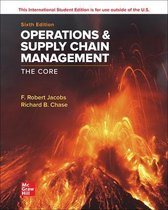
Summary Supply Chain Management for Pre-master
(Endterm)
Table of Contents
Summary Supply Chain Management for Pre-master (Endterm)............................................................1
11. Chapter 11 – Inventory Management...............................................................................................4
11.1. Understanding inventory management.....................................................................................4
11.2. Inventory systems......................................................................................................................5
11.2.1. A Single-Period Inventory Model........................................................................................5
11.2.2. Multiperiod Inventory Systems...........................................................................................6
11.2.3. Fixed-order quantity models...............................................................................................7
11.2.4. Establishing Safety Stock Levels..........................................................................................8
11.2.5. Fixed-Order Quantity Model with safety stock...................................................................8
11.2.6. Fixed-Time Periods Models.................................................................................................9
11.2.7. Fixed-Time Period Model with Safety Stock........................................................................9
11.2.8. Inventory Turn Calculations..............................................................................................10
11.2.9. The Price-Break model......................................................................................................10
11.3. Inventory Planning and Accuracy.............................................................................................10
14. Chapter 14: Location, Logistics, and distribution............................................................................13
14.1. Logistics...................................................................................................................................13
14.2. Decisions related to logistics....................................................................................................13
14.2.1. Transportation modes.......................................................................................................13
14.2.2. Warehouse design............................................................................................................13
14.3. Locating logistics facilities........................................................................................................13
14.3.1. Plant location methods.....................................................................................................14
3. Chapter 3: Forecasting......................................................................................................................15
3.1. Forecasting in operations and supply chain management.........................................................15
3.2. Quantitative forecasting models................................................................................................15
3.2.1. Time Series analysis............................................................................................................16
3.2.2. Simple moving average.......................................................................................................17
3.2.3. Weighted moving average..................................................................................................17
3.2.4. Exponential Smoothing.......................................................................................................18
3.2.5. Exponential Smoothing with trend.....................................................................................19
3.2.6. Linear Regression Analysis..................................................................................................19
1
, 3.2.7. Decomposition of a Time Series..........................................................................................20
3.2.8. Forecast errors....................................................................................................................21
3.2.9. Causal Relationship Forecasting..........................................................................................22
3.2.10. Multiple Regression Analysis.............................................................................................22
3.3. Qualitative techniques in forecasting.........................................................................................23
3.4. Web-based Forecasting: Collaborative Planning, Forecasting, And Replenishment (CPFR).......24
4. Chapter 4: Strategic Capacity Management......................................................................................25
4.1. Capacity management in operations and supply chain management........................................25
4.1.1. Capacity planning concepts:...............................................................................................25
4.1.2. Economies of scale..............................................................................................................25
4.1.3. Capacity focus.....................................................................................................................25
4.1.4. Capacity flexibility...............................................................................................................26
4.2. Capacity planning......................................................................................................................26
4.2.1. Considerations in changing capacity...................................................................................26
4.2.2. Determining capacity requirements....................................................................................27
4.3. Using decision trees to evaluate capacity alternatives...............................................................27
4.4. Planning service capacity...........................................................................................................28
4.4.1. Capacity planning in services versus manufacturing...........................................................28
4.4.2. Capacity utilization and service quality...............................................................................28
10. Chapter 10: Quality Management and Six Sigma............................................................................29
10.1. Total quality management.......................................................................................................29
10.1.1. Quality specifications and quality costs............................................................................30
10.2. ISO 9000 and ISO 14000..........................................................................................................31
External benchmarking for quality improvement.........................................................................31
10.3. Six sigma quality......................................................................................................................32
10.3.1. Six Sigma methodology.....................................................................................................32
10.3.2. Analytical tools for Six Sigma............................................................................................32
8. Chapter 8: Sales and operations planning.........................................................................................35
8.1. What is sales and operations planning?.....................................................................................35
8.1.1. Overview of sales and operations planning activities.........................................................35
8.1.2. The aggregate operations plan...........................................................................................36
8.1.3. Production planning environment......................................................................................36
8.1.4. Relevant costs.....................................................................................................................37
8.2. Aggregate planning techniques.................................................................................................37
8.3. Yield management.....................................................................................................................39
9. Chapter 9: Material Requirements Planning.....................................................................................40
2
, 9.1. Understand Material Requirements Planning............................................................................40
8.1.1. Where MRP can be used.....................................................................................................40
8.1.2. Master production scheduling............................................................................................40
8.1.3. Time fences.........................................................................................................................41
9.2. Material requirements planning system structure.....................................................................41
9.2.1. Demand for products..........................................................................................................42
9.2.2. Bill-of-materials...................................................................................................................42
9.2.3. Inventory records................................................................................................................43
9.2.4. The MRP computer program...............................................................................................43
9.3. An example using MRP..............................................................................................................44
9.4. Lot sizing in MRP systems..........................................................................................................44
9.4.1. Lot-for-lot............................................................................................................................44
9.4.2. Economic order quantity.....................................................................................................45
9.4.3. Least total cost....................................................................................................................45
9.4.4. Least unit cost.....................................................................................................................46
9.4.5. Choosing the best lot size...................................................................................................46
Formula sheet.......................................................................................................................................47
3
, 11. Chapter 11 – Inventory Management
11.1. Understanding inventory management
The average cost of inventory in the United States is 30% of it’s value.
Inventory cost are mainly related to:
- Obsolescence
- Insurance
- Opportunity
Customer order decoupling point:
The closer this point to the customer, the quicker the customer can be served. The closer to the
customer, the higher the inventory investment (costs).
Mostly there are more decoupling points in a supply chain.
The models discussed in this chapter (chapter 11) are more appropriate to retail store inventory and
warehouse inventory. Manufacturing plant inventory and raw materials are discussed in chapter 9.
Three different models to predict inventory:
1. The single-period model (one time purchases)
2. Fixed-order quantity model (want to maintain an item in stock, when an item gets down a
fixed level, a fixed amount of units will be ordered)
3. Fixed time period model (item is ordered at certain intervals of time).
Inventory: The stock of any item or resource used in an organization.
Inventory system: The set of policies and controls that monitor levels of inventory and determine
what levels should be maintained, when stock should be replenished, and how large orders should
be.
Manufacturing inventory: Items that contribute to or become part of a firm’s product output.
- Raw materials
- Finished products
- Component parts
- Supplies
4
(Endterm)
Table of Contents
Summary Supply Chain Management for Pre-master (Endterm)............................................................1
11. Chapter 11 – Inventory Management...............................................................................................4
11.1. Understanding inventory management.....................................................................................4
11.2. Inventory systems......................................................................................................................5
11.2.1. A Single-Period Inventory Model........................................................................................5
11.2.2. Multiperiod Inventory Systems...........................................................................................6
11.2.3. Fixed-order quantity models...............................................................................................7
11.2.4. Establishing Safety Stock Levels..........................................................................................8
11.2.5. Fixed-Order Quantity Model with safety stock...................................................................8
11.2.6. Fixed-Time Periods Models.................................................................................................9
11.2.7. Fixed-Time Period Model with Safety Stock........................................................................9
11.2.8. Inventory Turn Calculations..............................................................................................10
11.2.9. The Price-Break model......................................................................................................10
11.3. Inventory Planning and Accuracy.............................................................................................10
14. Chapter 14: Location, Logistics, and distribution............................................................................13
14.1. Logistics...................................................................................................................................13
14.2. Decisions related to logistics....................................................................................................13
14.2.1. Transportation modes.......................................................................................................13
14.2.2. Warehouse design............................................................................................................13
14.3. Locating logistics facilities........................................................................................................13
14.3.1. Plant location methods.....................................................................................................14
3. Chapter 3: Forecasting......................................................................................................................15
3.1. Forecasting in operations and supply chain management.........................................................15
3.2. Quantitative forecasting models................................................................................................15
3.2.1. Time Series analysis............................................................................................................16
3.2.2. Simple moving average.......................................................................................................17
3.2.3. Weighted moving average..................................................................................................17
3.2.4. Exponential Smoothing.......................................................................................................18
3.2.5. Exponential Smoothing with trend.....................................................................................19
3.2.6. Linear Regression Analysis..................................................................................................19
1
, 3.2.7. Decomposition of a Time Series..........................................................................................20
3.2.8. Forecast errors....................................................................................................................21
3.2.9. Causal Relationship Forecasting..........................................................................................22
3.2.10. Multiple Regression Analysis.............................................................................................22
3.3. Qualitative techniques in forecasting.........................................................................................23
3.4. Web-based Forecasting: Collaborative Planning, Forecasting, And Replenishment (CPFR).......24
4. Chapter 4: Strategic Capacity Management......................................................................................25
4.1. Capacity management in operations and supply chain management........................................25
4.1.1. Capacity planning concepts:...............................................................................................25
4.1.2. Economies of scale..............................................................................................................25
4.1.3. Capacity focus.....................................................................................................................25
4.1.4. Capacity flexibility...............................................................................................................26
4.2. Capacity planning......................................................................................................................26
4.2.1. Considerations in changing capacity...................................................................................26
4.2.2. Determining capacity requirements....................................................................................27
4.3. Using decision trees to evaluate capacity alternatives...............................................................27
4.4. Planning service capacity...........................................................................................................28
4.4.1. Capacity planning in services versus manufacturing...........................................................28
4.4.2. Capacity utilization and service quality...............................................................................28
10. Chapter 10: Quality Management and Six Sigma............................................................................29
10.1. Total quality management.......................................................................................................29
10.1.1. Quality specifications and quality costs............................................................................30
10.2. ISO 9000 and ISO 14000..........................................................................................................31
External benchmarking for quality improvement.........................................................................31
10.3. Six sigma quality......................................................................................................................32
10.3.1. Six Sigma methodology.....................................................................................................32
10.3.2. Analytical tools for Six Sigma............................................................................................32
8. Chapter 8: Sales and operations planning.........................................................................................35
8.1. What is sales and operations planning?.....................................................................................35
8.1.1. Overview of sales and operations planning activities.........................................................35
8.1.2. The aggregate operations plan...........................................................................................36
8.1.3. Production planning environment......................................................................................36
8.1.4. Relevant costs.....................................................................................................................37
8.2. Aggregate planning techniques.................................................................................................37
8.3. Yield management.....................................................................................................................39
9. Chapter 9: Material Requirements Planning.....................................................................................40
2
, 9.1. Understand Material Requirements Planning............................................................................40
8.1.1. Where MRP can be used.....................................................................................................40
8.1.2. Master production scheduling............................................................................................40
8.1.3. Time fences.........................................................................................................................41
9.2. Material requirements planning system structure.....................................................................41
9.2.1. Demand for products..........................................................................................................42
9.2.2. Bill-of-materials...................................................................................................................42
9.2.3. Inventory records................................................................................................................43
9.2.4. The MRP computer program...............................................................................................43
9.3. An example using MRP..............................................................................................................44
9.4. Lot sizing in MRP systems..........................................................................................................44
9.4.1. Lot-for-lot............................................................................................................................44
9.4.2. Economic order quantity.....................................................................................................45
9.4.3. Least total cost....................................................................................................................45
9.4.4. Least unit cost.....................................................................................................................46
9.4.5. Choosing the best lot size...................................................................................................46
Formula sheet.......................................................................................................................................47
3
, 11. Chapter 11 – Inventory Management
11.1. Understanding inventory management
The average cost of inventory in the United States is 30% of it’s value.
Inventory cost are mainly related to:
- Obsolescence
- Insurance
- Opportunity
Customer order decoupling point:
The closer this point to the customer, the quicker the customer can be served. The closer to the
customer, the higher the inventory investment (costs).
Mostly there are more decoupling points in a supply chain.
The models discussed in this chapter (chapter 11) are more appropriate to retail store inventory and
warehouse inventory. Manufacturing plant inventory and raw materials are discussed in chapter 9.
Three different models to predict inventory:
1. The single-period model (one time purchases)
2. Fixed-order quantity model (want to maintain an item in stock, when an item gets down a
fixed level, a fixed amount of units will be ordered)
3. Fixed time period model (item is ordered at certain intervals of time).
Inventory: The stock of any item or resource used in an organization.
Inventory system: The set of policies and controls that monitor levels of inventory and determine
what levels should be maintained, when stock should be replenished, and how large orders should
be.
Manufacturing inventory: Items that contribute to or become part of a firm’s product output.
- Raw materials
- Finished products
- Component parts
- Supplies
4