Italian Economic Policy
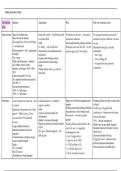
The Liberal Industry Agriculture War Post-war economic crisis
State
Improvements Based in Northern Italy Internal free trade → small farmers able ‘Production at all costs’ → prioritised No. peasant landowners increased →
State invested in industry to remain afloat armaments industries wartime food price inflation = increase
Encouraged use of new technology North: State bought anything industry produced income
→ mechanisation Po Valley → rich, fertile land Produced more than the UK → 20,000 Discontent forced gov’t to make
Most prosperous = silk + engineering Improvements in mechanisation and machine guns and 7,000 artillery concessions:
Example: fertilisation → min. wage
Fiat - motor Irrigation and drainage systems → 8-hr working day
Pirelli and Montecatini - sulphuric protected farms from flooding
acid, rubber, electric cables → recognised factory grievance
South:
Industry - profit grew 10.6% 1896- Produce luxury items, e.g. wine, oil, committees
1913 citrus fruit
Exports increased 4.5%/year
No. industrial workers increased by 2
mil 1901-11
Increased steel production:
1890 = 0.1 mil tonnes
1910 = 0.7 mil tonnes
Drawbacks Lack of natural raw materials → had Landless labourers → instability → Began war with limited equipment and Returning soldiers forcibly occupied land
to import support socialism supplies in South
Industrial development isn’t evenly South: Workers placed under military discipline Giolitti’s gov’t legalised land
Land was of poorer quality b/c Increased hours of the working week confiscation → landowners and tenant
spread → Milan, Genoa, Turin
deforestation Discontent → increased socialist farmers threatened
accounted for 55% industrial
Ridden w/ disease and drought support 1919 - 2 mil ppl unemployed
income Regular occurrences of natural disasters Peasant soldiers promised land at the Middle class savings badly damaged
Large unskilled workforce 1905-8 end of the war → misgranted Booming businesses fell apart - heavily
Industrial machinery had to be Slow gov’t financial support → lost Consequences of war: relied on war
imported
faith in gov’t → Gov’t budget deficit Decreased standard of living
Communications, transport, energy
→ huge rise in nat’l debt Triggered unrest → Biennio Rosso
sources underdeveloped
South: → 15 bil lire debt to Uk Reforms displeased industrialists
27% of wealth Extra tax pressure on middle class
→ 8.5 bil lire debt to US
Paid 32% taxes → Short on natural resources
Abolishment of trade damaged
The Liberal Industry Agriculture War Post-war economic crisis
State
Improvements Based in Northern Italy Internal free trade → small farmers able ‘Production at all costs’ → prioritised No. peasant landowners increased →
State invested in industry to remain afloat armaments industries wartime food price inflation = increase
Encouraged use of new technology North: State bought anything industry produced income
→ mechanisation Po Valley → rich, fertile land Produced more than the UK → 20,000 Discontent forced gov’t to make
Most prosperous = silk + engineering Improvements in mechanisation and machine guns and 7,000 artillery concessions:
Example: fertilisation → min. wage
Fiat - motor Irrigation and drainage systems → 8-hr working day
Pirelli and Montecatini - sulphuric protected farms from flooding
acid, rubber, electric cables → recognised factory grievance
South:
Industry - profit grew 10.6% 1896- Produce luxury items, e.g. wine, oil, committees
1913 citrus fruit
Exports increased 4.5%/year
No. industrial workers increased by 2
mil 1901-11
Increased steel production:
1890 = 0.1 mil tonnes
1910 = 0.7 mil tonnes
Drawbacks Lack of natural raw materials → had Landless labourers → instability → Began war with limited equipment and Returning soldiers forcibly occupied land
to import support socialism supplies in South
Industrial development isn’t evenly South: Workers placed under military discipline Giolitti’s gov’t legalised land
Land was of poorer quality b/c Increased hours of the working week confiscation → landowners and tenant
spread → Milan, Genoa, Turin
deforestation Discontent → increased socialist farmers threatened
accounted for 55% industrial
Ridden w/ disease and drought support 1919 - 2 mil ppl unemployed
income Regular occurrences of natural disasters Peasant soldiers promised land at the Middle class savings badly damaged
Large unskilled workforce 1905-8 end of the war → misgranted Booming businesses fell apart - heavily
Industrial machinery had to be Slow gov’t financial support → lost Consequences of war: relied on war
imported
faith in gov’t → Gov’t budget deficit Decreased standard of living
Communications, transport, energy
→ huge rise in nat’l debt Triggered unrest → Biennio Rosso
sources underdeveloped
South: → 15 bil lire debt to Uk Reforms displeased industrialists
27% of wealth Extra tax pressure on middle class
→ 8.5 bil lire debt to US
Paid 32% taxes → Short on natural resources
Abolishment of trade damaged