tabbs
CNIT 18000
INTRODUCTION TO SYSTEMS DESIGN
FINAL EXAM
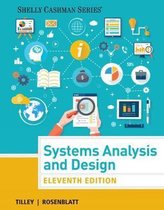
Shelly & Rosenblatt – Systems Analysis & Design – 9th ed.
Chapters 1 – 11, Toolkits B & C
,tabbs
CNIT 18000 – Exam #1
Shelly & Rosenblatt – Systems Analysis & Design – 9th ed.
Chapter 1 – Introduction to Systems Analysis and Design
1. Examples of company-wide applications, called ____, include order processing systems, payroll systems,
and company communications networks.
A. enterprise applications C. operating applications
B. network operating systems (NOS) D. legacy systems
ANS: A PTS: 1 REF: CHAPTER 1 - PG. 8
2. Over 40 years ago, a concept called Moore's Law accurately predicted that computer processing power
would double about every ____.
A. 2 months C. 24 months
B. 12 months D. 48 months
ANS: C PTS: 1 REF: CHAPTER 1 - PG. 8
3. Knowledge management systems are called expert systems because they ____.
A. provide job-related information to users at all levels of a company
B. simulate human reasoning by combining a knowledge base and inference rules that determine
how the knowledge is applied
C. process data generated by day-to-day business operations
D. include e-mail, voice mail, fax, video conferencing, word processing, automated calendars,
database management, spreadsheets, and high-speed Internet access
ANS: B PTS: 1 REF: CHAPTER 1 - PG. 16
4. A ____, or requirements model, describes the information that a system must provide.
A. process model C. business model
B. data model D. network model
ANS: C PTS: 1 REF: CHAPTER 1 - PG. 19
5. A(n) ____ describes the logic that programmers use to write code modules.
A. process model C. business model
B. object model D. network model
ANS: A PTS: 1 REF: CHAPTER 1 - PG. 19
6. ____ methods include the latest trends in software development.
A. Object-oriented analysis C. Structured analysis
B. Agile/Adaptive D. Rapid application development
ANS: B PTS: 1 REF: CHAPTER 1 - PG. 21
7. The ____ method of developing systems produces code that is modular and reusable.
A. object-oriented analysis C. structured analysis
B. adaptive D. rapid application development
ANS: A PTS: 1 REF: CHAPTER 1 - PG. 21
8. Structured analysis is a traditional systems development technique that uses a series of phases, called the
____, to plan, analyze, design, implement, and support an information system.
Page 2
, tabbs
CNIT 18000 – Exam #1
Shelly & Rosenblatt – Systems Analysis & Design – 9th ed.
A. O-O C. MSF
B. SDLC D. RUP
ANS: B PTS: 1 REF: CHAPTER 1 - PG. 22
9. Whereas structured analysis treats processes and data as separate components, ____ combines data and
the processes that act on the data into things called objects.
A. the MSF C. RUP
B. the SDLC D. O-O
ANS: D PTS: 1 REF: CHAPTER 1 - PG. 24
10. Agile methods typically use a(n) ____model, which represents a series of iterations based on user
feedback.
A. gradual C. spiral
B. extreme D. evaluative
ANS: C PTS: 1 REF: CHAPTER 1 - PG. 26
11. When building an information system, all of the following basic guidelines should be considered
EXCEPT ____.
A. stick to an overall development plan
B. identify major milestones for project review and assessment
C. provide accurate and reliable cost and benefit information
D. ensure that users are not involved in the development process
ANS: D PTS: 1 REF: CHAPTER 1 - PG. 27
12. A systems analyst needs ____.
A. solid technical knowledge and good analytical ability
B. strong oral and written communication skills
C. an understanding of business operations and processes
D. all of the above
ANS: D PTS: 1 REF: CHAPTER 1 - PG. 30
Chapter 2 – Analyzing the Business Case
13. Systems development typically starts with a ____.
A. feasibility study, followed by a systems request, which includes a preliminary investigation
B. systems request, followed by a preliminary investigation, which includes a feasibility study
C. preliminary investigation, followed by a feasibility study, which includes a systems request
D. feasibility study, followed by a preliminary investigation, which includes a systems request
ANS: B PTS: 1 REF: CHAPTER 2 - PG. 52
14. ____ planning is the process of identifying long-term organizational goals, strategies, and resources.
A. Opportunity C. Strategic
B. Preliminary D. Vertical
ANS: C PTS: 1 REF: CHAPTER 2 - PG. 54
Page 3
CNIT 18000
INTRODUCTION TO SYSTEMS DESIGN
FINAL EXAM
Shelly & Rosenblatt – Systems Analysis & Design – 9th ed.
Chapters 1 – 11, Toolkits B & C
,tabbs
CNIT 18000 – Exam #1
Shelly & Rosenblatt – Systems Analysis & Design – 9th ed.
Chapter 1 – Introduction to Systems Analysis and Design
1. Examples of company-wide applications, called ____, include order processing systems, payroll systems,
and company communications networks.
A. enterprise applications C. operating applications
B. network operating systems (NOS) D. legacy systems
ANS: A PTS: 1 REF: CHAPTER 1 - PG. 8
2. Over 40 years ago, a concept called Moore's Law accurately predicted that computer processing power
would double about every ____.
A. 2 months C. 24 months
B. 12 months D. 48 months
ANS: C PTS: 1 REF: CHAPTER 1 - PG. 8
3. Knowledge management systems are called expert systems because they ____.
A. provide job-related information to users at all levels of a company
B. simulate human reasoning by combining a knowledge base and inference rules that determine
how the knowledge is applied
C. process data generated by day-to-day business operations
D. include e-mail, voice mail, fax, video conferencing, word processing, automated calendars,
database management, spreadsheets, and high-speed Internet access
ANS: B PTS: 1 REF: CHAPTER 1 - PG. 16
4. A ____, or requirements model, describes the information that a system must provide.
A. process model C. business model
B. data model D. network model
ANS: C PTS: 1 REF: CHAPTER 1 - PG. 19
5. A(n) ____ describes the logic that programmers use to write code modules.
A. process model C. business model
B. object model D. network model
ANS: A PTS: 1 REF: CHAPTER 1 - PG. 19
6. ____ methods include the latest trends in software development.
A. Object-oriented analysis C. Structured analysis
B. Agile/Adaptive D. Rapid application development
ANS: B PTS: 1 REF: CHAPTER 1 - PG. 21
7. The ____ method of developing systems produces code that is modular and reusable.
A. object-oriented analysis C. structured analysis
B. adaptive D. rapid application development
ANS: A PTS: 1 REF: CHAPTER 1 - PG. 21
8. Structured analysis is a traditional systems development technique that uses a series of phases, called the
____, to plan, analyze, design, implement, and support an information system.
Page 2
, tabbs
CNIT 18000 – Exam #1
Shelly & Rosenblatt – Systems Analysis & Design – 9th ed.
A. O-O C. MSF
B. SDLC D. RUP
ANS: B PTS: 1 REF: CHAPTER 1 - PG. 22
9. Whereas structured analysis treats processes and data as separate components, ____ combines data and
the processes that act on the data into things called objects.
A. the MSF C. RUP
B. the SDLC D. O-O
ANS: D PTS: 1 REF: CHAPTER 1 - PG. 24
10. Agile methods typically use a(n) ____model, which represents a series of iterations based on user
feedback.
A. gradual C. spiral
B. extreme D. evaluative
ANS: C PTS: 1 REF: CHAPTER 1 - PG. 26
11. When building an information system, all of the following basic guidelines should be considered
EXCEPT ____.
A. stick to an overall development plan
B. identify major milestones for project review and assessment
C. provide accurate and reliable cost and benefit information
D. ensure that users are not involved in the development process
ANS: D PTS: 1 REF: CHAPTER 1 - PG. 27
12. A systems analyst needs ____.
A. solid technical knowledge and good analytical ability
B. strong oral and written communication skills
C. an understanding of business operations and processes
D. all of the above
ANS: D PTS: 1 REF: CHAPTER 1 - PG. 30
Chapter 2 – Analyzing the Business Case
13. Systems development typically starts with a ____.
A. feasibility study, followed by a systems request, which includes a preliminary investigation
B. systems request, followed by a preliminary investigation, which includes a feasibility study
C. preliminary investigation, followed by a feasibility study, which includes a systems request
D. feasibility study, followed by a preliminary investigation, which includes a systems request
ANS: B PTS: 1 REF: CHAPTER 2 - PG. 52
14. ____ planning is the process of identifying long-term organizational goals, strategies, and resources.
A. Opportunity C. Strategic
B. Preliminary D. Vertical
ANS: C PTS: 1 REF: CHAPTER 2 - PG. 54
Page 3