Test Bank Pathophysiology 7th Edition Banasik
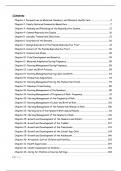
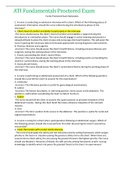
Test Bank Pathophysiology 7th Edition BanasikContents Chapter 01: Introduction to Pathophysiology ................................................................................................................ 2 Chapter 02: Homeostasis, Allostasis, and Adaptive Responses to Stressors ........................................................ 6 Chapter 03: Cell Structure and Function ........................................................................................................................ 9 Chapter 04: Cell Injury, Aging, and Death ................................................................................................................... 14 Chapter 05: Genome Structure, Regulation, and Tissue Differentiation ............................................................. 18 Chapter 06: Genetic and Developmental Disorders ................................................................................................... 21 Chapter 07: Neoplasia ....................................................................................................................................................... 25 Chapter 08: Infectious Processes.................................................................................................................................. 30 Chapter 09: Inflammation and Immunity ..................................................................................................................... 33 Chapter 10: Alterations in Immune Function ............................................................................................................... 37 Chapter 11: Malignant Disorders of White Blood Cells ............................................................................................. 43 Chapter 12: HIV Disease and AIDS .............................................................................................................................. 49 Chapter 13: Alterations in Oxygen Transport ............................................................................................................. 55 Chapter 14: Alterations in Hemostasis and Blood Coagulation ................................................................................ 63 Chapter 15: Alterations in Blood Flow ........................................................................................................................... 69 Chapter 16: Alterations in Blood Pressure ................................................................................................................... 76 Chapter 17: Cardiac Function .......................................................................................................................................... 82 Chapter 18: Alterations in Cardiac Function ................................................................................................................ 89 Chapter 19: Heart Failure and Dysrhythmias: Common Sequelae of Cardiac Diseases ...................................... 95 Chapter 20: Shock ........................................................................................................................................................... 104 Chapter 21: Respiratory Function and Alterations in Gas Exchange ................................................................... 112 Chapter 22: Obstructive Pulmonary Disorders ......................................................................................................... 117 Chapter 23: Restrictive Pulmonary Disorders ........................................................................................................... 126 Chapter 24: Fluid and Electrolyte Homeostasis and Imbalances ......................................................................... 138 Chapter 25: Acid–Base Homeostasis and Imbalances ............................................................................................. 154 Chapter 26: Renal Function ............................................................................................................................................ 164 Chapter 27: Intrarenal Disorders ................................................................................................................................ 171 Chapter 28: Acute Kidney Injury and Chronic Kidney Disease ............................................................................. 185 Chapter 29: Disorders of the Lower Urinary Tract ................................................................................................ 200 Chapter 30: Male Genital and Reproductive Function ............................................................................................. 211 Chapter 31: Alterations in Male Genital and Reproductive Function ................................................................... 216 Chapter 32: Female Genital and Reproductive Function.......................................................................................... 221 Chapter 33: Alterations in Female Genital and Reproductive Function ............................................................. 227 Chapter 34: Sexually Transmitted Infections ......................................................................................................... 236 Chapter 35: Gastrointestinal Function ........................................................................................................................ 241 1 | P a g eChapter 36: Gastrointestinal Disorders .................................................................................................................... 250 Chapter 37: Alterations in Function of the Gallbladder and Exocrine Pancreas ............................................... 261 Chapter 38: Liver Diseases ........................................................................................................................................... 269 Chapter 39: Endocrine Physiology and Mechanisms of Hypothalamic-Pituitary Regulation .......................... 277 Chapter 40: Disorders of Endocrine Function ......................................................................................................... 287 Chapter 41: Diabetes Mellitus ...................................................................................................................................... 298 Chapter 42: Alterations in Metabolism and Nutrition ........................................................................................... 306 Chapter 43: Structure and Function of the Nervous System ............................................................................... 313 Chapter 44: Acute Disorders of Brain Function ...................................................................................................... 325 Chapter 45: Chronic Disorders of Neurologic Function ......................................................................................... 337 Chapter 46: Alterations in Special Sensory Function ............................................................................................ 347 Chapter 47: Pain .............................................................................................................................................................. 353 Chapter 48: Neurobiology of Psychotic Illnesses ................................................................................................... 359 Chapter 49: Neurobiology of Nonpsychotic Illnesses ............................................................................................ 369 Chapter 50: Structure and Function of the Musculoskeletal System ................................................................ 377 Chapter 51: Alterations in Musculoskeletal Function: Trauma, Infection, and Disease ................................. 384 Chapter 52: Alterations in Musculoskeletal Function: Rheumatic Disorders .................................................... 393 Chapter 53: Alterations in the Integumentary System ........................................................................................ 399 Chapter 54: Burn Injuries ............................................................................................................................................. 405 Chapter 01: Introduction to Pathophysiology MULTIPLE CHOICE 1. C.Q. was recently exposed to group A hemolytic Streptococcus and subsequently developed a pharyngeal infection. His clinic examination reveals an oral temperature of 102.3°F, skin rash, dysphagia, and reddened throat mucosa with multiple pustules. He complains of sore throat, malaise, and joint stiffness. A throat culture is positive for Streptococcus, and antibiotics have been prescribed. The etiology of C.Q.’s disease is a. a sore throat. b. streptococcal infection. c. genetic susceptibility. d. pharyngitis. ANS: B Etiology refers to the proposed cause or causes of a particular disease process. A sore throat is the manifestation of the disease process. Genetic susceptibility refers to inherited tendency to develop a disease. Pharyngitis refers to inflammation of the throat and is also a clinical manifestation of the disease process. 2. A 17-year-old college-bound student receives a vaccine against an organism that causes meningitis. This is an example of 2 | P a g ea. primary prevention. b. secondary prevention. c. tertiary prevention. d. disease treatment. ANS: A Primary prevention is prevention of disease by altering susceptibility or reducing exposure for susceptible individuals, in this case by providing vaccination. Secondary prevention is the early detection, screening, and management of the disease. Tertiary prevention includes rehabilitative and supportive care and attempts to alleviate disability and restore effective functioning. Disease treatment involves management of the disease once it has developed. 3. An obese but otherwise healthy teen is given a prescription for a low-calorie diet and exercise program. This is an example of a. primary prevention. b. secondary prevention. c. tertiary prevention. d. disease treatment. ANS: B Secondary prevention is the early detection, screening, and management of the disease such as prescribing diet and exercise for an individual who has already developed obesity. Primary prevention is prevention of disease by altering susceptibility or reducing exposure for susceptible individuals. Tertiary prevention includes rehabilitative and supportive care and attempts to alleviate disability and restore effective functioning. Disease treatment involves management of the disease once it has developed. 4. A patient with high blood pressure who is otherwise healthy is counseled to restrict sodium intake. This is an example of a. primary prevention. b. secondary prevention. c. tertiary prevention. d. disease treatment. ANS: B Secondary prevention is the early detection, screening, and management of the disease, such as by prescribing sodium restriction for high blood pressure. Primary prevention is prevention of disease by altering susceptibility or reducing exposure for susceptible individuals. Tertiary prevention includes rehabilitative and supportive care and attempts to alleviate disability and restore effective functioning. Disease treatment involves management of the disease once it has developed. 5. After suffering a heart attack, a middle-aged man is counseled to take a cholesterol- lowering medication. This is an example of a. primary prevention. b. secondary prevention. c. tertiary prevention. d. disease treatment. ANS: C Tertiary prevention includes rehabilitative and supportive care and attempts to 3 | P a g ealleviate disability and restore effective functioning such as prescribing a cholesterol-lowering medication following a heart attack. Primary prevention is prevention of disease by altering susceptibility or reducing exposure for susceptible individuals. Secondary prevention is the early detection, screening, and management of the disease. Disease treatment involves management of the disease once it has developed. 6. A patient has been exposed to meningococcal meningitis, but is not yet demonstrating signs of this disease. This stage of illness is called the stage. a. prodromal b. latent c. sequela d. convalescence ANS: B Incubation refers to the interval between exposure of a tissue to an injurious agent and the first appearance of signs and symptoms. In infectious diseases, this period is often called the incubation (latent) period. Prodromal refers to the appearance of the first signs and symptoms indicating the onset of a disease. These are often nonspecific, such as headache, malaise, anorexia, and nausea, which are associated with a number of different diseases. Sequela refers to subsequent pathologic condition resulting from a disease. Convalescence is the stage of recovery after a disease, injury, or surgical operation. 7. A disease that is native to a particular region is called a. epidemic. b. endemic. c. pandemic. d. ethnographic. ANS: B A disease that is native to a particular region is called endemic. An epidemic is a disease that spreads to many individuals at the same time. Pandemics are epidemics that affect large geographic regions, perhaps spreading worldwide. Ethnographic does not describe a disease distribution pattern. 8. In general, with aging, organ size and function a. increase. b. decrease. c. remain the same. d. are unknown. ANS: B In general, with aging, organ size and function decrease. 9. The stage during which the patient functions normally, although the disease processes are well established, is referred to as a. latent. b. subclinical. c. prodromal. d. convalescence. 4 | P a g eANS: B The stage during which the patient functions normally, although the disease processes are well established, is called the subclinical stage. The interval between exposure of a tissue to an injurious agent and the first appearance of signs and symptoms may be called a latent period or, in the case of infectious diseases, an incubation period. The prodromal period, or prodrome, refers to the appearance of the first signs and symptoms indicating the onset of a disease. Convalescence is the stage of recovery after a disease, injury, or surgical operation. MULTIPLE RESPONSE 1. Your patient’s red blood cell count is slightly elevated today. This might be explained by (Select all that apply.) a. gender difference. b. situational factors. c. normal variation. d. cultural variation. e. illness. ANS: A, B, C, E Gender, situations (e.g., altitude), normal variations, and illness may all determine red blood cell count. Culture affects how manifestations are perceived (normal versus abnormal). 2. Socioeconomic factors influence disease development because of (Select all that apply.) a. genetics. b. environmental toxins. c. overcrowding. d. nutrition. e. hygiene. ANS: B, C, D, E Socioeconomic factors influence disease development via exposure to environmental toxins (occupational) and overcrowding, nutrition (over- or undernutrition), and hygiene (e.g., in developing countries). Genetics is not influenced by socioeconomic factors. 3. When determining additional data to gather before making a diagnosis, what factors need to be considered? (Select all that apply.) a. Reliability b. Expense c. Validity d. Generalizability e. Repetition ANS: A, C Two considerations one must use when choosing additional data to gather include the reliability and validity of the tests being weighed. Reliability, or precision, is the ability of a test to give the same result in repeated measurements. Validity, or accuracy, is the degree to which a measurement reflects the true value of the object it is intended to measure. Expense, generalizability, and repetition are not characteristics that are typically considered. 5 | P a g e4. Which of the following statements are accurate when considering diagnostic testing for an individual with a possible medical condition? (Select all that apply.) a. The more often a patient has a test, the more accurate the average result is. b. Sensitivity is the chance the test will be positive if the hypothesized disease is present. c. Testing is generally not accurate during the prodromal stage to make a diagnosis. d. Specificity shows that a test will be negative if the person does not have the disease. e. Reliability demonstrates a test is accurate under a number of different conditions. ANS: B, D Sensitivity is the probability that the test will be positive when applied to a person with the condition. Specificity is the probability that a test will be negative when applied to a person who does not have a given condition. Test results are usually not aggregated and averaged. A disease process is well established during the prodromal phase of illness, so some diagnostic testing would indicate its presence. Reliability, or precision, is the ability of a test to give the same result in repeated measurements. Chapter 02: Homeostasis, Allostasis, and Adaptive Responses to Stressors MULTIPLE CHOICE 1. Indicators that an individual is experiencing high stress include all the following except a. tachycardia. b. diaphoresis. c. increased peripheral resistance. d. pupil constriction. ANS: D Pupils dilate during stress from the effects of catecholamines. Tachycardia, diaphoresis, and increased peripheral resistance are indicators of stress and also occur because of catecholamine release. 2. Which is not normally secreted in response to stress? a. Norepinephrine b. Cortisol c. Epinephrine d. Insulin ANS: D Insulin secretion is impaired during stress to promote energy from increased blood glucose. Norepinephrine is secreted during stress as a mediator of stress and adaptation. Cortisol is secreted during stress as a mediator of stress and adaptation and stimulates gluconeogenesis in the liver to supply the body with glucose. Epinephrine is secreted during stress as a mediator of stress and adaptation and increases glycogenolysis and the release of glucose from the liver. 3. Selye’s three phases of the stress response include all the following except a. allostasis. b. resistance. c. alarm. 6 | P a g ed. exhaustion. ANS: A Allostasis is defined as the ability to successfully adapt to challenges. Allostasis may/may not occur in response to stress. Alarm, resistance (or adaptation), and exhaustion are the three phases of the stress response as described by Selye in the general adaptation syndrome. 4. Many of the responses to stress are attributed to activation of the sympathetic nervous system and are mediated by a. norepinephrine. b. cortisol. c. glucagon. d. ACTH. ANS: A Norepinephrine is secreted in response to activation of the sympathetic nervous system during stress by the adrenal medulla. Cortisol is secreted by the adrenal cortex. Glucagon is secreted by the pancreas. ACTH is secreted by the pituitary gland. 5. The effects of excessive cortisol production include a. immune suppression. b. hypoglycemia. c. anorexia. d. inflammatory reactions. ANS: A Cortisol suppresses immune function and inflammation and stimulates appetite. Cortisol leads to hyperglycemia by stimulating gluconeogenesis in the liver. Cortisol also leads to increased appetite and food-seeking behaviors and plays a significant role in inflammatory reactions. 6. All the following stress-induced hormones increase blood glucose except a. aldosterone. b. cortisol. c. norepinephrine. d. epinephrine. ANS: A Aldosterone results in water and sodium retention and potassium loss in the urine. It does not affect blood glucose. Cortisol is a glucocorticoid secreted by the adrenal cortex. Cortisol stimulates gluconeogenesis in the liver, thus increasing blood glucose. Norepinephrine inhibits insulin secretion, thus increasing blood sugar. Epinephrine increases glucose release from the liver and inhibits insulin secretion, thus increasing blood glucose. 7. Allostasis is best defined as a. a steady state. b. a state of equilibrium, of balance within the organism. c. the process by which the body heals following disease. d. the overall process of adaptive change necessary to maintain survival and well-being. 7 | P a g eANS: D Allostasis refers to the overall process of adaptive change necessary to maintain survival and well-being. 8. The primary adaptive purpose of the substances produced in the alarm stage is a. energy and repair. b. invoke resting state. c. produce exhaustion. d. set a new baseline steady-state. ANS: A These resources are used for energy and as building blocks, especially the amino acids, for the later growth and repair of the organism. The substances do not produce a resting state. The substances can produce exhaustion if they continue, but that is not their adaptive purpose. Although a new baseline steady state may result from the stress response that is not the adaptive purpose of the substances produced during the alarm stage. 9. Persistence of the alarm stage will ultimately result in a. stress reduction. b. permanent damage and death. c. movement into the resistance stage. d. exhaustion of the sympathetic nervous system. ANS: B If the alarm stage were to persist, the body would soon suffer undue wear and tear and become subject to permanent damage and even death. Actions taken by the individual during the resistance stage lead to stress reduction. The resistance stage may or may not occur following the alarm stage, based on resource availability. The sympathetic nervous system will continue to function, resulting in continued release of stress hormones. 10. The effect of stress on the immune system a. is unknown. b. has been demonstrated to be nonexistent in studies. c. most often involves enhancement of the immune system. d. may involve enhancement or impairment the immune system. ANS: D Many studies demonstrate that long-term stress impairs the immune system, but many researchers identify that short-term stress may enhance the immune system. MULTIPLE RESPONSE 1. Aldosterone may increase during stress, leading to (Select all that apply.) a. decreased urinary output. b. increased blood potassium. c. increased sodium retention. d. increased blood volume. e. decreased blood pressure. 8 | P a g eANS: A, C, D Aldosterone increases water and sodium reabsorption and potassium excretion by the renal distal tubules and collecting ducts, thus leading to decreased urinary output, sodium retention in the body, and increased extracellular fluid volume. Because it leads to potassium excretion, aldosterone leads to decreased blood potassium. 2. Chronic activation of stress hormones can lead to (Select all that apply.) a. cardiovascular disease. b. depression. c. impaired cognitive function. d. autoimmune disease. e. overactive immune function. ANS: A, B, C, D Excessive cortisol levels promote hypertension, atherosclerosis, and the development of cardiovascular disease. Chronic overactive stress hormones may result in atrophy and death of brain cells. Elevated levels of stress hormones are found in individuals with depressive disorders. Chronic stress leads to immune function impairment, rather than overactive immune function, and has been implicated in autoimmune disorders. 3. Events which occur during the alarm stage of the stress response include secretion of (Select all that apply.) a. catecholamines. b. ACTH. c. glucocorticoids. d. immune cytokines. e. TSH. ANS: A, B, C, D During the alarm stage, catecholamines (epinephrine, norepinephrine), ACTH, glucocorticoids, and immune cytokines are secreted. TSH is not secreted during the stress response. Chapter 03: Cell Structure and Function MULTIPLE CHOICE 1. Glycolysis is the metabolic process of breaking down a glucose molecule to form a. CO2 and H2O. b. 2 ATP and 2 pyruvate. c. 30 ATP. d. oxygen. ANS: B Glycolysis produces a net gain of two ATP molecules and breaks down glucose modules to produce two pyruvate molecules. Oxidative phosphorylation produces CO2 and H2O. Oxidative phosphorylation produces 30 ATP molecules. Oxygen is not produced by glycolysis, but it is necessary for oxidative phosphorylation. 2. The benefit of glycolysis is that this second stage of catabolism supplies a. ATP to meet energy needs of the body. b. pyruvate to the citric acid cycle. c. energy for oxidative phosphorylation. 9 | P a g ed. lactate during anaerobic conditions. ANS: B The benefit of glycolysis is to supply pyruvate to the citric acid cycle of cellular metabolism, which then produces much ATP. Glycolysis only produces two ATP modules, which is insufficient for energy needs. Glycolysis does not supply energy for oxidative phosphorylation. Lactate produced during prolonged anaerobic conditions builds up and can lead to lactic acidosis, which is an undesirable outcome. 3. Repolarization of a neuron after a depolarizing action potential is because of a. activation of the Na+-K+ pump. b. influx of calcium. c. efflux of potassium. d. influx of sodium. ANS: C Repolarization is because of efflux of potassium from the cell. The Na+-K+ pump maintains cellular volume via osmotic pressure and helps to maintain resting membrane potential. Calcium influx prolongs the action potential. Influx of sodium initiates depolarization. 4. Excitable cells are able to conduct action potentials because they have a. receptors for neurotransmitters. b. tight junctions. c. ligand-gated channels. d. voltage-gated channels. ANS: D Voltage-gated channels respond to changes in membrane potential and are responsible for conducting action potentials. Receptors for neurotransmitters allow neurotransmitters to bind to the cell membrane but are not directly responsible for action potentials in excitable cells. Tight junctions are intercellular connections that help segregate proteins on the cell membrane and are not involved in conducting action potentials. Ligand-gated channels respond to binding of a signaling molecule such as a neurotransmitter, but are not directly responsible for action potentials in excitable cells. 5. The resting membrane potential in nerve and skeletal muscle is determined primarily by a. extracellular sodium ion concentration. b. the ratio of intracellular to extracellular potassium ions. c. activation of voltage-gated sodium channels. d. activity of energy-dependent membrane pumps. ANS: B The major determinant of the resting membrane potential is the difference in potassium ion concentration across the membrane. Extracellular sodium helps maintain cell volume and resting membrane potential, but it is not the primary determinant. Activation of voltage-gated sodium channels helps initiate an action potential. Channels are not linked to an energy source; ions flow passively across the cell membrane. 6. An increase in extracellular potassium ion from 4.0 to 6.0 mEq/L would a. hyperpolarize the resting membrane potential. 10 | P a g eb. make it more difficult to reach threshold and produce an action potential. c. hypopolarize the resting membrane potential. d. alter the threshold potential. ANS: C An increase in extracellular potassium hypopolarizes the cell (makes it less negative) because more K+ ions stay inside the cell owing to the reduced concentration gradient. Hyperpolarization of the resting membrane potential (makes it more negative) is caused by a decrease in extracellular potassium. Hyperpolarization resulting from a decrease in extracellular potassium makes it more difficult to reach threshold and produce an action potential. The threshold for action potential does not change with a change in extracellular potassium. 7. GTP-binding proteins (G-proteins) function to a. activate receptors on the extracellular surface. b. degrade second-messenger molecules. c. activate intracellular enzyme systems. d. synthesize ATP. ANS: C G-proteins activate specific target enzymes within the cell and these enzymes then produce second-messenger molecules that trigger specific intracellular function. Membrane-bound G-protein channels are a component of the cell membrane; they do not activate other receptors on the extracellular surface. G-proteins do not degrade second messengers, but instead produce these. G-proteins do not synthesize ATP. 8. Phospholipids spontaneously form lipid bilayers because they are a. polar. b. charged. c. insoluble. d. amphipathic. ANS: D Phospholipids have a hydrophilic (water-loving) polar end and a hydrophobic (water- fearing) polar end. This amphipathic nature causes the lipids to form bilayers. It is the water-loving and water-fearing nature of the end rather than simply being polar, charged, or insoluble that forms the bilayers. 9. Cell-to-cell communication through secretion of chemical signals into the bloodstream to target cells throughout the body is called signaling. a. synaptic b. paracrine c. endocrine d. autocrine ANS: C Endocrine signaling is accomplished by specialized endocrine cells that secrete hormones that travel via the bloodstream to target cells throughout the body. Synaptic signaling occurs at specialized junctions between the nerve cell and its target cell; the neuron secretes a chemical neurotransmitter into a small space between the nerve and target cell. In paracrine signaling, chemicals are secreted into a localized area, and only 11 | P a g ethose cells in the immediate area are affected. Autocrine signaling occurs when cells respond to signaling molecules that they secrete and provides feedback to that cell rather than other cells. 10. Ribosomes are very important organelles within the cell that have the function of a. detoxifying substances. b. synthesizing proteins. c. converting energy to forms that can be used. d. coding for protein synthesis. ANS: B Ribosome’s primary function is the synthesis of proteins. Lysosomes and peroxisomes detoxify substances. Mitochondria convert energy to forms that can be used to drive cell reactions. The nucleus contains genomic DNA that codes for protein synthesis. 11. The cardiac drug digitalis enhances myocardial contraction because it a. increases intracellular calcium level in cardiac cells. b. inhibits sodium from entering cardiac cells. c. enhances the sodium–potassium pump. d. increases the sodium gradient across the cell membrane. ANS: A Digitalis inhibits the sodium–potassium pump and allows the accumulation of intracellular sodium, decreasing the sodium gradient across the cell membrane. This leads to less efficient calcium removal by the sodium-dependent calcium pump. Increased calcium inside the cardiac cell leads to more forceful cardiac muscle contraction to treat congestive heart failure caused by cardiac muscle weakness. 12. The organelle that contains enzymes necessary for oxidative phosphorylation to produce ATP is the a. mitochondria. b. ribosome. c. lysosome. d. nucleus. ANS: A The inner membrane of the mitochondria contains many enzymes that promote oxidative phosphorylation which produces ATP. Ribosomes synthesize proteins. Lysosomes and peroxisomes detoxify substances. The nucleus contains genomic DNA that codes for protein synthesis. 13. Ion channels open and close in response to all the following except a. mechanical pressure. b. ligand binding. c. voltage changes. d. temperature changes. ANS: D No temperature change channels are present on the cell membrane. Mechanically gated channels respond to mechanical deformation. Ligand-gated channels respond to the binding of a signaling molecule (neurotransmitter or hormone). Voltage-gated channels respond to a change in membrane potential. 12 | P a g e14. Gap junctions are connecting channels that allow passage of small molecules from one cell to the next and are especially important for a. distance signaling. b. tissues requiring synchronized function. c. communication within a cell. d. passage of large molecules. ANS: B Gap junctions are especially important in tissues in which synchronized functions are required such as in cardiac muscle contraction. Gap junctions are channels between adjacent cells, not distant cells. Gap junctions function to promote communication not within a cell, but between adjacent cells. Gap junctions allow passage of small molecules, but not large molecules. MULTIPLE RESPONSE 1. Which of the statements regarding cellular growth and proliferation are true? (Select all that apply.) a. Dormant cells can remain in the G2 phase indefinitely. b. Duplication of DNA occurs in the S phase. c. There are six stages of the M phase. d. Proliferation of cells is partly dependent on available space. e. Mitosis involves significant chromosomal rearrangement. ANS: B, C, D Duplication of DNA occurs in the S phase. The M phase consists of 6 stages. Two strategies of cell cycle control occur, one of which includes cell response to spatial signals from the extracellular matrix and neighboring cells that indicate how much room is available. Dormant cells can remain in the G1 phase indefinitely. Significant chromosomal rearrangement occurs is meiosis. 2. Which of the following correctly match intracellular organelles to their functions? (Select all that apply.) a. Cytoskeleton: Provides a rigid boundary against cellular invasion. b. Nucleus: Holds the cell’s genetic material and directs cell activity. c. Golgi apparatus: Arranges the lipid bilayer according to polarity. d. Lysosomes: Digests organic waste materials. e. Mitochondria: Produce cellular energy in the form of ATP. ANS: B, D, E The cell’s nucleus holds the cell’s genetic material and directs daily cellular activity. Lysosomes, along with peroxisomes, perform the task of intracellular digestion of organic waste. Mitochondria produce cellular energy in the form of ATP. The cytoskeleton organizes the intracellular compartment. The Golgi apparatus produces, packages, and transports proteins and lipids to the plasma membrane and lysosomes. 3. Which of the following are correct regarding membrane transport of macromolecules? (Select all that apply.) a. Endocytosis refers to the cellular ingestion of extracellular molecules. b. Pinocytosis is the ingestion of large particles such as microorganisms. 13 | P a g ec. Clatharin-mediated endocytosis starts with a pit formation in the plasma membranes. d. Exocytosis involves packaging substances and secreting them. e. Transporter proteins are an important component of macromolecule transport. ANS: A, C, D Endocytosis refers to cellular ingestion of extracellular molecules. Clatharin-mediated endocytosis begins at the cell surface by the formation of an indentation, or pit, in the plasma membrane. Exocytosis is the reverse of endocytosis and occurs when substances that are secreted from the cell are packaged in membrane-bound vesicles and travel to the inner surface of the plasma membrane. Pinocytosis is the method of ingesting fluids and small particles. Transporter proteins are used to transport small water- soluble molecules. Chapter 04: Cell Injury, Aging, and Death MULTIPLE CHOICE 1. An increase in organ size and function caused by increased workload is termed a. atrophy. b. hypertrophy. c. metaplasia. d. inflammation. ANS: B Increased function of an organ such as the heart or skeletal muscle results in organ hypertrophy because of cellular enlargement. Atrophy refers to reduction in size of an organ because of cellular shrinkage. Metaplasia refers to replacement of one differentiated cell type with another. Inflammation results from immune response rather than workload. 2. Apoptosis is a process that results in cellular a. atrophy. b. death. c. proliferation. d. mutation. ANS: B Apoptosis results in death of a cell when it is no longer needed. Atrophy refers to reduction in size of an organ because of cellular shrinkage. Proliferation refers to growth of new cells. Mutation refers to alteration in the genetic structure of cellular DNA. 3. All these cellular responses are potentially reversible except a. necrosis. b. metaplasia. c. atrophy. d. hyperplasia. ANS: A Necrosis refers to death of cells/tissue and is not reversible. Metaplasia refers to the replacement of one differentiated cell type with another from persistent injury and is reversible when the injury stops. Atrophy occurs because of lack of use of an 14 | P a g eorgan and is reversible. Hyperplasia is an increase in the number of cells from increased physiologic demands or hormonal stimulation and is reversible. 4. Necrotic death of brain tissue usually produces a. coagulative b. caseous c. liquefactive d. fat ANS: C Liquefactive necrosis is produced when brain tissue dies, as it is rich in enzymes and has little connective tissue. Coagulative necrosis occurs from ischemic injury in any tissue. Caseous necrosis occurs in lung tissue damaged by tuberculosis. Fat necrosis occurs in adipose (fat) tissue. 5. The cellular response indicative of injury because of faulty metabolism is a. hydropic swelling. b. lactate production. c. metaplasia. d. intracellular accumulations. ANS: D Intracellular accumulations result from faulty metabolism of lipids, carbohydrates, glycogen, and proteins. Hydropic swelling results from malfunction of the sodium- potassium pump. Lactate production results from anaerobic glycolytic pathway. Metaplasia occurs from persistent cell injury. 6. Metaplasia is a. the replacement of one differentiated cell type with another. b. the transformation of a cell type to malignancy. c. an irreversible cellular adaptation. d. the disorganization of cells into various sizes, shapes, and arrangements. ANS: A Metaplasia is the replacement of one differentiated cell type with another secondary to persistent damage. Dysplasia transforms cells to preneoplastic lesions, which may become malignant. Metaplasia is reversible when the damage is stopped. Disorganization of cells into various sizes, shapes, and arrangements occurs in dysplasia. 7. The cellular change that is considered preneoplastic is a. anaplasia. b. dysplasia. c. metaplasia. d. hyperplasia. ANS: B Dysplastic cells have the potential to become cancerous and are therefore referred to as preneoplastic. Anaplasia, metaplasia, and hyperplasia are not considered preneoplastic. 8. Somatic death refers to death 15 | P a g e necrosis.a. of a body organ. b. of the entire organism. c. of nerve cells. d. secondary to brain damage. ANS: B Somatic death refers to death of an entire organism. Somatic death is not simply death of one body organ. Somatic death involves death of all cells in the body. Brain death refers to death of the brain only, but organ systems can remain living with mechanical assistance. 9. Coagulative necrosis is caused by a. dissolving of dead cells and cyst formation. b. trauma or pancreatitis. c. lung tissue damage. d. interrupted blood supply. ANS: D Coagulative necrosis results from interrupted blood supply leading to ischemic cell injury. Liquefactive necrosis results from dissolving of dead cells and cyst formation. Fat necrosis is caused by trauma or pancreatitis. Caseous necrosis is caused by lung tissue damage such as that caused by tuberculosis. 10. Reperfusion injury to cells a. results in very little cellular damage. b. results from calcium deficiency in cells. c. occurs following nutritional injury. d. involves formation of free radicals. ANS: D Free radicals are formed when high-energy electrons partially reduce oxygen in reperfusion injury. Reperfusion injury usually causes more cell damage than the original hypoxia. It results from calcium overload in the cells. Reperfusion injury results from hypoxic injury, rather than from nutritional injury. 11. Extreme cold injures cells by all the following except a. ischemic injury from vasoconstriction. b. peripheral nerve damage from rebound vasodilation. c. decreased blood viscosity. d. crystallization of cellular components. ANS: C Hypothermia causes increased blood viscosity, which can result in ischemic injury. Initial vasoconstriction causes ischemic injury. Rebound vasodilation leads to intense swelling which damages peripheral nerves. Crystallization of cellular components leads to rupture of these components. 12. The cellular component that is most susceptible to radiation injury is the a. membrane. b. DNA. c. RNA. d. ribosomes. 16 | P a g eANS: B Cellular DNA is particularly susceptible to damage from radiation via breakage of the bonds holding the linear DNA together. Cell membranes, RNA, and ribosomes are not the most susceptible to radiation injury. 13. The primary effect of aging on all body systems is a. decreased functional reserve. b. diseased function. c. programmed senescence. d. senility. ANS: A All body systems show age-related changes that can be generally described as a decrease in functional reserve; aging leads to inability to adapt to (internal and external) environmental changes. Not all effects of aging are considered disease; some are considered a normal part of aging. Programmed senescence is currently only a theory of aging that states cells have a preprogrammed number of cell divisions before they will die. Senility is an outdated term used to describe the cognitive changes associated with dementia; dementia is a disease and is not a normal part of aging. 14. Carbon monoxide injures cells by a. destruction of cellular membranes. b. reducing oxygen level on hemoglobin. c. promotion of free radicals. d. crystallization
Escuela, estudio y materia
- Institución
- Chamberlian School Of Nursing
- Grado
- Desconocido
Información del documento
- Subido en
- 2 de diciembre de 2023
- Número de páginas
- 409
- Escrito en
- 2023/2024
- Tipo
- Examen
- Contiene
- Desconocido
Temas
-
test bank pathophysiology 7th edition banasik