MEIOSIS
List of Definitions
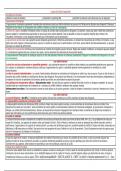
Chromosome- linear collection of genes where the DNA is wound over proteins
called histones and coiled over and over again
Genes- short section of DNA with nucleotides in a particular order that codes for
a particular protein or characteristic
Homologous Pair of Chromosomes-chromosomes that are identical in shape,
size, order of genes and position of the centromere
Alleles- alternative form of a gene that codes for the same characteristic
Karyotype- full diploid set of an organism’s chromosomes arranged in
homologous pairs -> 22 autosomal pairs
1 gonosomal pairs
Ploidy- Number of single sets of chromosomes in a biological cell
Haploid- One or a single set of chromosomes as in a gamete (half as many as in a
somatic cell)
Diploid- 2 haploid sets of chromosomes in homologous pairs foind in somatic
cells of higher organisms
Meiosis- Division of cells in sex organs to produce 4 non-identical sex cells or
gametes
Interphase- DNA Replication occurs, and centrioles replicate; just before meiosis
begins
Aneuploidy- when there is one extra or fewer chromosomes in a cell, caused by
Non-Disjunction
Non-Disjunction- when 2 homologous chromosomes do not separate during
metaphase
Trisomy- when there is an extra chromosome present
Polyploidy- whole extra sets of chromosomes present
Crossing Over-swapping of genetic material between homologous pairs
Random Assortment- pairs of homologous chromosomes line up at the equator
during metaphase I randomly.
Meiosis I-> Reduction Division
List of Definitions
Chromosome- linear collection of genes where the DNA is wound over proteins
called histones and coiled over and over again
Genes- short section of DNA with nucleotides in a particular order that codes for
a particular protein or characteristic
Homologous Pair of Chromosomes-chromosomes that are identical in shape,
size, order of genes and position of the centromere
Alleles- alternative form of a gene that codes for the same characteristic
Karyotype- full diploid set of an organism’s chromosomes arranged in
homologous pairs -> 22 autosomal pairs
1 gonosomal pairs
Ploidy- Number of single sets of chromosomes in a biological cell
Haploid- One or a single set of chromosomes as in a gamete (half as many as in a
somatic cell)
Diploid- 2 haploid sets of chromosomes in homologous pairs foind in somatic
cells of higher organisms
Meiosis- Division of cells in sex organs to produce 4 non-identical sex cells or
gametes
Interphase- DNA Replication occurs, and centrioles replicate; just before meiosis
begins
Aneuploidy- when there is one extra or fewer chromosomes in a cell, caused by
Non-Disjunction
Non-Disjunction- when 2 homologous chromosomes do not separate during
metaphase
Trisomy- when there is an extra chromosome present
Polyploidy- whole extra sets of chromosomes present
Crossing Over-swapping of genetic material between homologous pairs
Random Assortment- pairs of homologous chromosomes line up at the equator
during metaphase I randomly.
Meiosis I-> Reduction Division