SIM 1 Pre-SIM Assignment
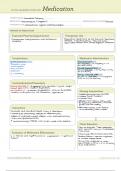
A. Complete (HANDWRITTEN) ATI medication active learning templates (with generic
and trade names) on each of the following drug classes:
o atenolol (Tenormin)
class: beta-blocker, anti-anginal, anti-hypertensive
indications: HTN, angina, MI prevention
Obtain apical pulse prior to administration; if <50 withhold medication
Weigh risk/benefit in OB patient, especially in 2nd/3rd trimesters; crosses
placenta; may cause fetal/neonatal bradycardia, hypotension, hypoglycemia,
respiratory depression.
o clindamycin (Cleocin)
class: lincosamide, antibiotic, anti-infective
indications: gynecologic infections, PID, bacterial vaginosis
Approved for vaginal use in 3rd trimester; benzyl alcohol in injection can
cross placenta and may cause neonatal “gasping syndrome”.
o butorphanol (Stadol) (REMS drug; High Alert Medication)
class: opioid analgesic, opioid agonist/antagonist, Schedule IV controlled
substance
indications: moderate-severe pain, analgesia during labor, sedation before
surgery
Indicated for obstetric analgesia, otherwise weigh risk/benefit; may cause
respiratory depression in newborn.
o oxytocin (Pitocin) (High Alert Medication)
class: hormones, oxytocics
indications: induction of labor at term, postpartum bleeding control after
placental expulsion
Should be used cautiously during 1st and 2nd stages of labor; slow infusion
>24 hr can cause water intoxication due to its antidiuretic effects.
B. Review the following lab values: Be able to briefly describe what each value indicates:
o WBC (white blood cells)
Normal value: 5,000 - 10,000
Test indication: evaluate bacterial/viral infections, assists in diagnosis of
immune/inflammatory diseases
WBC counts may be modestly elevated due to increased neutrophils into the
third trimester and during labor, returning to normal within a week
postpartum
A. Complete (HANDWRITTEN) ATI medication active learning templates (with generic
and trade names) on each of the following drug classes:
o atenolol (Tenormin)
class: beta-blocker, anti-anginal, anti-hypertensive
indications: HTN, angina, MI prevention
Obtain apical pulse prior to administration; if <50 withhold medication
Weigh risk/benefit in OB patient, especially in 2nd/3rd trimesters; crosses
placenta; may cause fetal/neonatal bradycardia, hypotension, hypoglycemia,
respiratory depression.
o clindamycin (Cleocin)
class: lincosamide, antibiotic, anti-infective
indications: gynecologic infections, PID, bacterial vaginosis
Approved for vaginal use in 3rd trimester; benzyl alcohol in injection can
cross placenta and may cause neonatal “gasping syndrome”.
o butorphanol (Stadol) (REMS drug; High Alert Medication)
class: opioid analgesic, opioid agonist/antagonist, Schedule IV controlled
substance
indications: moderate-severe pain, analgesia during labor, sedation before
surgery
Indicated for obstetric analgesia, otherwise weigh risk/benefit; may cause
respiratory depression in newborn.
o oxytocin (Pitocin) (High Alert Medication)
class: hormones, oxytocics
indications: induction of labor at term, postpartum bleeding control after
placental expulsion
Should be used cautiously during 1st and 2nd stages of labor; slow infusion
>24 hr can cause water intoxication due to its antidiuretic effects.
B. Review the following lab values: Be able to briefly describe what each value indicates:
o WBC (white blood cells)
Normal value: 5,000 - 10,000
Test indication: evaluate bacterial/viral infections, assists in diagnosis of
immune/inflammatory diseases
WBC counts may be modestly elevated due to increased neutrophils into the
third trimester and during labor, returning to normal within a week
postpartum