ABG Study
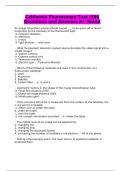
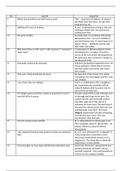
A patient who has required prolonged mechanical ventilation has the following arterial blood gas results: pH 7.48, PaO2 85 mm Hg, PaCO2 32 mm Hg, and HCO3 25 mEq/L. The nurse interprets these results as a. metabolic acidosis. b. metabolic alkalosis. c. respiratory acidosis. d. respiratory alkalosis. The pH indicates that the patient has alkalosis and the low PaCO2 indicates a respiratory cause. The other responses are incorrect based on the pH and the normal HCO3. A patient has the following arterial blood gas (ABG) results: pH 7.32, PaO2 88 mm Hg, PaCO2 37 mm Hg, and HCO3 16 mEq/L. The nurse interprets these results as a. metabolic acidosis. b. metabolic alkalosis. c. respiratory acidosis. d. respiratory alkalosis. The pH and HCO3 indicate that the patient has a metabolic acidosis. The ABGs are inconsistent with the other responses. A 2-year-old child was brought into the emergency department after ingesting several morphine tablets from a bottle in his mother's purse. The nurse knows that the child is at greatest risk for which acid-base imbalance? a) Respiratory acidosis b) Respiratory alkalosis c) Metabolic acidosis d) Metabolic alkalosis
Escuela, estudio y materia
- Institución
- ABG Study
- Grado
- ABG Study
Información del documento
- Subido en
- 23 de septiembre de 2023
- Número de páginas
- 15
- Escrito en
- 2023/2024
- Tipo
- Examen
- Contiene
- Preguntas y respuestas
Temas
-
abg study