MR BLEANEY - LARKIN
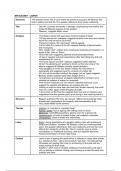
Summary The speaker moves into a room where the previous occupant, Mr Bleaney, had
lived a solitary and dull life. The speaker reflects on their similar mediocrity.
Title - Title ‘Mr’ connotes anonymity; a stranger, emphasising how familiar and
similar Mr Bleaney appears to the speaker.
- ‘Bleaney’, suggests bleak, mean.
Analysis - ‘The Bodies’ paired with past tense invites thoughts of death.
- ‘Till they moved him’ ambiguity, suggests he died in the room and nobody
found him until he had to be moved.
- ‘Flowered curtains, thin and frayed’ reflects ageing.
- ‘Fall to within five inches of the sill’ suggests feelings of disconnection
and incongruity.
- ‘Bed, upright chair’’ solitary items emphasise loneliness and isolation: no
sense of life. Links to ‘Room’.
- ‘Sixty-watt bulb’ suggesting spiritual and physical gloominess.
- ‘I’ll take it’ speaker subverts expectations after describing how dull and
unappealing the room is.
- ‘The same saucer-souvenir’ sibilance suggests hushed stillness.
- ‘Drown the jabbering set’ wanting to drown out the only noise in the
silence suggests Mr Bleaney actually desired isolation.
- ‘Kept plugging on at the four aways’ betting: the only sense of
spontaneity and suggests hope for a chance of a better life.
- ‘Put him up for summer holidays’ the phrase ‘put up’ again suggests
Bleaney wanted solitude rather than escape from it.
- ‘And grinned, and shivered’ ambiguity reflecting the confusion as to
whether his isolation is wanted or unwanted.
- ‘How we live measures our own nature’ collective pronouns could
suggest the speaker and Bleaney are merging into one.
- ‘Having no more to show than one hired box’ double meaning: the small
room or a coffin, again invites thoughts of death.
- ‘I don’t know’ as the final line suggests their lives are so mediocre and
insignificant that the speaker gives up on trying to find meaning out of it.
Structure - Regular quatrains (four lines per stanza): reflects dull mundanity of life.
- Enjambment: emphasises the longevity and inescapability of life.
- Very subtle ABAB rhyme scheme.
Themes - Isolation: is it wanted or unwanted here?
- Ageing / Death: fear of ageing with nothing much to show.
- Mediocrity: self-fulfilling prophecy, gloomy room for a gloomy life.
- Hopelessness: no hints of a better future, just endlessly miserable.
- Unhappiness: sense of dread and melancholy.
Links - Room: strong descriptions of a squalid, solitary room with a feeling of
misery and isolation. However ‘Mr Bleaney’ could be a more personal
poem, the speaker reflecting on their own mediocrity and how this room
reflects the mediocrity of their life. ‘Room’ could be more a social
commentary on Thatcherite economy, with anti-capitalist elements,
honest presentations of lower-class living.
Context - Larkin’s fear of ageing and death which is reflected in many other poems,
e.g. ‘Dockery & Son’: ‘Life is first boredom, then fear’. He believed that
old people are wasting their time by reminiscing on the past and are
simply waiting for their death.
- Isolation: Larkin lived an isolated childhood, homeschooled until age 8
with no friends or relatives visiting, and choosing a private life away from
publicity and fame.
Summary The speaker moves into a room where the previous occupant, Mr Bleaney, had
lived a solitary and dull life. The speaker reflects on their similar mediocrity.
Title - Title ‘Mr’ connotes anonymity; a stranger, emphasising how familiar and
similar Mr Bleaney appears to the speaker.
- ‘Bleaney’, suggests bleak, mean.
Analysis - ‘The Bodies’ paired with past tense invites thoughts of death.
- ‘Till they moved him’ ambiguity, suggests he died in the room and nobody
found him until he had to be moved.
- ‘Flowered curtains, thin and frayed’ reflects ageing.
- ‘Fall to within five inches of the sill’ suggests feelings of disconnection
and incongruity.
- ‘Bed, upright chair’’ solitary items emphasise loneliness and isolation: no
sense of life. Links to ‘Room’.
- ‘Sixty-watt bulb’ suggesting spiritual and physical gloominess.
- ‘I’ll take it’ speaker subverts expectations after describing how dull and
unappealing the room is.
- ‘The same saucer-souvenir’ sibilance suggests hushed stillness.
- ‘Drown the jabbering set’ wanting to drown out the only noise in the
silence suggests Mr Bleaney actually desired isolation.
- ‘Kept plugging on at the four aways’ betting: the only sense of
spontaneity and suggests hope for a chance of a better life.
- ‘Put him up for summer holidays’ the phrase ‘put up’ again suggests
Bleaney wanted solitude rather than escape from it.
- ‘And grinned, and shivered’ ambiguity reflecting the confusion as to
whether his isolation is wanted or unwanted.
- ‘How we live measures our own nature’ collective pronouns could
suggest the speaker and Bleaney are merging into one.
- ‘Having no more to show than one hired box’ double meaning: the small
room or a coffin, again invites thoughts of death.
- ‘I don’t know’ as the final line suggests their lives are so mediocre and
insignificant that the speaker gives up on trying to find meaning out of it.
Structure - Regular quatrains (four lines per stanza): reflects dull mundanity of life.
- Enjambment: emphasises the longevity and inescapability of life.
- Very subtle ABAB rhyme scheme.
Themes - Isolation: is it wanted or unwanted here?
- Ageing / Death: fear of ageing with nothing much to show.
- Mediocrity: self-fulfilling prophecy, gloomy room for a gloomy life.
- Hopelessness: no hints of a better future, just endlessly miserable.
- Unhappiness: sense of dread and melancholy.
Links - Room: strong descriptions of a squalid, solitary room with a feeling of
misery and isolation. However ‘Mr Bleaney’ could be a more personal
poem, the speaker reflecting on their own mediocrity and how this room
reflects the mediocrity of their life. ‘Room’ could be more a social
commentary on Thatcherite economy, with anti-capitalist elements,
honest presentations of lower-class living.
Context - Larkin’s fear of ageing and death which is reflected in many other poems,
e.g. ‘Dockery & Son’: ‘Life is first boredom, then fear’. He believed that
old people are wasting their time by reminiscing on the past and are
simply waiting for their death.
- Isolation: Larkin lived an isolated childhood, homeschooled until age 8
with no friends or relatives visiting, and choosing a private life away from
publicity and fame.