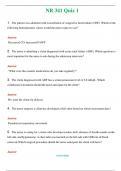
quiz 14 cardiac disorders The cardiovascular system carries oxygenated blood and nutrients to the cells and transports carbon dioxide (CO2) and waste from the cells. Heart The heart rests on the diaphragm, it is the size of a person's fist and weighs 10 to 14 oz in an adult and is covered by pericardial membranes called the visceral and parietal pericardium . Chambers When the RV contracts (systole) , blood is ejected through the pulmonic valve into the pulmonary artery. Pulmonary veins carry the blood from the lungs to the left atrium (LA). The LV (the chamber with the thickest, strongest muscle) is cone shaped and contains the apex of the heart. When the LV contracts (systole) , blood is ejected through the aortic valve into the aorta and the systemic circulation. The systemic circulation carries O2 and nutrients to all active cells and transports wastes to the kidneys, live r, and skin for excretion The pressures in the RA and RV are very low compared to LA and LV. This is because the LV pumps blood out into the systemic circulation. The pressure in the LV is the highest of all the chambers. Cardiac Layers (1) endocardium (2) myocardium, (made of muscle fibers and is responsible for the pumping action of the heart (3) epicardium (coronary arteries are embedded in the epicardium) . Valves Heart has 4 valves: 1-mitral 2-tricuspid 3-aortic 4-pulmonic. opens when the pressure behind it is greater than the pressure that is ahead. closes when the pressure ahead of it is greater than the pressure that is behind. Atrioventricular Valves Mitral and tricuspid valves are called atrioventricular valves , they are closed during systole and open during diastole. Semilunar Valves aortic and pulmonic, separate the ventricles from the aorta and the pulmonary artery. These valves are open during the systole and close during diastole. Heart Sounds Closure of the valves produces the heart sounds. (s1) lub : ventricles contract during systole and when the mitral and tricuspid valves close. (s2) dub: ventricular relaxation or diastole and is caused by the closing of the aortic and pulmonic valves. Coronary Blood Flow supply blood to the myocardium and the conductive tissue of the heart . right coronary artery branches supply the sinoatrial (SA) and the atrioventricular (AV) nodes, the RA and RV, and the inferior part of the LV. left coronary artery branches into the left anterior descending and circumflex arteries, supplies blood to the LA, most of the LV, and most of the septum between the two ventricles (interventricular septum). Conduction System (595) The SA node, also called the pacemaker, initiates the impulse. The impulse is carried throughout the atria to the AV node, located on the floor of the right atrium. When the impulse reaches the Purkinje fibers, the ventricles contract , The SA node normally generates these impulses at a rate between 60 and 100 beats per minute. Cardiac Innervation Sympathetic and parasympathetic fibers of the autonomic nervous system innervate the heart. Sympathetic stimulation results in increased heart rate and more forceful contractions. Parasympathetic stimulation results in slowing of the heart rate and decreased strength of contraction. Cardiac Function to pump blood through the pulmonary and systemic circulations, By contraction and relaxation. Cardiac Cycle Contraction and relaxation of the heart make up one heartbeat and are called the cardiac cycle. When the ventricles are at rest, they fill up with blood. This is called diastole. Ventricles contract and eject blood into the pulmonary artery from the RV and into the aorta from the LV. This is called systole. Cardiac Output Stroke volume (SV) x (HR) heart rate =(CO) cardiac output The normal stroke volume is 60 to 100 mL, And the normal cardiac output is 4 to 8 L/min . Cardiac output responds to the increase with exercise, infection, or stress. Three factors affect stroke volume : (1) preload, (2) contractility, and (3) afterload. Preload the amount of blood remaining in a ventricle at the end of diastole . Increased preload results in increased stroke volume and increased cardiac output. increased venous return to the heart and overhydration increase preload . dehydration, hemorrhage, and venous vasodilation decrease preload.
Examen
MS1 CARDIAC DISORDER SUMMARY WITH QUIZ FOCUS REVIEW
MS1 CARDIAC DISORDER SUMMARY WITH QUIZ FOCUS REVIEW , ALL THE BULLET POINTS,
Institución
Grado
Ups! No podemos cargar tu documento ahora. Inténtalo de nuevo o contacta con soporte.
Escuela, estudio y materia
- Institución
- Unitek
- Grado
- VN 201
Todos documentos para esta materia (18)
Información del documento
- Subido en
- 30 de agosto de 2023
- Número de páginas
- 10
- Escrito en
- 2023/2024
- Tipo
- Examen
- Contiene
- Preguntas y respuestas
Temas
-
vn201
-
ms1
-
quiz 14
-
cardiac
-
disorders
-
quiz answer and questions
Vista previa del contenido
$7.99
Accede al documento completo:
100% de satisfacción garantizada
Inmediatamente disponible después del pago
Tanto en línea como en PDF
No estas atado a nada

Documento también disponible en un lote
Package deal
vn200 quizes, focus review with answers and notes with summaries
1
9
2023
$ 61.51
Más información