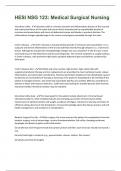
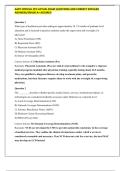
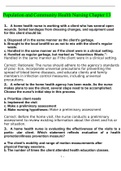
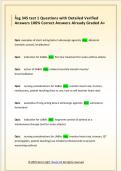
HESI NSG 123: Medical Surgical Nursing Exam | 93 Questions and Answers(A+ Solution gu
Ulcerative Colitis - Ulcerative colitis is a chronic ulcerative and inflammatory disease of the mucosal and submucosal layers of the colon and rectum that is characterized by unpredictable periods of remission and exacerbation with bouts of abdominal cramps and bloody or purulent diarrhea. The inflammatory changes typically begin in the rectum and progress proximally through the colon Crohn's Disease - Crohn's disease is characterized by periods of remission and exacerbation. It is a subacute and chronic inflammation of the GI tract wall that extends through all layers (i.e., transmural lesion). Although its characteristic histopathologic changes can occur anywhere in the GI tract, it most commonly occurs in the distal ileum and the ascending colon. The onset of symptoms is usually insidious in Crohn's disease, with prominent right lower quadrant abdominal pain and diarrhea unrelieved by defecation Crohn's Disease Diet - Oral fluids and a low-residue, high-protein, high-calorie diet with supplemental vitamin therapy and iron replacement are prescribed to meet nutritional needs, reduce inflammation, and control pain and diarrhea. Fluid and electrolyte imbalances from dehydration caused by diarrhea are corrected by IV therapy as necessary if the patient is hospitalized or by oral fluids if the patient is managed at home. Any foods that exacerbate diarrhea are avoided. Milk may contribute to diarrhea in those with lactose intolerance. Cold foods and smoking are avoided because both increase intestinal motility. Parenteral nutrition may be indicated. Ulcerative Colitis-Goal - The major goals for the patient include attainment of normal bowel elimination patterns, relief of abdominal pain and cramping, prevention of fluid volume deficit, maintenance of optimal nutrition and weight, avoidance of fatigue, reduction of anxiety, promotion of effective coping, absence of skin breakdown, increased knowledge about the disease process and selfhealth management, and avoidance of complications. Bariatric Surgery Post Op - After surgery, the nurse assesses the patient for complications from the bariatric surgery, such as hemorrhage, venous thromboembolism, bile reflux, dumping syndrome, dysphagia, and bowel or gastric outlet obstruction. Eat smaller but more frequent meals that contain protein and fiber; each meal size should not exceed 1 cup. Eat only foods high in nutrients (e.g., peanut butter, cheese, chicken, fish, beans). Eat slowly and chew thoroughlyAssume a low Fowler position during mealtime and then remain in that position for 20-30 minutes after mealtime—this delays stomach emptying and decreases the likelihood of dumping syndrome. Do not drink fluid with meals; instead, consume fluids up to 30 minutes before a meal and 30-60 minutes after mealtime. Cholelithiasis- Jaundice - Jaundice occurs in a few patients with gallbladder disease, usually with obstruction of the common bile duct. The bile, which is no longer carried to the duodenum, is absorbed by the blood and gives the skin and mucous membranes a yellow color. This is frequently accompanied by marked pruritus (itching) of the skin.
Escuela, estudio y materia
- Institución
- HESI NSG 123: Medical Surgical Nursing
- Grado
- HESI NSG 123: Medical Surgical Nursing
Información del documento
- Subido en
- 25 de agosto de 2023
- Número de páginas
- 19
- Escrito en
- 2023/2024
- Tipo
- Examen
- Contiene
- Preguntas y respuestas
Temas
-
hesi nsg 123 medical surgical nursing

Documento también disponible en un lote