NCLEX Medical-Surgical Drugs - Questions and Answers
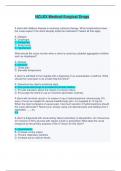
NCLEX Medical-Surgical Drugs - Questions and Answers A client with Addison disease is receiving cortisone therapy. What complications does the nurse expect if the client abruptly stops the medication? Select all that apply. A. Diplopia B. Dysphagia C. Tachypnea D. Bradycardia E. Hypotension What should the nurse monitor when a client is receiving a platelet aggregation inhibitor such as clopidogrel? A. Nausea B. Epistaxis C. Chest pain D. Elevated temperature A client is admitted to the hospital with a diagnosis of an exacerbation of asthma. What should the nurse plan to do to best help this client? A. Determine the client's emotional state. B. Give prescribed drugs to promote bronchiolar dilation. C. Provide education about the impact of a family history. D. Encourage the client to use an incentive spirometer routinely. A client with terminal cancer is to receive 4 mg of hydromorphone intravenously (IV) every 4 hours as needed for severe breakthrough pain. It is supplied at 10 mg/mL. When the client complains of severe pain, how much solution of hydromorphone should the nurse administer? Record your answer using one decimal place and leading zero if applicable. ___ mL 0.4 A client is diagnosed with acute kidney failure secondary to dehydration. An intravenous (IV) infusion of 50% glucose with regular insulin is prescribed. What does the nurse recognize as the primary purpose of the IV insulin for this client? A. Hyperkalemia B. Increase urinary output C. Prevent respiratory acidosis D. Increase serum calcium levels A client has increased intracranial pressure resulting from a traumatic brain injury. Assessment findings indicate that the client is unconscious with vital signs of pulse 60 beats/min, respirations 16 breaths/min, and blood pressure 142/64 mm Hg. The nurse reviews the treatment plan and questions which prescription? A. Mannitol B. Dexamethasone C. Chlorpromazine D. Morphine An intravenous piggyback (IVPB) of cefazolin 500 mg in 50 mL of 5% dextrose in water is to be administered over a 20-minute period. The tubing has a drop factor of 15 drops/mL. At what rate per minute should the nurse regulate the infusion to run? Record your answer using a whole number. Do not include units in your answer. ______ gtt/min 38 A client is scheduled to begin chemotherapy 2 weeks after surgery for colon cancer. What explanation does the nurse give to explain the delay following surgery? A. Chemotherapy interferes with cell growth and delays wound healing. B. Because chemotherapy causes vomiting, it endangers the integrity of the incisional area. C. Chemotherapy decreases red blood cell production, and the resultant anemia will add to postoperative fatigue. D. Chemotherapy increases edema in areas distal to the incision by blocking lymph channels with destroyed lymphocytes. The nurse is caring for a client with type 1 diabetes. For which signs or symptoms of insulin-induced hypoglycemia should the nurse particularly be observant? Select all that apply. A. Excessive hunger B. Headache C. Diaphoresis D. Excessive thirst E. Deep respirations A client is admitted to the emergency department in the midst of persistent tonic-clonic seizures (status epilepticus). Diazepam is to be administered immediately. In addition to decreasing central neuronal activity, what other effect does the nurse anticipate? A. Relaxing peripheral muscles B. Slowing cardiac contractions C. Dilating tracheobronchial structures D. Providing amnesia of the convulsive episode
Escuela, estudio y materia
- Institución
- NCLEX Medical-Surgical
- Grado
- NCLEX Medical-Surgical
Información del documento
- Subido en
- 28 de julio de 2023
- Número de páginas
- 12
- Escrito en
- 2022/2023
- Tipo
- Examen
- Contiene
- Preguntas y respuestas
Temas
-
nclex medical surgical
-
medical surgical drugs
-
nclex medical surgical drugs

Documento también disponible en un lote