COLONIAL POLICY
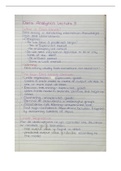
1857-1890:
Colonial Office established by Willaim Pitt (Younger) in 1801, initially combined with War Office, functioned
separately from 1854, divided into 5 departments based on area
Headed by Cabinet Minister ‘Secretary of State for the Colonies’
Some protectorates under control of Foreign Office and Foreign Secretary
From 1858, separate India Office
India’s Administration and Defence:
Administration:
Originally under EIC, after Robert Clive defeated French in Battle of Plassey it was set to rule until 1858,
became increasingly expansionist causing mutiny
1857 Mutiny – lasted a year, thousands killed, British troops had to be dispatched to assist EIC
1858 – EIC control handed to British government, company dissolved
Government of India Act 1858 – EIC territory passed to the Queen, Secretary of State for India position
created, council of 15 members appointed to assist, Viceroy appointed, Indian Civil Service under control of
Secretary
1877 – Queen Victoria made Empress of India
Viceroy had legislative Council with a member for finance, law, army, economy and home affairs
In provinces, provincial governors ran day-to-day matters
British civil servants made up Indian Civil Service – positions available to all but costly to sit examination
exams in England
Native rulers in charge of 565 Princely states, ‘doctrine of lapse’ meant these fell under British rule when the
line of succession for a Prince ended, removed in 1858
Some bilingual Indians were recruited as low level clerks to collect tax and maintain law etc
Legal system – mix of EIC courts and Crown Courts with English law prevailing – after mutiny greater respect
to cultural laws
Missionaries discouraged after munity, gov accepted role to promote education and develop railway
Indian National Congress formed in 1885
Defence:
When mutiny broke out British Indian Army only had 40,000 British troops, after mutiny proportion of British
troops to Indian troops brought to 1:2, army of 70,000 Britons and 125,000 native troops by 1880s
Native Indian troops cut off from one another to prevent unity, mixed by caste and religion, Bengali troops
who had not been loyal largely replaced by Sikhs and Gurkhas, no Indians allowed in officer ranks or to use
heavy artillery
3000 miles of railway added after Mutiny exaggerating British presence and allowing quicker movement of
troops
Viceroy Canning set up Imperial Police Force
Policy for the Scramble for Africa:
Germany unified in 1871 becoming new European powerhouse with raw materials and merchant ships
France defeated by Germany in 1871 but transformed army after
Russia extended control in Asia, by 1884 had Empire bordering Afghanistan
Naval power grew in France and Russia
British annexed Malaya (1874), Sarawak (1881), Brunei (1885) and Upper Burma (1885) to leave Thailand as
a buffer zone between European nations seeking expansion in SE Asia
Great Depression saw shift in focus to Africa for raw materials
Brussels Conference 1876
- King Leopold of Belgium held conference for explorers, wanted to protect Belgium interest in the Congo
, - International African Association established to cooperate, hired Henry Morton Stanely to advise on
Congo, became apparent Leopold wanted a Congo Empire
- Grew competition, countries hired other advisors and expanded territories
Berlin Conference 1884-1886
- German Chancellor, Otto Van Bismarck, hosted 14 European nations and USA, no African representatives
- Agreed open basins and mouths of rivers Congo and Niger ]
- General Act agreed ‘spheres of influence’, free trade in Congo region, spreading Christianity and
commerce, supress slave trade, notify other European nations of expansions
- Effective occupation – countries could colonise as long as there were no rival claims
- By 1900 – 90% of Africa occupied by European nations
Informal Empire Policy:
Places influenced by Britain (from trade, settlement, ships, investment), without being Crown colonies or
protectorates
Latin America - £80 million public capital invested by 1865, Argentina, Chile, Buenos Aires – British
settlement of elites, pressure on Mexico 1861 to keep open access and free trade, Royal Navy pressured
Peru (1857) and Chile (1863)
Influence in Siam (Thailand) and Iran
Chinese empire made to make concessions of ports in Hong Kong and Shanghai and not disrupt Opium trade
between China and India
1879 – Britain gained control over Afghanistan’s foreign policy
1890-1914:
Administration of India:
British officials had unrestrained power until slight provincial government introduced in 1909
Viceroy, backed by Indian Civil Service – small, unrepresentative, White
Extension of railways, spread of education – more taxes needed
‘divide and rule’ – played on Indian caste, language , region divides, asserted British moral authority to rule
1892 and 1909 – limited educated Indian representatives in provincial councils
Viceroy Curzon:
- Wanted reforms to tackle growing middle class Indian opposition from Indian National Congress who
challenge trade arrangements, restrictions on industry and heavy taxation
- Pressure also from ‘servants of India’ from untouchables caste
- Founded Imperial Cadet Corps in 1901 – gave native princes and elite figures military training and officer
commissions
- Reformed universities, police and lowered taxation
- Gold standard adopted
- Failed partition of Bengal 1905 – October divided Muslim East Bengal and Hindu West Bengal, uproar
from Hindu elites who owned and leased land in East Begal to Muslim peasants, Banerjee president of
Indian National Congress led protests, boycotts and strikes
- Muslim Elite formed All India Muslim League in 1906 – had supported partition and favoured British rule,
but from 1913 took stance of self-government for India
- Bengal reunited in 1911
Viceroy Minto:
- Worked with Morley 1909 reforms to try to appease Bengalis
- Indian Councils Act – 27 Indians elected to Viceroy’s council
- From 1910 in elections for enlarged provincial councils, 135 Indians secured seats
Viceroy Hardinge:
- Used visit of King-Emperor George V to reunite Begal 1911
- Moved capital from Calcutta to Delhi (Muslim stronghold) to undermine Hindu nationalists
- Delhi durbar – pageantry and power to grow British loyalty
1857-1890:
Colonial Office established by Willaim Pitt (Younger) in 1801, initially combined with War Office, functioned
separately from 1854, divided into 5 departments based on area
Headed by Cabinet Minister ‘Secretary of State for the Colonies’
Some protectorates under control of Foreign Office and Foreign Secretary
From 1858, separate India Office
India’s Administration and Defence:
Administration:
Originally under EIC, after Robert Clive defeated French in Battle of Plassey it was set to rule until 1858,
became increasingly expansionist causing mutiny
1857 Mutiny – lasted a year, thousands killed, British troops had to be dispatched to assist EIC
1858 – EIC control handed to British government, company dissolved
Government of India Act 1858 – EIC territory passed to the Queen, Secretary of State for India position
created, council of 15 members appointed to assist, Viceroy appointed, Indian Civil Service under control of
Secretary
1877 – Queen Victoria made Empress of India
Viceroy had legislative Council with a member for finance, law, army, economy and home affairs
In provinces, provincial governors ran day-to-day matters
British civil servants made up Indian Civil Service – positions available to all but costly to sit examination
exams in England
Native rulers in charge of 565 Princely states, ‘doctrine of lapse’ meant these fell under British rule when the
line of succession for a Prince ended, removed in 1858
Some bilingual Indians were recruited as low level clerks to collect tax and maintain law etc
Legal system – mix of EIC courts and Crown Courts with English law prevailing – after mutiny greater respect
to cultural laws
Missionaries discouraged after munity, gov accepted role to promote education and develop railway
Indian National Congress formed in 1885
Defence:
When mutiny broke out British Indian Army only had 40,000 British troops, after mutiny proportion of British
troops to Indian troops brought to 1:2, army of 70,000 Britons and 125,000 native troops by 1880s
Native Indian troops cut off from one another to prevent unity, mixed by caste and religion, Bengali troops
who had not been loyal largely replaced by Sikhs and Gurkhas, no Indians allowed in officer ranks or to use
heavy artillery
3000 miles of railway added after Mutiny exaggerating British presence and allowing quicker movement of
troops
Viceroy Canning set up Imperial Police Force
Policy for the Scramble for Africa:
Germany unified in 1871 becoming new European powerhouse with raw materials and merchant ships
France defeated by Germany in 1871 but transformed army after
Russia extended control in Asia, by 1884 had Empire bordering Afghanistan
Naval power grew in France and Russia
British annexed Malaya (1874), Sarawak (1881), Brunei (1885) and Upper Burma (1885) to leave Thailand as
a buffer zone between European nations seeking expansion in SE Asia
Great Depression saw shift in focus to Africa for raw materials
Brussels Conference 1876
- King Leopold of Belgium held conference for explorers, wanted to protect Belgium interest in the Congo
, - International African Association established to cooperate, hired Henry Morton Stanely to advise on
Congo, became apparent Leopold wanted a Congo Empire
- Grew competition, countries hired other advisors and expanded territories
Berlin Conference 1884-1886
- German Chancellor, Otto Van Bismarck, hosted 14 European nations and USA, no African representatives
- Agreed open basins and mouths of rivers Congo and Niger ]
- General Act agreed ‘spheres of influence’, free trade in Congo region, spreading Christianity and
commerce, supress slave trade, notify other European nations of expansions
- Effective occupation – countries could colonise as long as there were no rival claims
- By 1900 – 90% of Africa occupied by European nations
Informal Empire Policy:
Places influenced by Britain (from trade, settlement, ships, investment), without being Crown colonies or
protectorates
Latin America - £80 million public capital invested by 1865, Argentina, Chile, Buenos Aires – British
settlement of elites, pressure on Mexico 1861 to keep open access and free trade, Royal Navy pressured
Peru (1857) and Chile (1863)
Influence in Siam (Thailand) and Iran
Chinese empire made to make concessions of ports in Hong Kong and Shanghai and not disrupt Opium trade
between China and India
1879 – Britain gained control over Afghanistan’s foreign policy
1890-1914:
Administration of India:
British officials had unrestrained power until slight provincial government introduced in 1909
Viceroy, backed by Indian Civil Service – small, unrepresentative, White
Extension of railways, spread of education – more taxes needed
‘divide and rule’ – played on Indian caste, language , region divides, asserted British moral authority to rule
1892 and 1909 – limited educated Indian representatives in provincial councils
Viceroy Curzon:
- Wanted reforms to tackle growing middle class Indian opposition from Indian National Congress who
challenge trade arrangements, restrictions on industry and heavy taxation
- Pressure also from ‘servants of India’ from untouchables caste
- Founded Imperial Cadet Corps in 1901 – gave native princes and elite figures military training and officer
commissions
- Reformed universities, police and lowered taxation
- Gold standard adopted
- Failed partition of Bengal 1905 – October divided Muslim East Bengal and Hindu West Bengal, uproar
from Hindu elites who owned and leased land in East Begal to Muslim peasants, Banerjee president of
Indian National Congress led protests, boycotts and strikes
- Muslim Elite formed All India Muslim League in 1906 – had supported partition and favoured British rule,
but from 1913 took stance of self-government for India
- Bengal reunited in 1911
Viceroy Minto:
- Worked with Morley 1909 reforms to try to appease Bengalis
- Indian Councils Act – 27 Indians elected to Viceroy’s council
- From 1910 in elections for enlarged provincial councils, 135 Indians secured seats
Viceroy Hardinge:
- Used visit of King-Emperor George V to reunite Begal 1911
- Moved capital from Calcutta to Delhi (Muslim stronghold) to undermine Hindu nationalists
- Delhi durbar – pageantry and power to grow British loyalty