An Inspector Calls – Characters
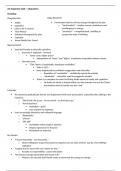
Mr Birling
Characteristics Stage Directions
Selfish Foreshadow that he will not change throughout the play
Impatient o “hard-headed” – Implies narrow-mindedness and
Likes to be in control unwillingness to change
‘New Money’ o “provincial” – unsophisticated, unwilling to
Stubborn throughout the play accept new ways of thinking
Capitalist
Seven Deadly Sins: Greed
Representation
Used by Priestley to discredit capitalism
o Everyone is exploited – immoral
“lower costs, higher prices”
Juxtaposition of “lower” and “higher” emphasises inequality between classes
o Dramatic Irony
“[The Titanic is] unsinkable, absolutely unsinkable.”
Sinks in 1912
Irony heightened by confident exaggeration and intensifier
o Repetition of “unsinkable” – confidently repeats his mistake
o “absolutely” – intensifier used to exaggerate mistake
Titanic is a metaphor for what Mr Birling thinks about his family and capitalism.
o He thinks his family is indestructible, but the dramatic irony of the Titanic
foreshadows that his family may also ‘sink’.
Language
His sentences gradually get shorter and fragmented with more punctuation, especially when talking to the
Inspector.
o “She’d had a lot to say – far too much – so she had to go.”
o “horrid business”
Hesitation – guilt?
Loss of power to Inspector
Uses increasingly dismissive and colloquial language
o “fiddlesticks”
o “y’know”
o “silly talk”
He belittles other people’s opinions
Displays ignorance for the poor
Breakdown of authority
Key Quotes
“I’d give thousands – yes thousands…”
o Shows willingness to give thousands to Inspector but not raise workers’ pay by a few shillings –
capitalism
“(angrily to Eric) You’re the one I blame for this.”
o Accepts no responsibility – passes the blame
“the famous younger generation who know it all.”
o Meant to be sarcastic but Priestly wants to show that the young can change
, Mrs Birling
Characteristics Stage Directions
‘Old Money’ Symbolises and foreshadow her attitude towards the working class
Cold-hearted o “cold”
Selfish Position in society is made clear
Egoistical o “her husband’s social superior”
Ignorant to lower classes o Later refuses to give Eva help through charity
Stubborn throughout the play o Highlights growing gap caused by capitalism
Seven Deadly Sins: Pride
Representation
Narrow-mindedness of Upper Class
o Most class-conscious character
“Arthur, you’re not supposed to say such things-“
o Deserving and undeserving poor
“We’ve done a great deal of useful work in helping deserving cases.”
“deserving” – those who seem respectable and know how to treat the upper class
Do not realise that they have contributed to the “undeserving” people’s conditions
Eva wasn’t deserving enough.
Was an old-fashioned idea even for the 1940s’ audience.
Makes the Birling family seem unreasonable, therefore their views about capitalism
are also unreasonable.
Upper class women
o Sheltered – in a private sphere
“We are learning something tonight” (Old Meggarty)
o Women need to be oblivious to their surroundings
“You’ll have to get used to that, just as I had.” (men going away)
Key Quotes
“Girls of that class”
o Dehumanisation of Eva and all girls of the working class
o Generalisation that all working class girl will commit suicide
o Lack of understanding
o Apathy displayed – links back to “cold”
o “that” reiterates disdain and detachment
o She feels morally and socially superior – Priestley message that capitalism encourages moral
corruption?
“She was claiming elaborate fine feelings and scruples that were simply absurd in a girl in her position.”
o Dehumanisation of Eva and all girls of the working class – they should not have feelings?
“perfectly justified”
o “perfectly” heightens ignorance
o Unable to understand the consequences of her actions – Lack of conscience (Effect of capitalism?)
“First she called herself Mrs Birling” – “prejudiced”
o Full of pride (egoistical)
o Her pride made her “prejudiced”
“I accept no blame for it at all.”
Mr Birling
Characteristics Stage Directions
Selfish Foreshadow that he will not change throughout the play
Impatient o “hard-headed” – Implies narrow-mindedness and
Likes to be in control unwillingness to change
‘New Money’ o “provincial” – unsophisticated, unwilling to
Stubborn throughout the play accept new ways of thinking
Capitalist
Seven Deadly Sins: Greed
Representation
Used by Priestley to discredit capitalism
o Everyone is exploited – immoral
“lower costs, higher prices”
Juxtaposition of “lower” and “higher” emphasises inequality between classes
o Dramatic Irony
“[The Titanic is] unsinkable, absolutely unsinkable.”
Sinks in 1912
Irony heightened by confident exaggeration and intensifier
o Repetition of “unsinkable” – confidently repeats his mistake
o “absolutely” – intensifier used to exaggerate mistake
Titanic is a metaphor for what Mr Birling thinks about his family and capitalism.
o He thinks his family is indestructible, but the dramatic irony of the Titanic
foreshadows that his family may also ‘sink’.
Language
His sentences gradually get shorter and fragmented with more punctuation, especially when talking to the
Inspector.
o “She’d had a lot to say – far too much – so she had to go.”
o “horrid business”
Hesitation – guilt?
Loss of power to Inspector
Uses increasingly dismissive and colloquial language
o “fiddlesticks”
o “y’know”
o “silly talk”
He belittles other people’s opinions
Displays ignorance for the poor
Breakdown of authority
Key Quotes
“I’d give thousands – yes thousands…”
o Shows willingness to give thousands to Inspector but not raise workers’ pay by a few shillings –
capitalism
“(angrily to Eric) You’re the one I blame for this.”
o Accepts no responsibility – passes the blame
“the famous younger generation who know it all.”
o Meant to be sarcastic but Priestly wants to show that the young can change
, Mrs Birling
Characteristics Stage Directions
‘Old Money’ Symbolises and foreshadow her attitude towards the working class
Cold-hearted o “cold”
Selfish Position in society is made clear
Egoistical o “her husband’s social superior”
Ignorant to lower classes o Later refuses to give Eva help through charity
Stubborn throughout the play o Highlights growing gap caused by capitalism
Seven Deadly Sins: Pride
Representation
Narrow-mindedness of Upper Class
o Most class-conscious character
“Arthur, you’re not supposed to say such things-“
o Deserving and undeserving poor
“We’ve done a great deal of useful work in helping deserving cases.”
“deserving” – those who seem respectable and know how to treat the upper class
Do not realise that they have contributed to the “undeserving” people’s conditions
Eva wasn’t deserving enough.
Was an old-fashioned idea even for the 1940s’ audience.
Makes the Birling family seem unreasonable, therefore their views about capitalism
are also unreasonable.
Upper class women
o Sheltered – in a private sphere
“We are learning something tonight” (Old Meggarty)
o Women need to be oblivious to their surroundings
“You’ll have to get used to that, just as I had.” (men going away)
Key Quotes
“Girls of that class”
o Dehumanisation of Eva and all girls of the working class
o Generalisation that all working class girl will commit suicide
o Lack of understanding
o Apathy displayed – links back to “cold”
o “that” reiterates disdain and detachment
o She feels morally and socially superior – Priestley message that capitalism encourages moral
corruption?
“She was claiming elaborate fine feelings and scruples that were simply absurd in a girl in her position.”
o Dehumanisation of Eva and all girls of the working class – they should not have feelings?
“perfectly justified”
o “perfectly” heightens ignorance
o Unable to understand the consequences of her actions – Lack of conscience (Effect of capitalism?)
“First she called herself Mrs Birling” – “prejudiced”
o Full of pride (egoistical)
o Her pride made her “prejudiced”
“I accept no blame for it at all.”