Econ final review
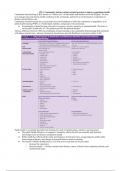
Government intervention in markets can have significant impacts on market equilibrium. Price controls, such as price ceilings and floors, can lead to shortages, reduced quality, and inefficient allocation of resources or result in unemployment and reduced job opportunities. Taxes and subsidies can influence demand and supply, but they can also distort market signals, lead to overproduction, and impose burdens on taxpayers. Regulations, such as environmental standards and antitrust laws, can improve public health and promote competition, but they may also increase costs for businesses and limit innovation. The consequences of government intervention depend on policy design, implementation, and context, with unintended consequences like black markets and regulatory capture also being important considerations. Policymakers must carefully weigh the potential trade-offs and unintended effects when deciding to intervene in markets.
Libro relacionado

- 2021
- 9781260226775
- Desconocido
Escuela, estudio y materia
- Institución
- Bowie State University
- Grado
- Econ 211 (ECON211)
Información del documento
- Subido en
- 3 de junio de 2023
- Número de páginas
- 2
- Escrito en
- 2022/2023
- Tipo
- Notas de lectura
- Profesor(es)
- Shadiya hossain
- Contiene
- Todas las clases
Temas
-
economics
-
macroeconomics