Decision making to improve human resources performance
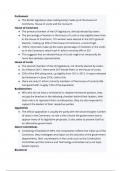
What is a HR objective?
A specific goal or target relating to the management and performance of human resources in a
business.
What is human resource management?
The design, implementation and maintenance of strategies to manage people for optimum business
performance.
The many aspects of HRM include:
- Workforce planning- about deciding how many and what type of workers are required
- Recruitment and selection- the process of identifying the need for a job, defining the
requirements of the position and the job holder and choosing the most appropriate person
for the job
- Training- when staff are taught new skills or improve their skills
- Talent development- investment in employees training staff retention ration
- Employee engagement and involvement- maximise reported levels of engagement
- Managing diversity- diversity in senior management positions and in external recruitment
- Developing corporate culture- how employees interact with people inside and outside of
the business
The value of effective HR objectives:
- Connect HR activities and decision making with overall business objectives
- Link HR with customer service and quality- two key components of competitiveness
- Help create effective working environment for a key stakeholder group- employees
Common HRM objectives:
- Match the workforce to the business needs
- Maintain good employer/ employee relations
- High employee engagement and involvement
- Operate effective talent development
- Manage diversity well
Internal influences on HR objectives:
- Corporate objectives
- Operational strategies
- Marketing objectives
- Financial objectives
External influences on HR objectives:
- Market changes
- Economic changes
- Technological changes
- Social changes
- Political and legal changes
, Hard HRM:
Treats employees simply as a resource of the business. Strong link with corporate business planning-
what resources do we need; how do we get them and how much will they cost.
Soft HRM:
Treats employees as the most important resource in the business and a source of competitive
advantage. Employees are treated as individuals and their needs are planned accordingly.
Labour turnover:
Labour turnover refers to the proportion of a business’ staff leaving their employment over a period
of time.
Labour turnover = (number leaving during year/ average number of staff) x 100
Labour retention is the number of employees staying over a given period of time.
Labour retention = (number of employees staying/ average number of staff) x 100
Problems of high staff turnover:
- Higher costs
- Increased pressure on remaining staff
- Disruption to production/ productivity
- Harder to maintain required standards of quality and customer service
Factors that affect staff turnover:
- Type of business
- Pay and other rewards
- Working conditions
- Opportunities for promotion
- Competitor actions
- Standard of recruitment
- Quality of communication in business
- Economic conditions
- Labour mobility
- Employee loyalty
Ways to improve staff turnover:
- Effective recruitment and training
- Provide competitive pay and other incentives
- Job enrichment
- Reward staff loyalty
Labour productivity:
Labour productivity is a key measure of business efficiency and measures the output per employee
over a specified time period.
Labour productivity = total output per time period/ number of employees
What is a HR objective?
A specific goal or target relating to the management and performance of human resources in a
business.
What is human resource management?
The design, implementation and maintenance of strategies to manage people for optimum business
performance.
The many aspects of HRM include:
- Workforce planning- about deciding how many and what type of workers are required
- Recruitment and selection- the process of identifying the need for a job, defining the
requirements of the position and the job holder and choosing the most appropriate person
for the job
- Training- when staff are taught new skills or improve their skills
- Talent development- investment in employees training staff retention ration
- Employee engagement and involvement- maximise reported levels of engagement
- Managing diversity- diversity in senior management positions and in external recruitment
- Developing corporate culture- how employees interact with people inside and outside of
the business
The value of effective HR objectives:
- Connect HR activities and decision making with overall business objectives
- Link HR with customer service and quality- two key components of competitiveness
- Help create effective working environment for a key stakeholder group- employees
Common HRM objectives:
- Match the workforce to the business needs
- Maintain good employer/ employee relations
- High employee engagement and involvement
- Operate effective talent development
- Manage diversity well
Internal influences on HR objectives:
- Corporate objectives
- Operational strategies
- Marketing objectives
- Financial objectives
External influences on HR objectives:
- Market changes
- Economic changes
- Technological changes
- Social changes
- Political and legal changes
, Hard HRM:
Treats employees simply as a resource of the business. Strong link with corporate business planning-
what resources do we need; how do we get them and how much will they cost.
Soft HRM:
Treats employees as the most important resource in the business and a source of competitive
advantage. Employees are treated as individuals and their needs are planned accordingly.
Labour turnover:
Labour turnover refers to the proportion of a business’ staff leaving their employment over a period
of time.
Labour turnover = (number leaving during year/ average number of staff) x 100
Labour retention is the number of employees staying over a given period of time.
Labour retention = (number of employees staying/ average number of staff) x 100
Problems of high staff turnover:
- Higher costs
- Increased pressure on remaining staff
- Disruption to production/ productivity
- Harder to maintain required standards of quality and customer service
Factors that affect staff turnover:
- Type of business
- Pay and other rewards
- Working conditions
- Opportunities for promotion
- Competitor actions
- Standard of recruitment
- Quality of communication in business
- Economic conditions
- Labour mobility
- Employee loyalty
Ways to improve staff turnover:
- Effective recruitment and training
- Provide competitive pay and other incentives
- Job enrichment
- Reward staff loyalty
Labour productivity:
Labour productivity is a key measure of business efficiency and measures the output per employee
over a specified time period.
Labour productivity = total output per time period/ number of employees